
Most people finish a day on a building site looking like they’ve been hit by a truck. Freddy Bautista finishes his looking like he’s about to walk on stage at a bodybuilding show.
Also known as: Habilidad física 100: México (Netflix in Spanish) and 100 % Physique : Mexique (Netflix in French).
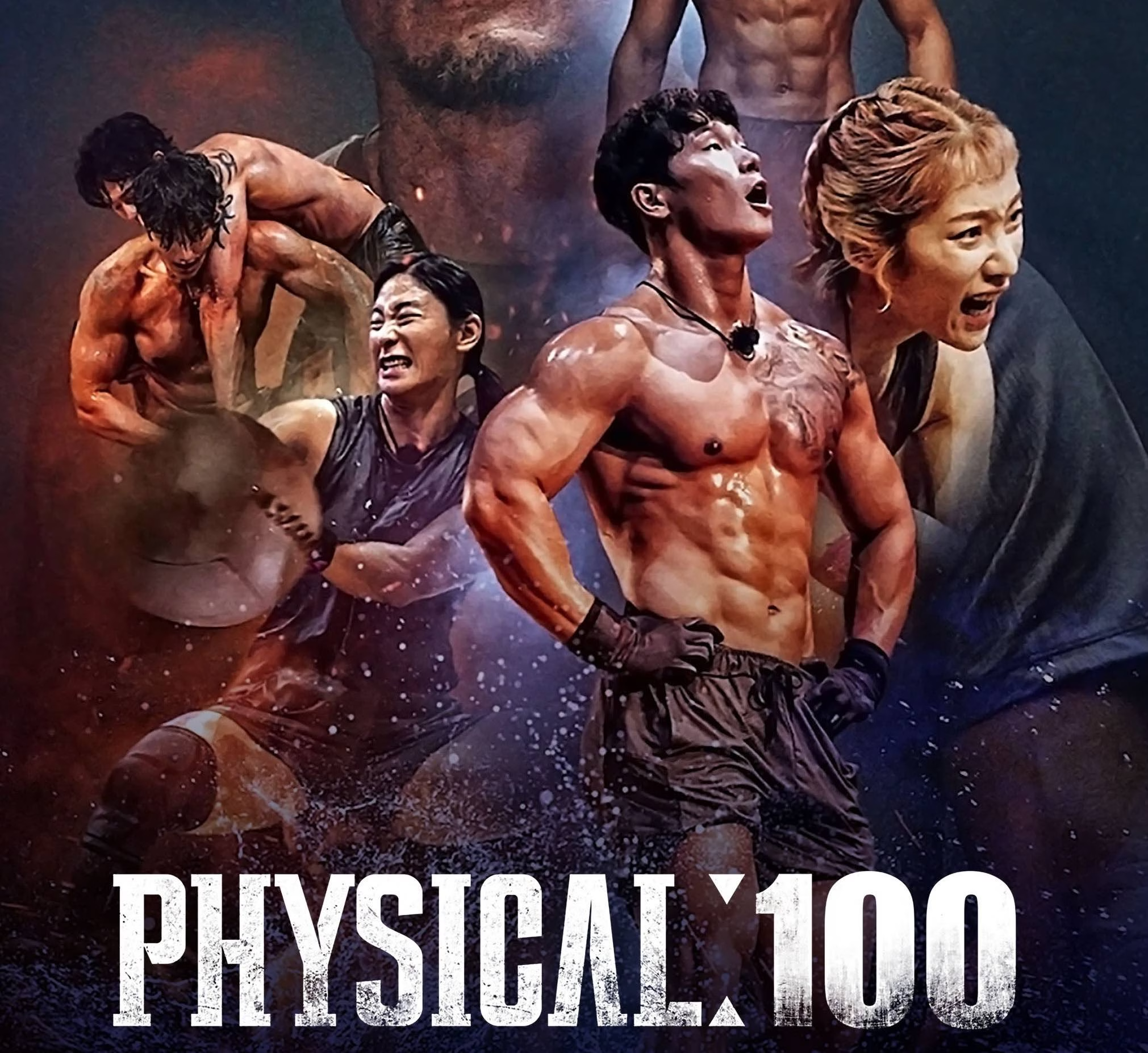
The 37-year-old construction worker from Jalpilla, a small community in the municipality of Axtla de Terrazas in San Luis Potosí, has spent years hauling cement, timber and steel for a living. Somewhere along the way, the internet started calling him El Albañil Legendario – the Legendary Bricklayer – and now Netflix has put him in front of 99 other competitors on Physical 100: Mexico, the Mexican adaptation of the Korean reality format that dropped on 16 September 2026.
For a bloke who says he’s never really trained like an athlete, that’s a significant jump.
- Real name: Freddy Bautista
- Public name: El Albañil Legendario (“the Legendary Bricklayer”)
- Age: Reported as 37 across multiple Mexican outlets – not independently confirmed by MFO
- Home region: Jalpilla, municipality of Axtla de Terrazas, San Luis Potosí, Mexico
- Job: Construction worker (albañil)
- Known for: Social-media videos combining worksite labour with improvised strength exercises using cement mixers, sandbags, shovels and sledgehammers
- Public accounts: Instagram @elalbanillegendariooficial; TikTok @freddybautista44
- Prior TV: Contestant on TV Azteca’s Tentados por la Fortuna (2024)
- Current show: Contestant on Netflix’s Physical 100: Mexico, which premiered 16 September 2026
- Series winner: Spoilers in our Physical 100: Mexico winner story
- Rest of the cast: El Matador, Místico, Beto and more in our Physical 100: Mexico cast guide
- Reported result: Advanced past the cut to the show’s final 12 competitors, according to Mexican entertainment press – not independently confirmed by MFO
- Not yet confirmed: Whether he has ever trained in a commercial gym, his exact training frequency, his supplement use, and whether he’s addressed performance-enhancing drug use directly
Who is Freddy Bautista?
Spanish-language outlets including La Razón, Milenio and Potosinoticias have reported a consistent picture: Bautista is a mason by trade, married with a daughter, and a TV Azteca reality contestant before he was a Netflix one – he competed on Tentados por la Fortuna in 2024, reportedly chasing a 5-million-peso prize. His public profile grew through TikTok, where videos of him working – and training – on job sites built an audience that eventually outgrew the trade itself. His public accounts are @elalbanillegendariooficial on Instagram and @freddybautista44 on TikTok. Follower counts move fast and vary depending on when they’re checked, so we’re not printing a stale number here – check his own profiles for the current count.

None of that biography, on its own, explains the physique. That’s the more interesting story.
How a building site became content
The videos that made Bautista’s name are, by most accounts, genuinely impressive: a cement mixer racked across his shoulders like a yoke, sandbag press-ups, sledgehammer swings, wheelbarrow sprints, shovel work turned into a kind of improvised strongman circuit. Some of it is simply his job, filmed. Some of it looks like exercise selected deliberately, using whatever the site happens to have lying around.
That distinction matters: physical labour and deliberate resistance training are not the same thing, even when they look similar on camera. A mason moving bags of cement all day is doing hard physical work. A mason choosing to press a sandbag overhead for reps, on top of that work, is training. Bautista’s content blurs the two together, which is exactly why it travels – it reads as authenticity rather than performance, even in moments that are clearly staged for a phone camera. If you want a legitimate, low-risk blueprint for building real strength without a barbell, our beginner’s guide to calisthenics is a safer template than an unsecured sandbag.
Testing the “no gym” claim
The claim that circulates hardest online – that Bautista built his physique with zero gym time, no formal programme and no equipment beyond what a job site supplies – is the one this story can’t fully stand behind without hearing from him directly. Public reporting hasn’t nailed down specifics on his training history: whether he’s ever used a barbell, whether he trains on rest days as well as work days, how many sessions a week are genuinely intentional versus incidental to the job, or what he changed in the lead-up to Physical 100: Mexico.
What can be said, on the evidence available, is that his public image is built entirely around the “no conventional gym” framing, and Marie Claire’s cast guide to the Netflix series describes him in similar terms – a bodybuilder and influencer who trains with building materials and calisthenics rather than machines. Whether that’s the complete picture or a simplified one for social media is a fair question. It’s the same scepticism that led one natural bodybuilding federation to start lie-detector testing its own athletes – impressive claims and verified claims are not automatically the same thing.
What does he actually eat?
Diet is where Bautista’s story gets more relatable, not less. Mexican coverage has described his eating as thoroughly ordinary – tacos, quesadillas, chilaquiles, beans, bread and soft drinks feature repeatedly, with no mention of meal-prep containers or macro tracking. It’s the kind of diet that internet fitness culture insists shouldn’t produce a physique like his.
Sports dietitians would generally point out that this apparent contradiction is less mysterious than it looks. Someone doing genuinely hard physical labour for eight-plus hours a day is burning meaningfully more energy than someone at a desk, which changes how forgiving their diet can be while still supporting muscle. Total calories, total protein and overall energy balance still do the heavy lifting nutritionally – but a labourer’s baseline energy expenditure means “ordinary” food can sit inside a physique-supporting intake in a way it wouldn’t for someone sedentary. None of that means junk food built the muscle; it means a demanding job raises the ceiling on what a normal diet can coexist with.
Can construction work actually build a physique like that?
It’s also worth being blunt about the risk side, which none of the viral clips dwell on: an unsecured cement mixer, an unstable sandbag or an improvised sledgehammer swing is a very different proposition to a loaded barbell in a rack, and readers inspired by the videos should not read this story as an invitation to test worksite equipment as home-gym replacements. For a form of manual-labour-style training that’s actually built around coaching and safety, formats like HYROX are a closer, safer analogue to what Bautista is doing than raiding a job site for equipment.
What Physical 100: Mexico actually showed
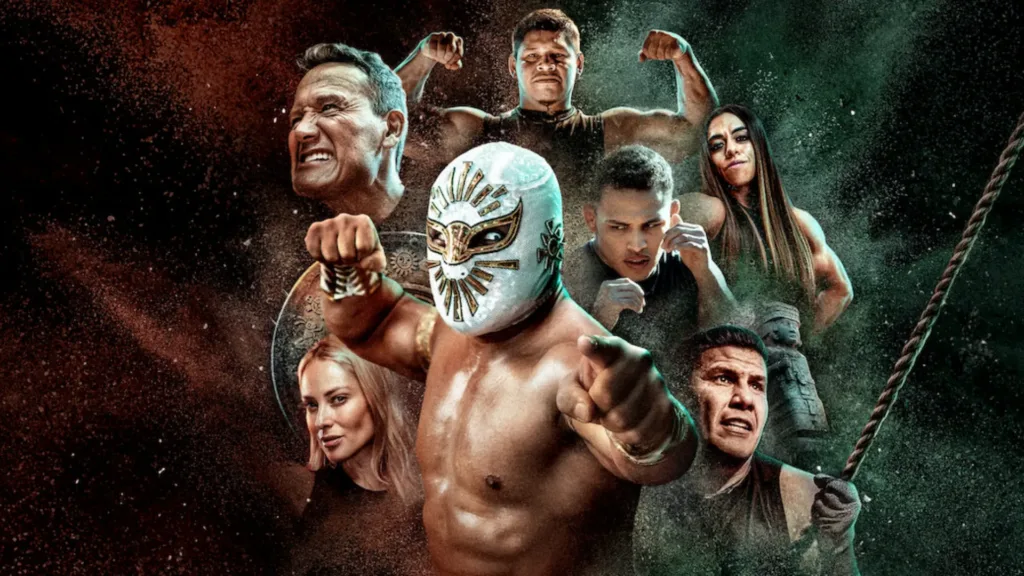
According to Mexican entertainment coverage, Bautista became one of the competition’s genuine surprises, advancing past the cut to the show’s final 12 competitors – a notable result against a field reportedly including Olympians, professional wrestlers, CrossFit athletes and a strongman competitor. MFO hasn’t independently verified the fine detail of individual challenges and isn’t treating paraphrased motivational lines from other outlets as direct quotes – but the broader result, that a bricklayer with no traditional athletic background outlasted specialists, appears consistently across multiple outlets.
If you haven’t finished the series yet, that’s as far as we’re going – the rest is worth watching rather than reading about here.
Already watched the finale? We’ve covered who won Physical 100: Mexico and why an obstacle racer outlasted the field.
Italy’s version is done too: Emanuele Bruno won the Physical 100: Italy final on 2 October. Here’s how Bruno won the €100,000, and how the final six got there.