It’s a shocking statistic but, living by the beach and sitting in the demographic myself, it’s not really a surprise, because I’ve done exactly what they did.
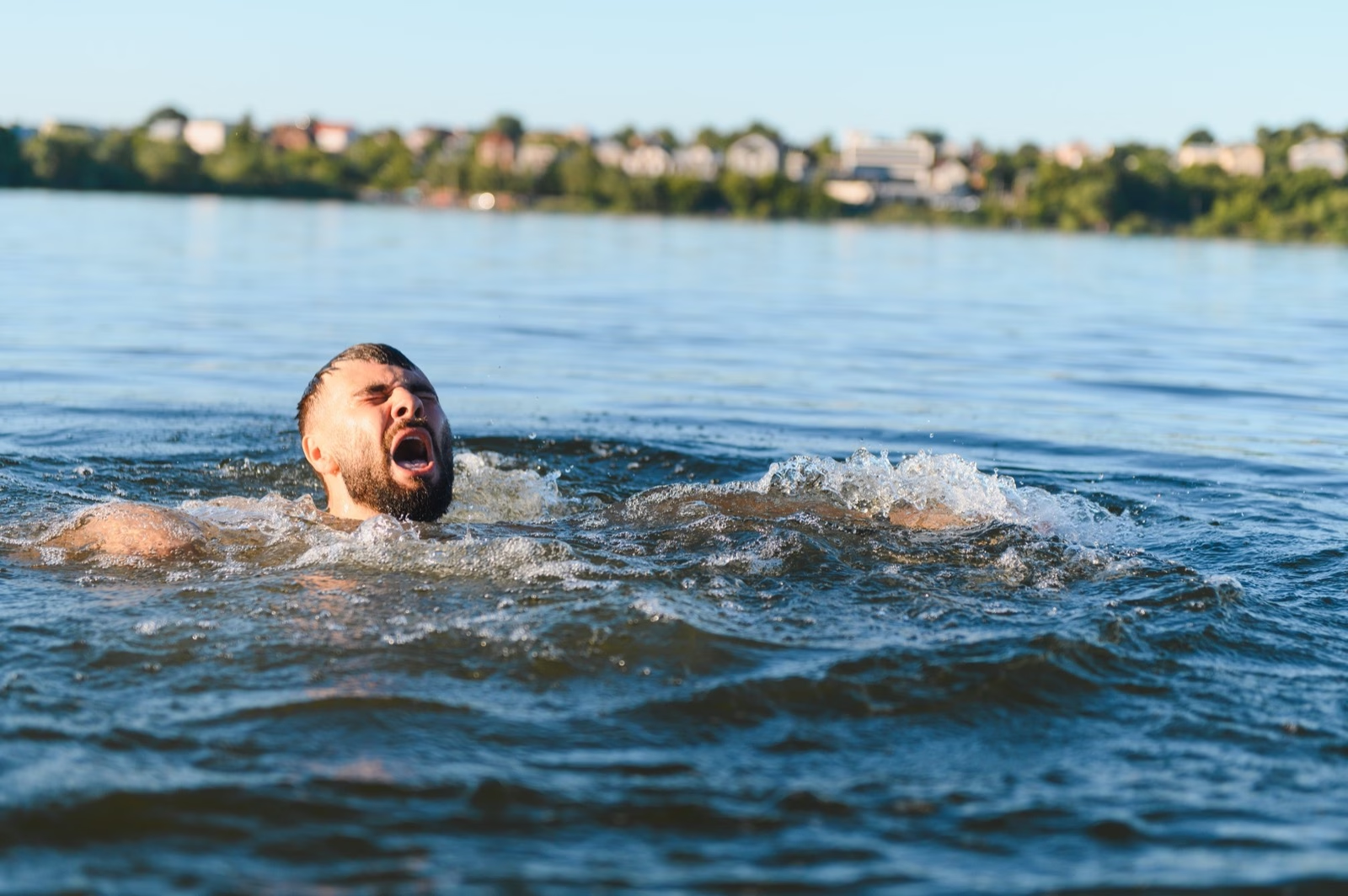
In the past year 151 people drowned on the Australian coast, and 134 of them were men. Surf Life Saving Australia, which released the figures on Friday, calls it a “record high” (SLSA). These weren’t mostly tourists who didn’t understand the flags, or teenagers showing off, or even boating accidents. More than half were men aged 30 to 59, and almost half lived near where they drowned.
- Coastal drowning deaths: 151 in the past year
- Men: 134, almost nine in ten, and 20% above the 10-year average
- Away from the flags: 66% of the men drowned more than 1 km from a lifesaving service
- Close to home: 47% lived within 50 km of where they drowned
- Age: 51% were aged 30 to 59
- Doing what: swimming or wading was the most common activity (25%)
Who is drowning
The picture in the National Coastal Safety Report 2026 is not the one most of us carry around or pay much heed to. But we should. Almost half of the men lived within 50 km of the spot where they died. More than half were between 30 and 59. And the most common thing they were doing was swimming or wading, not rock fishing, which is so often named as a deadly sport, or doing anything stupid like jumping off bridges. They were swimming.
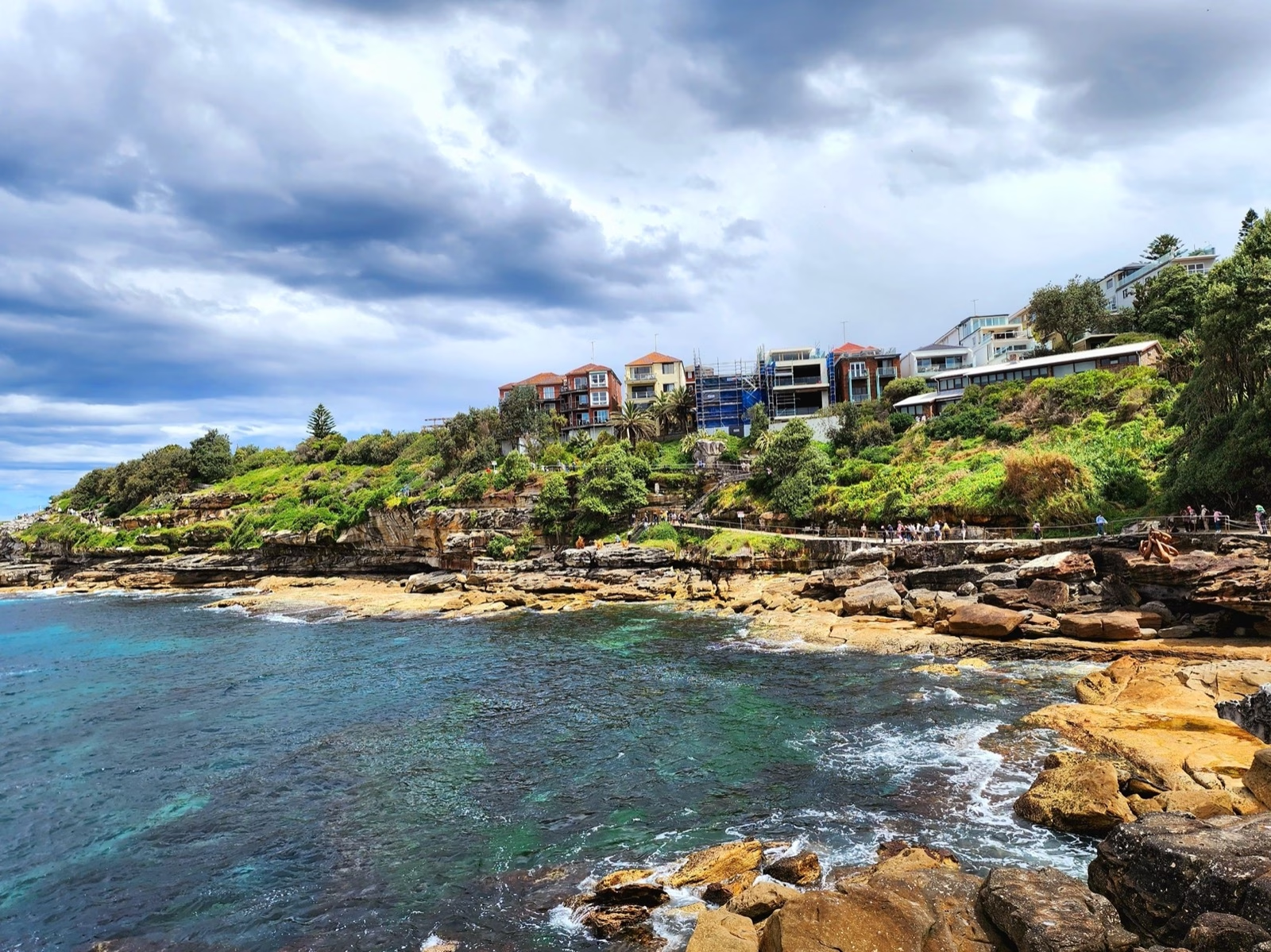
Two in three drowned more than a kilometre from the nearest Surf Life Saving service. That means an unpatrolled beach, a headland or a rock shelf, with nobody watching and nobody close enough to help.
Why men, and why over 45
SLSA chief executive Adam Weir said it’s no longer just about young blokes taking risks. “We’re seeing more men over 45, and it’s not simply about taking risks,” he said. “It can be underestimating the conditions, overestimating our abilities, or a medical episode that becomes far more dangerous in the water.”
This lines up with September’s National Drowning Report, which counted 313 drowning deaths across all waterways in 2025/26 and found rates above the 10-year average for every age group over 45 (SLSA and Royal Life Saving). Royal Life Saving pointed to medications and medical conditions as part of the reason.
Weir’s advice was blunt: “Swim between the flags, don’t swim alone, and don’t assume past experience makes you safe today.”
Our read
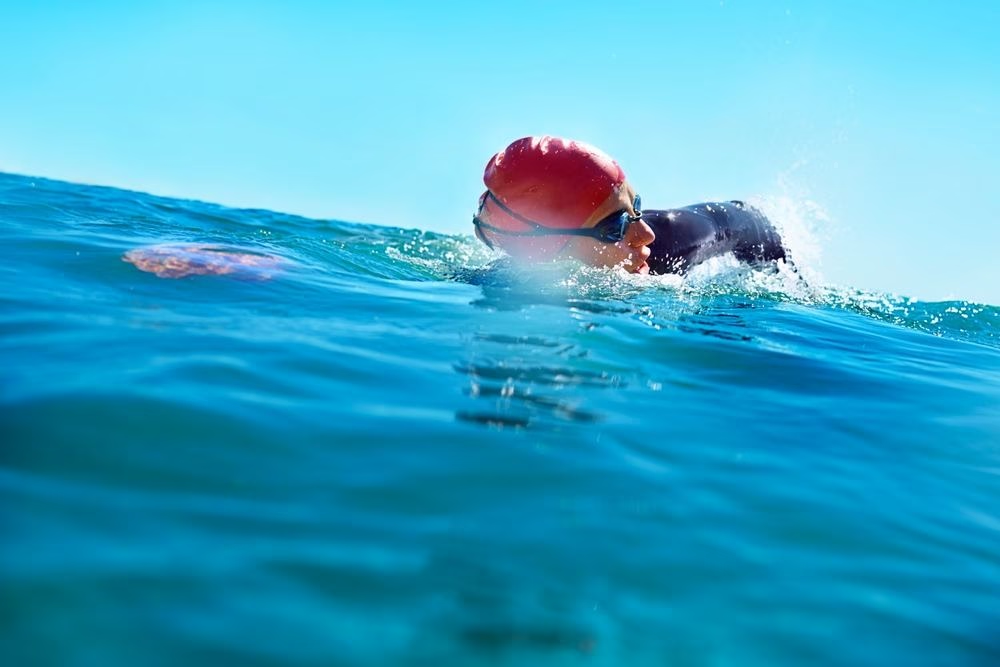
The man in these numbers is fit enough, has swum at the same beach for 20 years, and is 15 kg heavier and a lot less swim-fit than the last time he got caught in a rip. He goes in at the quiet end because the flags are crowded. That’s the habit to change, and it costs nothing.
Cold matters too. Early summer water in the southern states can still be cold enough to take your breath and your swimming ability in the first minute. We’ve explained how that works in our guide to cold water shock.
What to do this summer
- Swim between the red and yellow flags. The Beachsafe site and app list every patrolled beach and its patrol hours.
- Don’t swim alone, and tell someone if you’re heading to an unpatrolled spot.
- Be honest about your swim fitness. If you haven’t swum 200 m without stopping this year, you’re not as strong in the surf as you remember.
- If a rip takes you, don’t fight it. Stay calm, float, raise an arm and call for help. Swim parallel to the beach or towards breaking waves if you can (Beachsafe).
- Got a heart condition or on medication? Ask your GP what it means for swimming in the ocean.
- Have a word with your mates. Weir again: “If you know a bloke who thinks that advice is meant for someone else, a tap on the shoulder and a quiet word might help.”
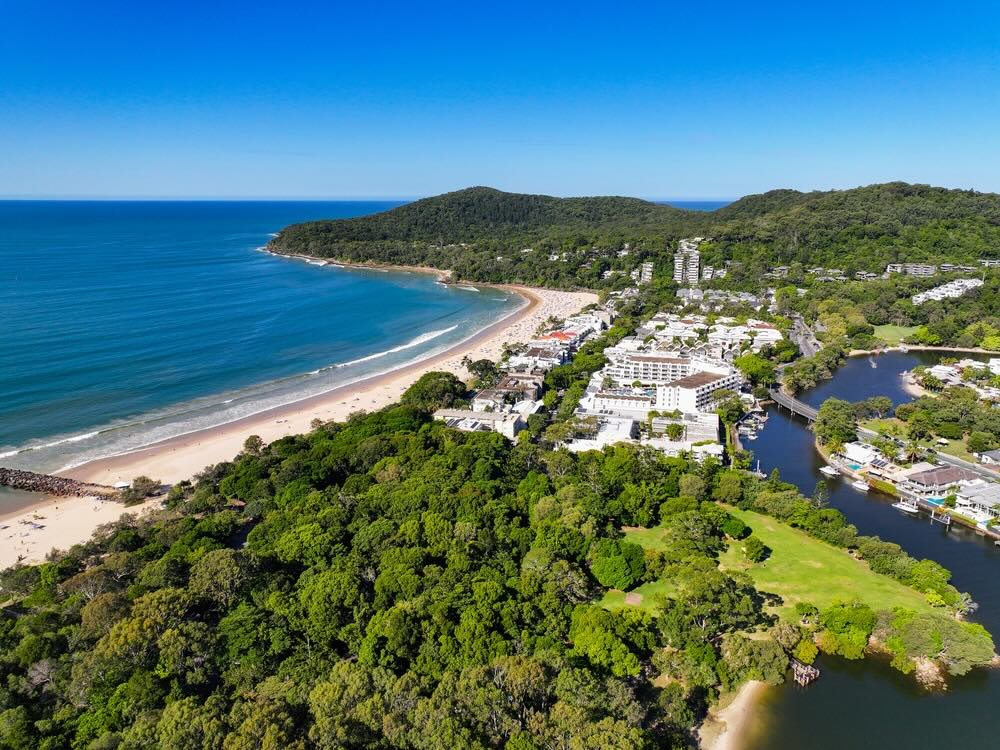
SLSA’s summer message is three words long: stop, look, stay alive. Stop before you get in. Look for rips and other dangers. Stay alive by swimming at a patrolled beach. If you want to build your swim fitness properly first, start with our ocean swimming guide.
Sources: Surf Life Saving Australia, 20 November 2026; National Coastal Safety Report 2026; National Drowning Report 2026; Beachsafe. Checked 21 November 2026.