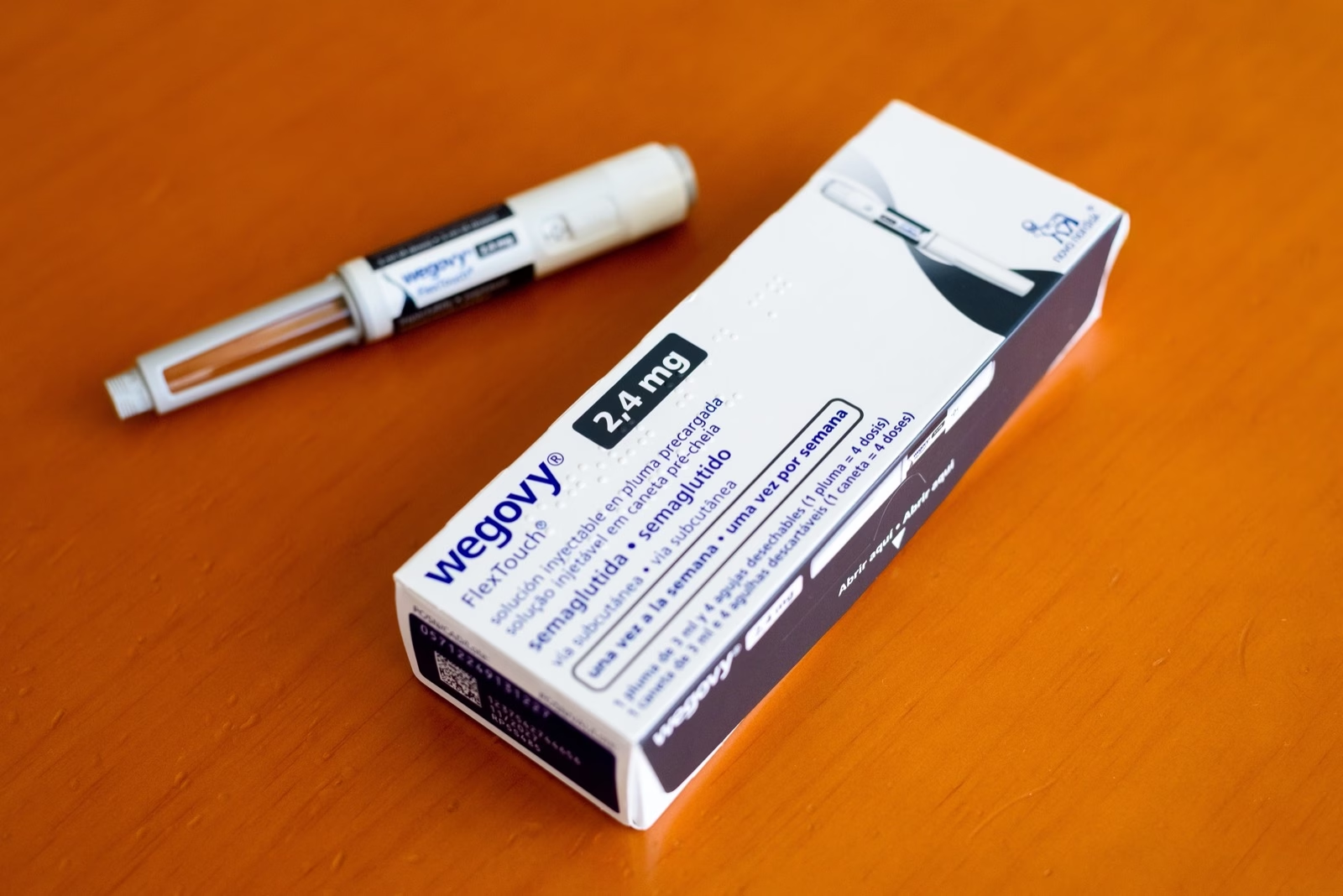
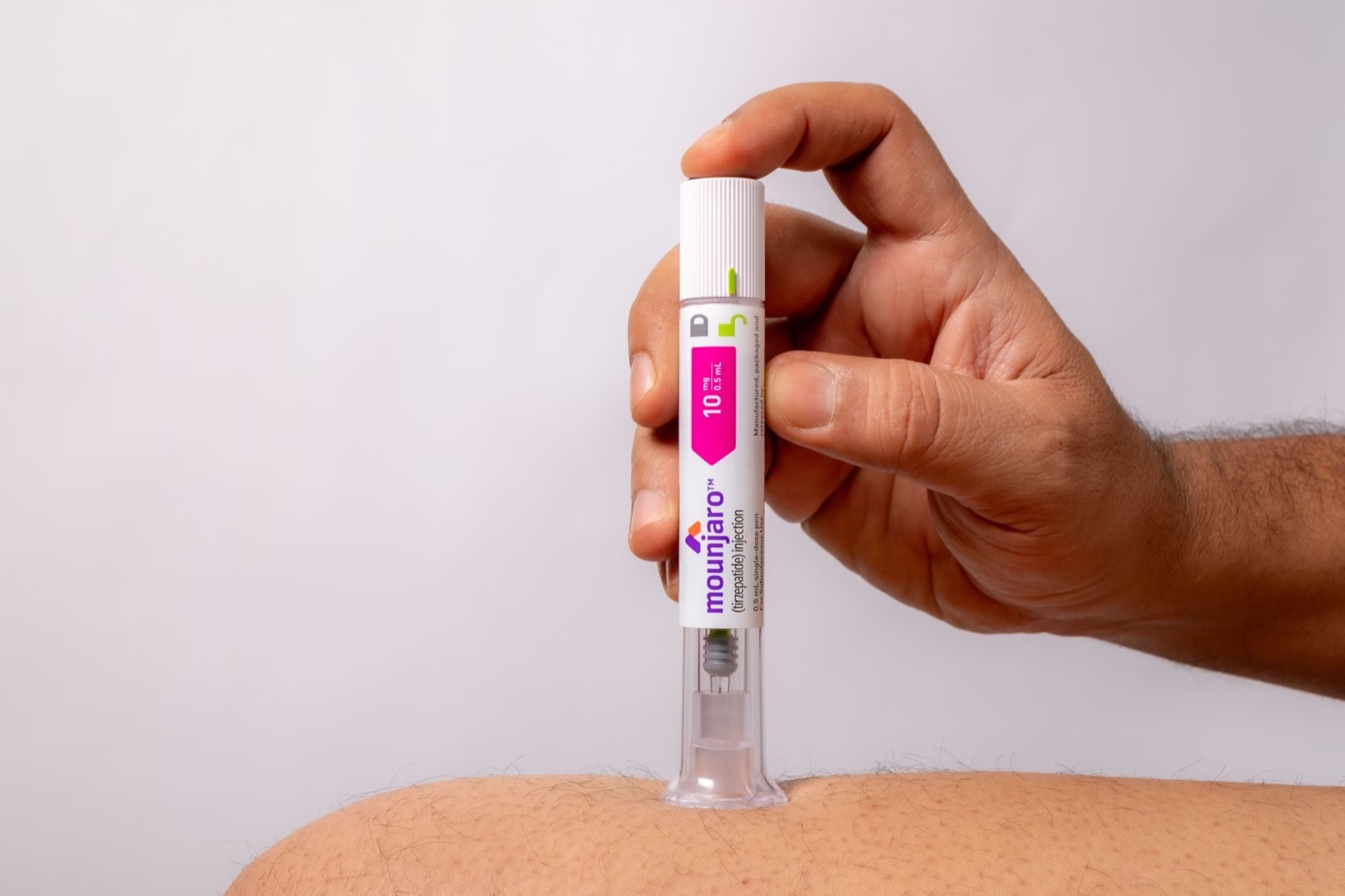
On Ozempic, Wegovy or Mounjaro? Every one of them now has to carry a warning about a rare eye condition that can take the sight from one eye overnight. Here’s what the US regulator decided, how rare it really is, and the one symptom you should never sit on.
- What happened: on 9 November 2026 the US Food and Drug Administration (FDA) ordered a warning on every GLP-1 drug
- The condition: NAION, a loss of blood flow to the front of the optic nerve that causes sudden, painless vision loss in one eye
- How rare: in clinical trials, 6.4 cases per 100,000 patient-years on GLP-1s against 3.8 on comparison drugs
- Proven cause?: no. The FDA calls it a “potential increased risk”
- Australia: the TGA added a class-wide warning in July 2026
- What to do: sudden vision loss in one eye means a doctor the same day. Don’t stop your drug without advice
What the FDA decided
The FDA is requiring every maker of a GLP-1 drug to add the risk of non-arteritic anterior ischemic optic neuropathy (NAION) to the warnings and precautions on the label (FDA). It covers the whole class:
- Semaglutide: Ozempic, Wegovy and the Rybelsus tablet
- Tirzepatide: Mounjaro and Zepbound
- Liraglutide: Victoza, Saxenda and Xultophy
- The rest: Trulicity (dulaglutide), exenatide, Soliqua (lixisenatide) and Foundayo (orforglipron)
Europe got there first. In 2025 the European Medicines Agency’s safety committee said Wegovy and Ozempic “may in very rare cases” cause NAION, and estimated it may affect up to 1 in 10,000 people taking semaglutide for a year or more. Eli Lilly and Novo Nordisk did not respond to Reuters’ requests for comment (Reuters).
What is NAION?
NAION happens when blood flow to the front of the optic nerve drops. Nobody fully understands why. It usually hits one eye, without pain, and the loss can be permanent. If it happens in one eye, the other eye is at higher risk (FDA). The signs:
- Sudden, painless loss of vision in one eye, often noticed on waking
- Blurred or missing patches, blind spots or tunnel vision
- Colours looking washed out
- Central vision less sharp than usual
The known risk factors are smoking, diabetes, high blood pressure, sleep apnoea, anaemia and kidney disease. Our read: that list overlaps heavily with the people most likely to be prescribed these drugs, which is exactly why the link has been so hard to prove one way or the other.
How big is the risk?
| The numbers | NAION |
|---|---|
| GLP-1 users in trials | 6.4 per 100,000 patient-years |
| Comparison drugs in trials | 3.8 per 100,000 patient-years |
| Events across 126 trials | 15 (10 on GLP-1s, 5 on placebo) |
| Adults over 50 in general | 2.3 to 10.2 per 100,000 a year |
| EMA estimate, semaglutide | up to 1 in 10,000 after a year |
Put simply, it’s rare. The trial analysis pooled 126 studies and 134,253 patients and found 15 probable cases in total. In US health-insurance data, GLP-1 users had a higher rate than people on DPP-4 inhibitors, an older class of diabetes pills, but the difference against SGLT-2 inhibitors wasn’t statistically significant. The FDA found no mechanism in animal studies (FDA). A 2025 study of nearly 175,000 people with diabetes found the risk more than doubled after two years on a GLP-1 compared with other diabetes drugs (Reuters).
Our read: the absolute risk is tiny, and for most people on these drugs the benefits of losing a lot of weight or controlling diabetes are far bigger. But it’s real enough for two regulators to put it on the box, so know the warning sign.
What about Australia?
The Therapeutic Goods Administration (TGA) added a class-wide warning in July 2026. Its adverse-event database held 36 Australian reports: 23 for semaglutide, 10 for tirzepatide and 3 for liraglutide. Its expert committee concluded the evidence “may support the signal for semaglutide, but not dulaglutide or tirzepatide”. Doctors are told to send anyone with sudden vision loss for an urgent eye examination (RACGP newsGP).
If you’re on Ozempic, Wegovy or Mounjaro
- Don’t stop on your own. Talk to your prescriber first
- Know the sign: sudden, painless vision loss in one eye. Call your doctor that day, or go to an emergency department
- Get your eyes checked every year if you have diabetes
- Work on the risk factors you can change: stop smoking, get blood pressure checked, and ask about sleep apnoea if you snore
- Keep lifting. It protects the muscle these drugs strip off: see how to beat GLP-1 muscle loss
For more on these drugs, see our guides to the Wegovy pill in Australia, why Wegovy can stall in older men and an experimental drug that targets fat without the appetite hit.
Ozempic blindness FAQ
Does Ozempic cause blindness?
It hasn’t been proven. The FDA says GLP-1 drugs carry a potential increased risk of NAION, a rare condition that can cause permanent vision loss in one eye. In trials it occurred in about 6 in 100,000 users a year.
Is Mounjaro included in the warning?
Yes. The US warning covers every GLP-1 drug, including Mounjaro and Zepbound (tirzepatide). Australia’s TGA committee found the evidence weaker for tirzepatide than for semaglutide.
What are the symptoms of NAION?
Sudden, painless vision loss in one eye, often on waking, plus blind spots, blurring or dull colours.
Should I stop taking my GLP-1?
Not without talking to your doctor. The FDA advises doctors to consider stopping the drug in someone who develops NAION, unless the benefits clearly outweigh the risk.
Sources: FDA Drug Safety Communication, 9 November 2026; Reuters, 9 November 2026; RACGP newsGP, 23 July 2026. Checked 12 November 2026. This is general information, not medical advice.