

Climbing the stairs. Getting up off the couch without a hand on the armrest. That’s where Alexandra Cremona, who lectures in human nutrition and dietetics at the University of Limerick in Ireland, starts her case on creatine in a piece for The Conversation on 25 November 2026. Her advice for older adults: lift first, and creatine may add “a little more strength”.
Two 2026 reviews back her up, with limits. One pooled 11 randomised trials in adults 60 and over and found a small extra strength gain, but no clear gain in muscle or everyday function. The other found the creatine groups did better on the chair-rise test.
Creatine has spent decades sitting beside protein powder in the bodybuilding section of the supplement shop. Which is slightly unfortunate, because the bloke who may have the strongest reason to care about preserving muscle isn’t necessarily 22 and trying to make his sleeves tighter. He’s 55, and would quite like to still be strong at 75.
MFO has already covered the basics of what creatine actually is and how it works — this isn’t that article. This is the one asking a narrower, more useful question for a man past 50: given that it’s cheap and this heavily studied, is there an actual, defensible reason not to take it?
Why muscle matters more after 50
Age-related muscle loss — sarcopenia, if you want the clinical term — isn’t a vague inevitability, it’s a measurable decline: strength and muscle mass fall at an accelerating rate from around your 40s onward, and power (how fast you can produce force, not just how much) tends to drop even faster than raw strength. That matters practically, not just aesthetically — power is what stops a stumble turning into a fall, and what gets you up off the floor without using the furniture.
Resistance training is the primary defence. Creatine’s role is smaller but genuinely additive: it’s not a replacement for lifting, it’s a way of getting slightly more out of the lifting you’re already doing.
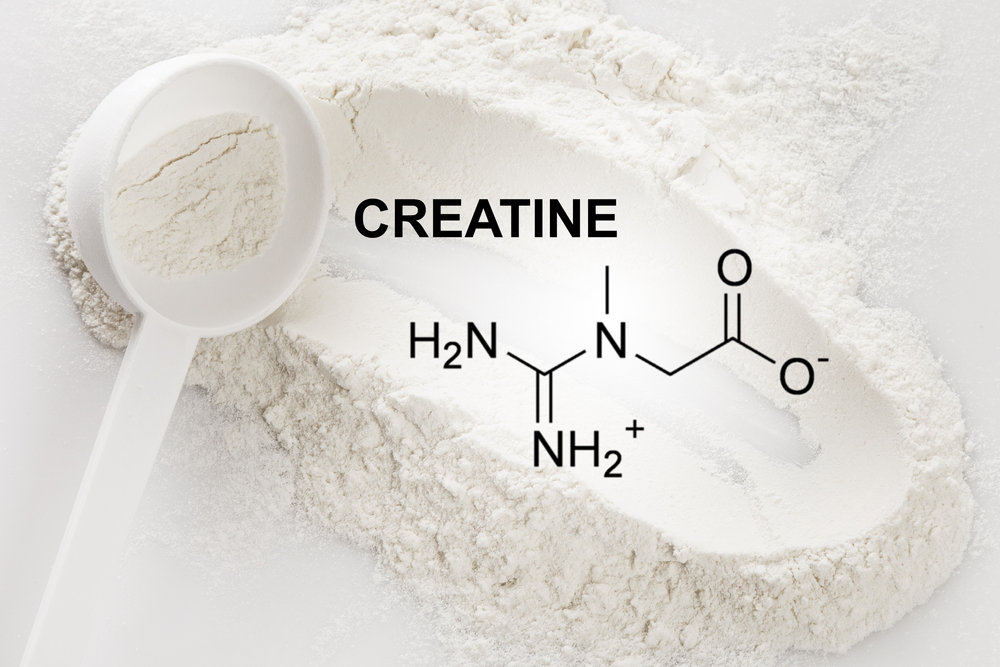
Does creatine actually work in older men?
Yes, with a fairly consistent evidence base: when combined with resistance training, creatine supplementation in older adults is associated with greater gains in strength and lean muscle mass than resistance training alone. The effect isn’t dramatic — nobody’s turning into Arnold at 60 — but in a context where the natural trend is a slow decline, a supplement that measurably slows or partially reverses that trend is a genuinely good deal for the cost.
What the 2026 reviews found in older adults
| Study | Who | What creatine added |
|---|---|---|
| Yao, Yang and Gao, Frontiers in Nutrition, Aug 2026 | 11 trials, adults 60+, mostly healthy | Small extra strength gain; no clear gain in muscle or function |
| Yao and Niu, Frontiers in Nutrition, Nov 2026 | 8 trials (5 pooled), middle-aged and older | Better sit-to-stand; walking and falls unclear |
| Review, adults over 50, 2021 | Older adults lifting weights | About 1.3 kg more lean tissue, some of it water |
| Two trials in frail older adults | Frail or at risk of frailty | No clear extra benefit |
The extra strength is real but small, and it only shows up in men who train.
What about the brain?
This is where it’s worth being careful. There’s real, growing interest in creatine’s effects on cognition — some studies suggest benefits for mental fatigue and short-term cognitive performance, particularly under sleep deprivation or stress. It is not an established dementia treatment or a proven brain-longevity intervention, and treating it as one oversells research that’s still early. File it as promising, not proven, and take the muscle-and-strength case as the reason to actually start.
The stuff men worry about
Will it make me bald? MFO already ran this down in detail — short version: the concern traces to one small, old study showing a rise in a testosterone byproduct linked to hair loss in genetically susceptible men, and it’s never been confirmed that creatine itself causes shedding. If you’re already prone to male pattern baldness, it’s not zero risk. For most men, it isn’t the reason to skip it.
Will it damage my kidneys? In healthy adults without existing kidney disease, no — decades of research haven’t shown creatine harms normal kidney function. If you have kidney disease, or any condition your GP is already monitoring, that’s a conversation to have with them first, not a reason for everyone else to worry.

Will I put on weight? Some, initially — creatine pulls water into muscle cells, which can add a kilo or two early on. That’s intracellular water, not fat, and it’s not the “bloated” look some people expect.
Do I need to load, or cycle it? No to both. A loading phase gets you to saturation faster, but daily dosing gets there within a few weeks regardless. Cycling off periodically has no evidence behind it — creatine isn’t a stimulant your body adapts around.
Does it affect testosterone? Not meaningfully. It improves training performance, which some people mistake for a hormonal effect, but it isn’t one.
How much, and when
Most of the research supporting healthy adults uses somewhere around 3–5 g daily, taken consistently — timing relative to your workout doesn’t appear to matter much despite the ongoing debate about it. The complete guide covers dosage in full detail if you want the longer version.
- Dose: 3–5 g of creatine monohydrate a day, at any time of day
- Train: lift at least two days a week; the creatine only adds to training
- Test yourself: count chair stands in 30 seconds, and try our grip strength test
- GLP-1 drugs: read how to keep muscle on GLP-1 drugs
- GP first: if you have kidney disease or take several prescription medicines
Who should actually check with their GP first
Anyone with existing kidney disease, anyone on medication their doctor is actively monitoring for kidney or liver function, and anyone simply unsure given their own medical history. That’s a small list. It isn’t most men reading this.
So should every man over 50 take creatine?
Not literally every man — but for a healthy 50-plus man already doing regular resistance training, creatine monohydrate is unusually difficult to argue against: cheap, extensively studied, and aimed squarely at the physical quality ageing takes away first. We went looking for the catch. The honest answer is that it’s smaller than expected.
Creatine for older adults and seniors: FAQ
Is creatine safe for seniors?
With healthy kidneys, studies at usual doses have generally found no harm; check with your GP first if you have kidney disease or take several prescription medicines.
How much creatine should a man over 50 take?
Most trials use 3–5 g of creatine monohydrate a day, with no loading phase needed.
Does creatine work without lifting weights?
Not much: the strength gains show up in people who also do resistance training.
Will creatine change my blood test results?
It can. Creatine raises creatinine, which labs use to estimate kidney function, so tell your doctor you take it.
Sources: The Conversation, Alexandra Cremona, 25 Nov 2026; Frontiers in Nutrition, 2026 (11 trials, adults 60+); Frontiers in Nutrition, 2026 (sit-to-stand). Checked 26 November 2026.