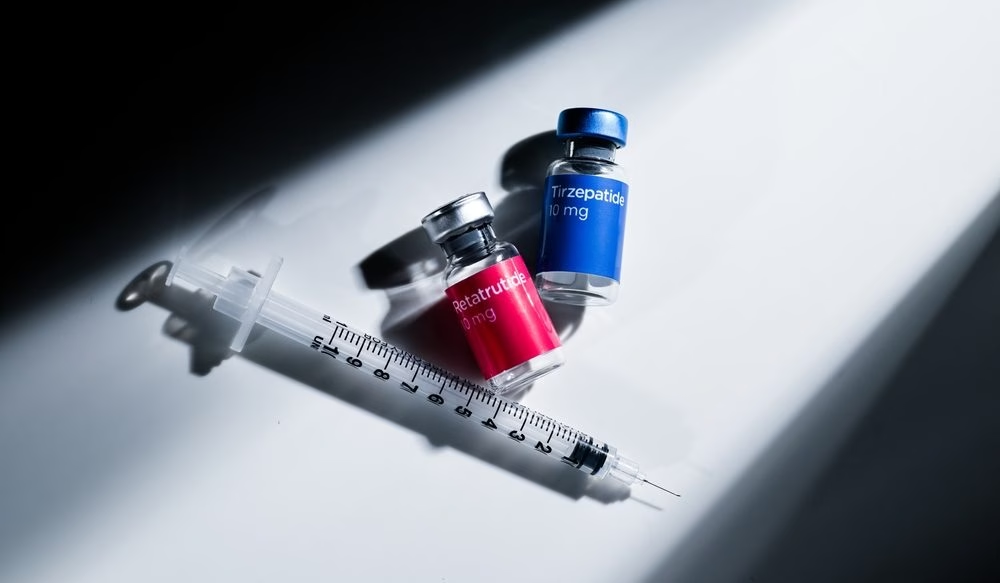
The Australian federal government is going after the online peptide trade. Health Minister Mark Butler has asked a parliamentary committee to investigate how peptides are prescribed and sold online, and who is being targeted. The answer to that last part, according to the government’s own men’s health envoy, is young blokes (NewsWire).
- Who asked for it: Health Minister Mark Butler, on Friday 20 November 2026
- Who runs it: the House Standing Committee on Health, chaired by Dr Mike Freelander
- What it covers: online and telehealth peptide prescribing, and how social media sells it
- When: hearings from November 2026, report due mid-2027
- What changes today: nothing. The law is the same as it was last week
What the inquiry will look at
- How many Australians are being prescribed peptides, and what they’re taking.
- The “benefits, risks and opportunities” of online and direct-to-consumer clinics.
- Whether peptide prescribing is safe and of good quality.
- Why demand for online peptide services is growing.
- What responsibility social media and digital platforms have for promoting them.
Butler said he was “extremely concerned about escalating reports by the TGA of unapproved peptides being prescribed and delivered via telehealth and one-stop-shop style dispensaries”. That last phrase is the target: businesses where the same company signs you up, prescribes and ships.
“Just because someone with a six-pack is promoting it”
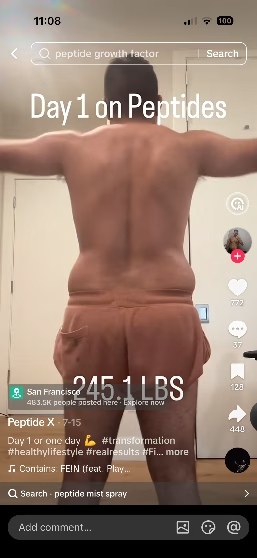
The bluntest line came from Dan Repacholi, the Special Envoy for Men’s Health. “Social media is full of people promising bigger muscles, faster recovery and a better body. But just because someone with a six-pack is promoting something online doesn’t mean it’s safe,” he said. “I’m particularly concerned about young blokes being influenced by what they see online and turning to unapproved products without understanding the risks.”
Sports Minister Anika Wells said Sport Integrity Australia had flagged peptides as “an emerging risk for athletes, partly because of their availability and promotion online”.
What it means if you buy peptides
Right now, nothing changes. An inquiry can recommend new rules but it can’t make them, and its report isn’t due until the middle of 2027.
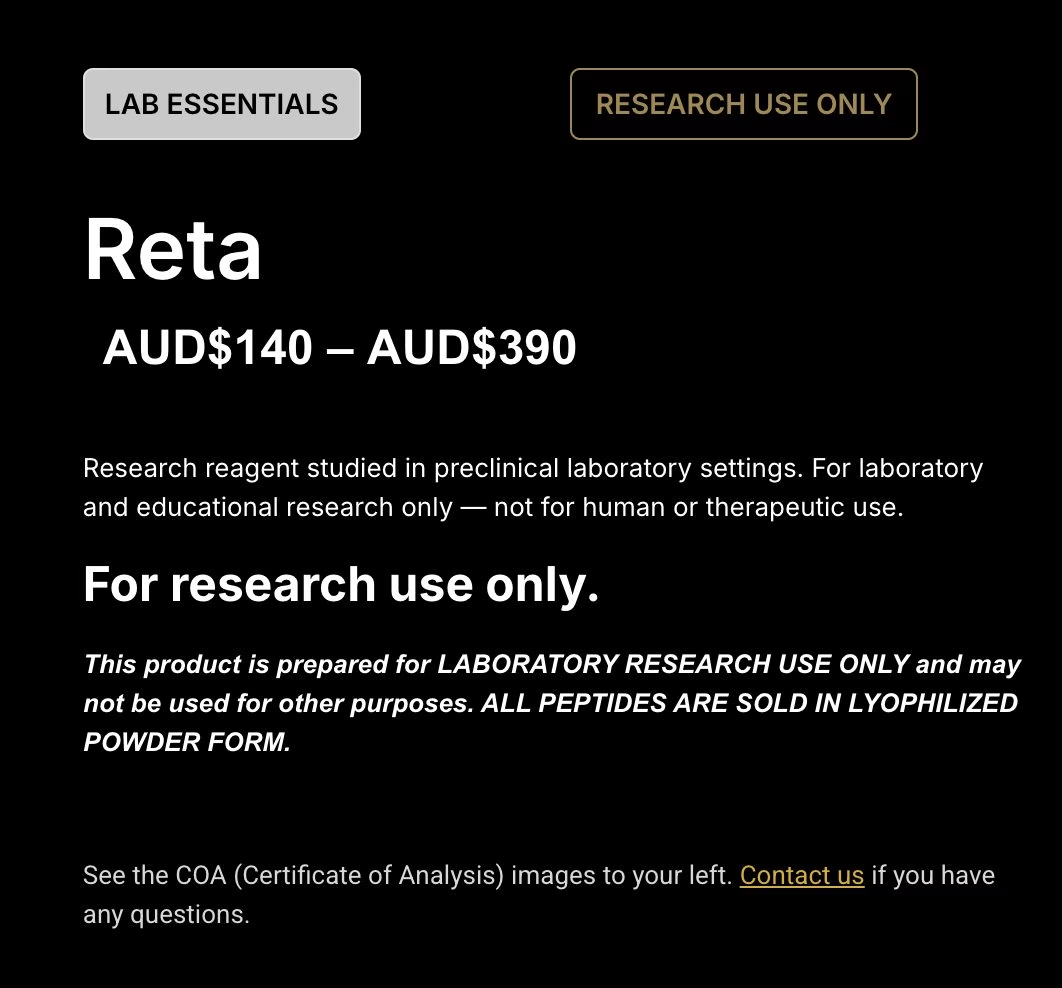
The rules that already exist are stricter than most buyers think. Importing, advertising or supplying an unapproved peptide outside an authorised pathway is already unlawful, and “for research use only” on the vial doesn’t change that. We’ve set out what’s legal, what isn’t and what’s banned in sport in peptides in Australia: what’s legal and what isn’t.
Our read
This has been coming. Independent MP Dr Monique Ryan asked for an inquiry in August and again in October, after a Victorian coroner linked a man’s death to unapproved peptides that a doctor had prescribed and a pharmacy had compounded (Medical Republic). The government’s version is narrower than the one she wanted, but it’s now happening.
Expect the pressure to land on the clinics and the platforms, not on the bloke with a vial in his fridge. If you get peptides through an online clinic, the likely result is tighter prescribing and fewer one-stop shops by 2028. If you buy from an overseas website or a seller on Instagram, the risk hasn’t changed: nobody has checked what’s in the vial. Start with are peptides safe? and what happened when counterfeit retatrutide reached Australia.
Source: NewsWire via Yahoo News Australia, 21 November 2026; Medical Republic, 29 October 2026. Checked 22 November 2026. This is general information, not medical advice.