
Shane Gillis, Matt McCusker and Joe Rogan spent seven minutes arguing over whether a grizzly would beat a gorilla. None of them has fought either. We haven’t either, but we did check every claim at the table against the zoos, park rangers and scientists who actually study these animals. Then we picked a winner.
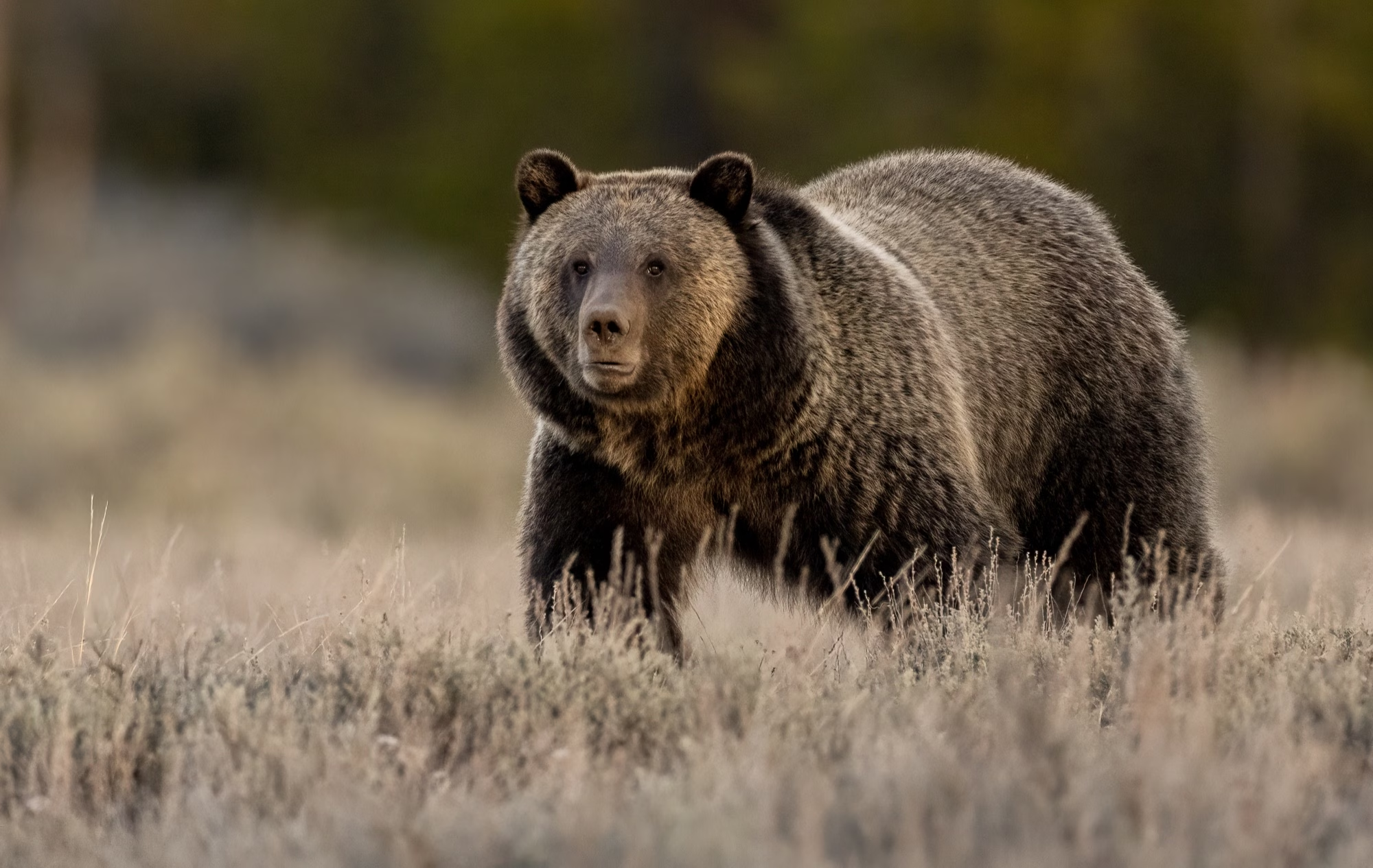
- Weight: a male grizzly is about 135 to 270 kg. A wild silverback is about 135 to 180 kg
- Standing up: a grizzly tops 2.4 m. A silverback is about 1.7 to 1.8 m
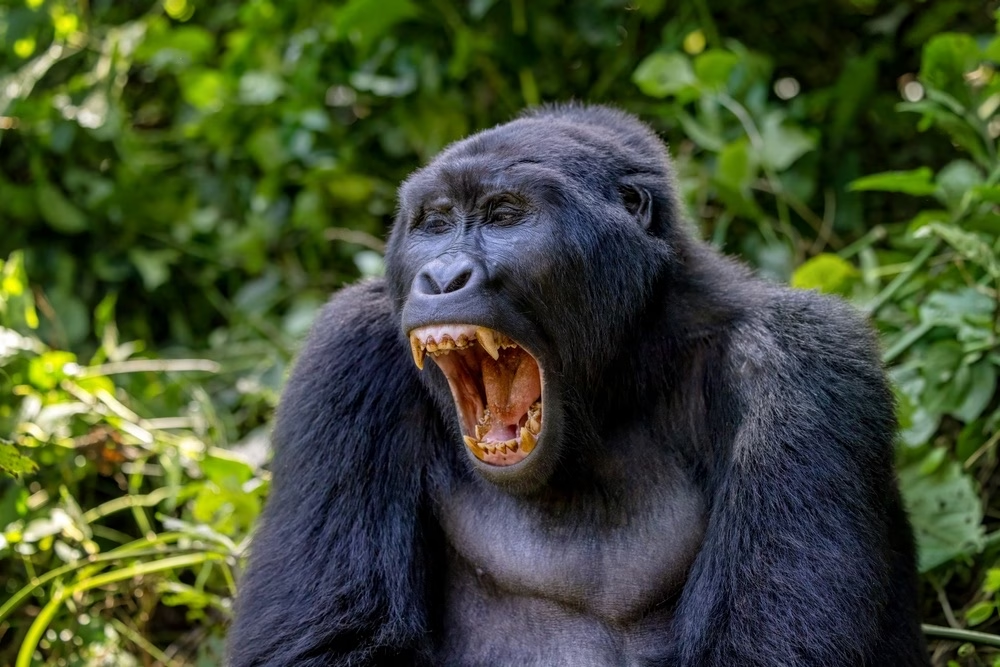
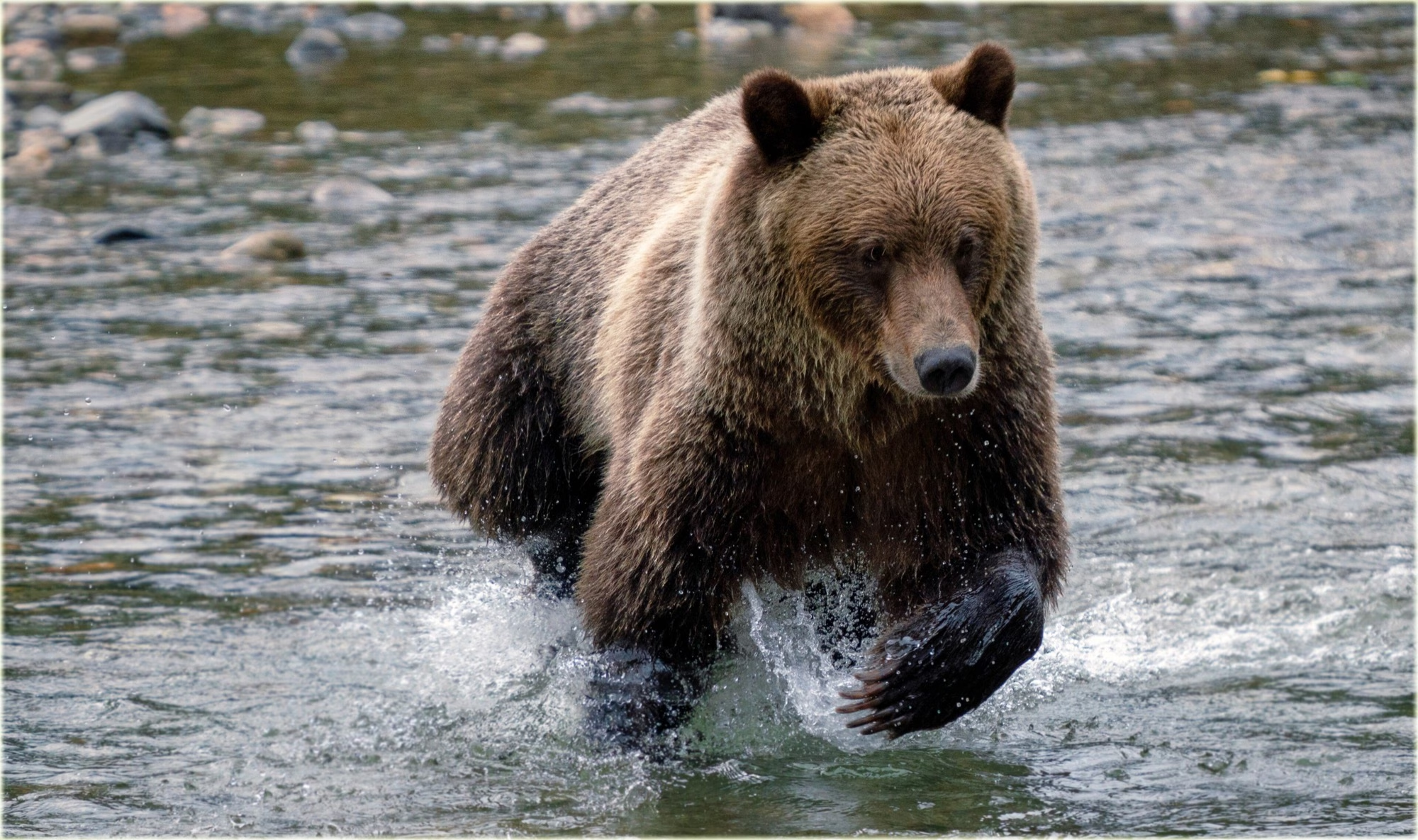
- Weapons: 10 cm claws and a big bite vs long arms, strong hands and big canines
- Day job: the grizzly takes elk calves, moose and bison carcasses. The gorilla eats leaves
- Our pick: the grizzly, comfortably
The tale of the tape
| Grizzly vs silverback gorilla | |
|---|---|
| Weight (adult male) | 135 to 270 kg vs 135 to 180 kg in the wild |
| Biggest of the family | coastal brown bears to about 450 kg vs zoo males to about 227 kg |
| Height standing | more than 2.4 m vs about 1.7 to 1.8 m |
| Top speed | about 56 km/h vs no reliable figure |
| Weapons | 10 cm claws, teeth vs canines, hands, 2.25 to 2.4 m arm span |
| Diet | meat, fish, plants vs mostly leaves and stems |
| Kills big animals? | yes vs no |
For the full breakdowns, see how strong is a grizzly bear and how strong is a gorilla.
We fact-checked the table
“Grizzlies run about 40 miles an hour” (McCusker)
Close, but a bit fast. The figure from the rangers is 35 mph, about 56 km/h, in a sprint (Glacier National Park). Usain Bolt’s world record works out to about 37.6 km/h over 100 m (World Athletics). So Matt’s right where it counts: you can’t outrun one, and neither can a gorilla.
“Coastal brown bears eat salmon and moose, so they get giant” (Rogan)
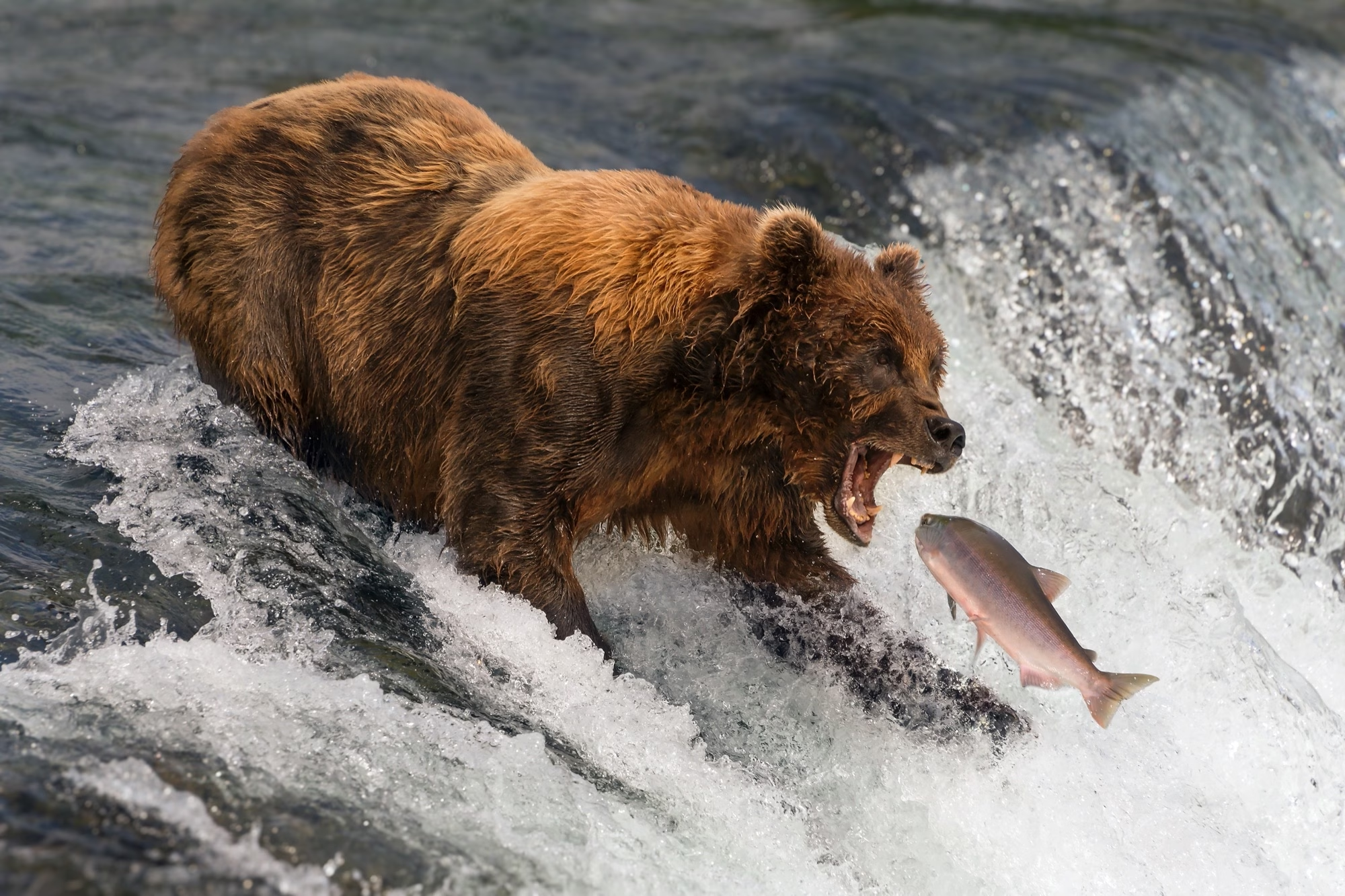
True. Grizzlies are the inland form of the brown bear, and the salmon-fed bears on the coast get much bigger: the National Park Service gives brown bears a range up to about 450 kg (NPS). Inland, Yellowstone grizzlies live on elk, bison and other big grazers in spring, much of it carrion, and take elk calves into July (NPS Yellowstone). A US Geological Survey study found they “seemed to prey selectively upon moose” (USGS).
“Gorillas don’t really kill anything” (Rogan)
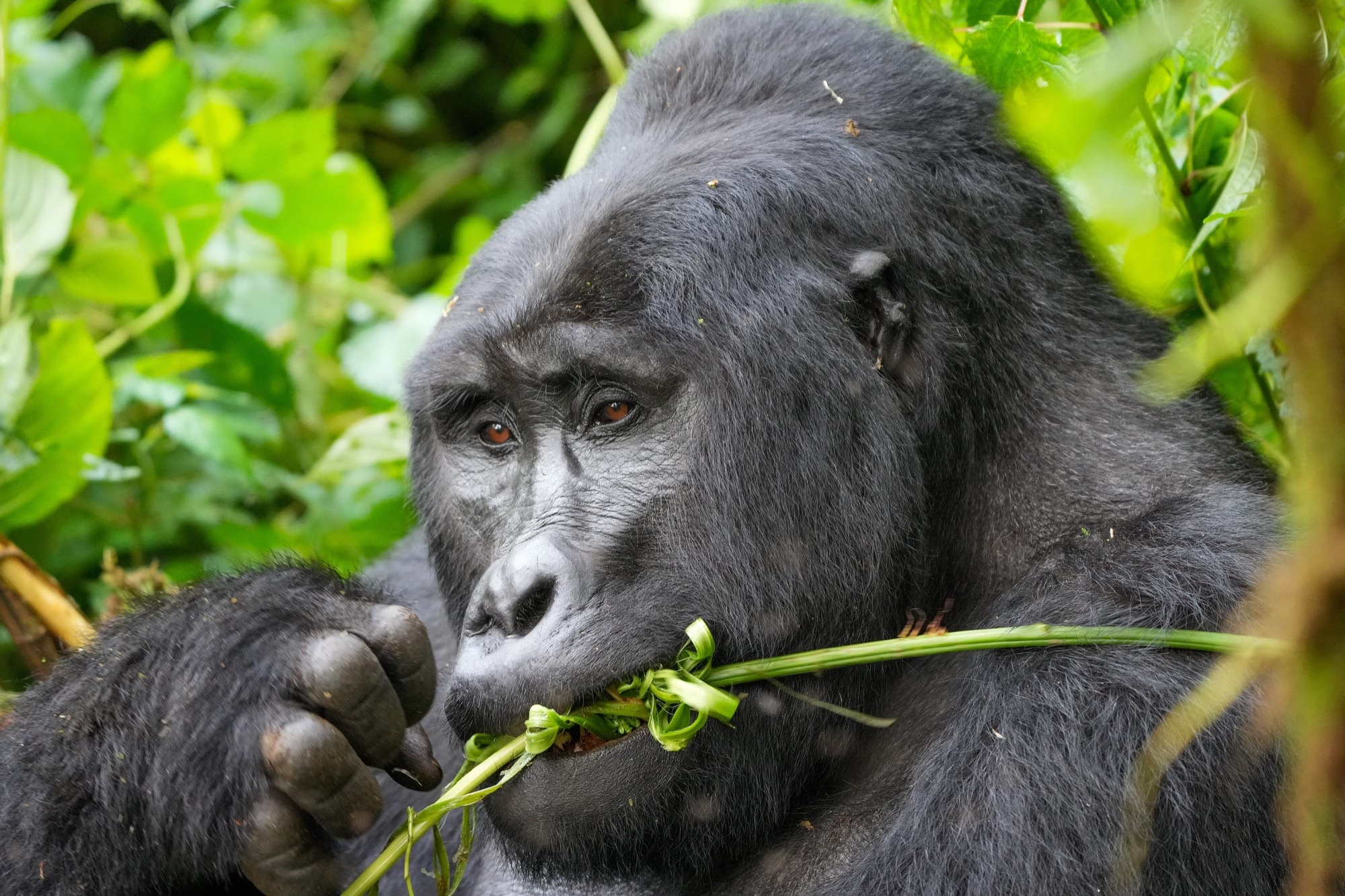
Mostly true. Gorillas are “primarily herbivorous”, eating leaves and stems, with a bit of protein from bugs (Smithsonian National Zoo). They don’t hunt. The grim exception: males fight over females, and a new group leader may kill unrelated infants. A gorilla knows how to fight another gorilla. It has no idea how to kill a 250 kg predator.
“A silverback’s canines are for posturing” (Rogan)
Possibly, and scientists are still arguing. A 2008 study tested whether male primate canines are weapons or display by comparing their strength. Male canines were no stronger than females’. One of the researchers, Michael Plavcan, said that if the teeth are too weak to be weapons, “they’re all just for show” (Phys.org). The behaviour fits too: a charging silverback usually runs straight past. “They do not hit the intruder,” says the Smithsonian (National Zoo).
“Chimps’ favourite thing to eat is monkeys” (Rogan)
Half true. Chimps do hunt red colobus monkeys, and at Gombe in Tanzania they eat young ones head first, probably for the brain. But for chimps, “meat isn’t a diet staple” (National Geographic). They mostly eat fruit. How strong they are is another story: how strong is a chimp.
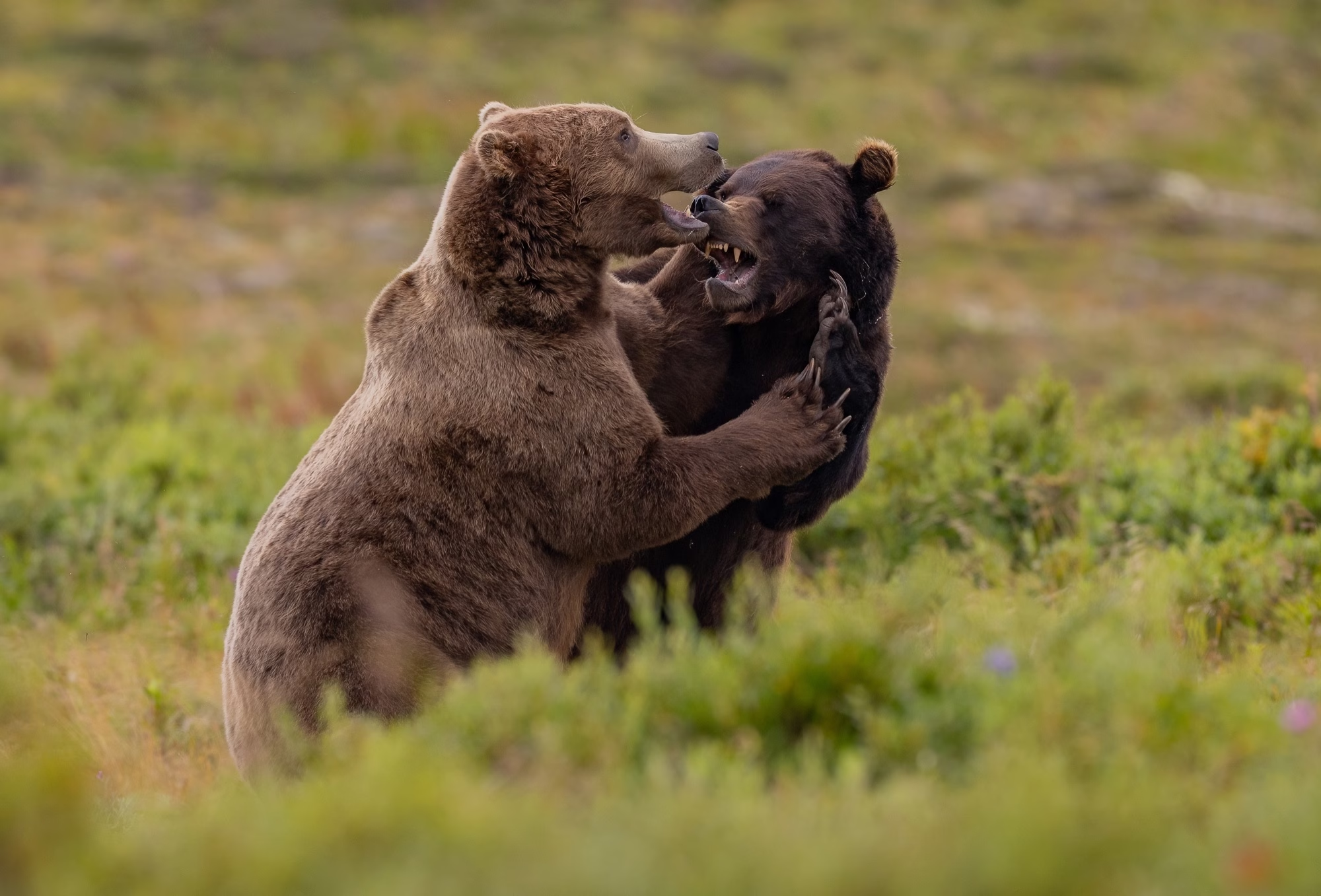
“Bears fight each other for 20 minutes, tear each other apart and shake it off” (Gillis)
Couldn’t verify. We couldn’t find a study timing bear fights, or one measuring how thick their skin is. Shane’s broader point holds up, though: a grizzly is built to take damage and dish it out, and a gorilla’s whole fighting style is built around not having to.
So who wins, grizzly or gorilla?
Our read: the grizzly, and it isn’t close. Matt called it a hot take. It isn’t.
- Size. A big male grizzly can carry 50 to 100 kg more than a wild silverback, and a coastal brown bear more than double.
- Weapons. Four paws of 10 cm claws plus a bite, against hands and teeth. The gorilla’s best weapons only work up close, which is exactly where the bear wants it.
- Experience. The grizzly pulls down elk and fights other bears every year. The gorilla’s fights are mostly bluffs against other gorillas, and it eats leaves for a living.
- Speed. The gorilla can’t escape a 56 km/h animal on open ground.
Where the gorilla has an edge: hands that grab and long arms. In the trees, it might simply leave. On the ground, we’d back the bear. Not that it will ever happen: gorillas live in central Africa and grizzlies in North America.
And you? You’d lose to either. Here’s how badly: gorilla, grizzly, and even the chimp.
Grizzly vs gorilla FAQ
Who would win, a grizzly or a gorilla?
A grizzly, in our view. It’s usually heavier, has claws, hunts big animals and is far faster. A gorilla is a plant eater whose fights are mostly displays.
Is a grizzly stronger than a gorilla?
Nobody has measured either one’s strength properly. But a grizzly is usually heavier, and it digs a winter den by moving up to a ton of material in under a week.
How fast can a grizzly bear run?
About 56 km/h (35 mph) in a sprint, according to Glacier National Park. That’s faster than Usain Bolt.
Do gorillas eat meat?
Barely. They’re mainly plant eaters, getting a little protein from insects and other bugs on leaves and fruit.
Sources: Glacier National Park; National Park Service; NPS Yellowstone; US Geological Survey; Smithsonian National Zoo; Phys.org (Plavcan and Ruff); National Geographic; World Athletics. Clip: @fermsyishere on X. Checked 18 November 2026.