
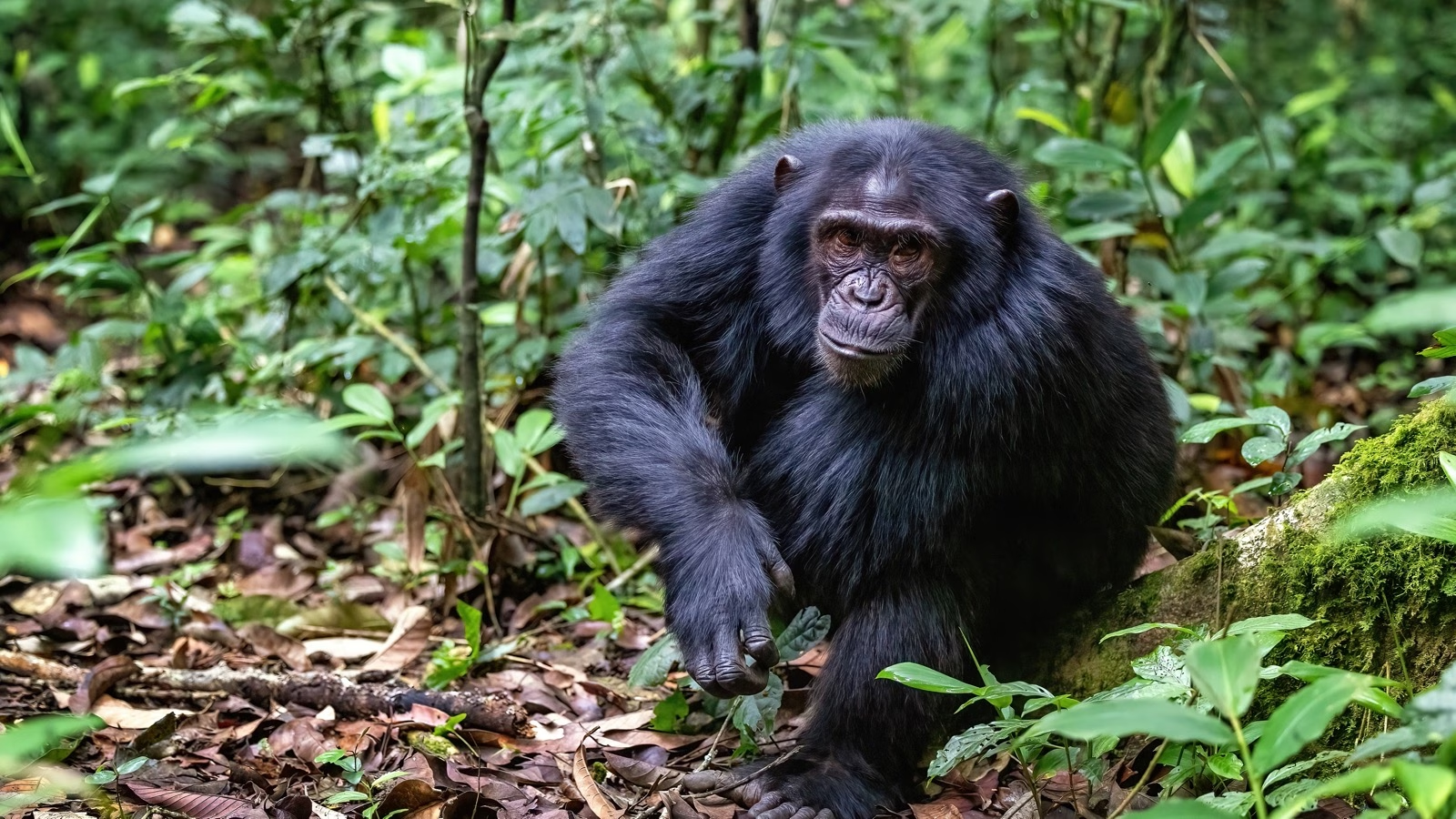

You’ve heard it: a chimp is five times stronger than a man, maybe eight, and it’ll pull your arms off. The real number is far smaller, and it still means you lose.
Here’s where the “five times” figure came from, what the best modern study found, why humans ended up weaker, and what it all means if someone hands you a pair of gloves. (One MMA fighter even claimed he’d fight one.)
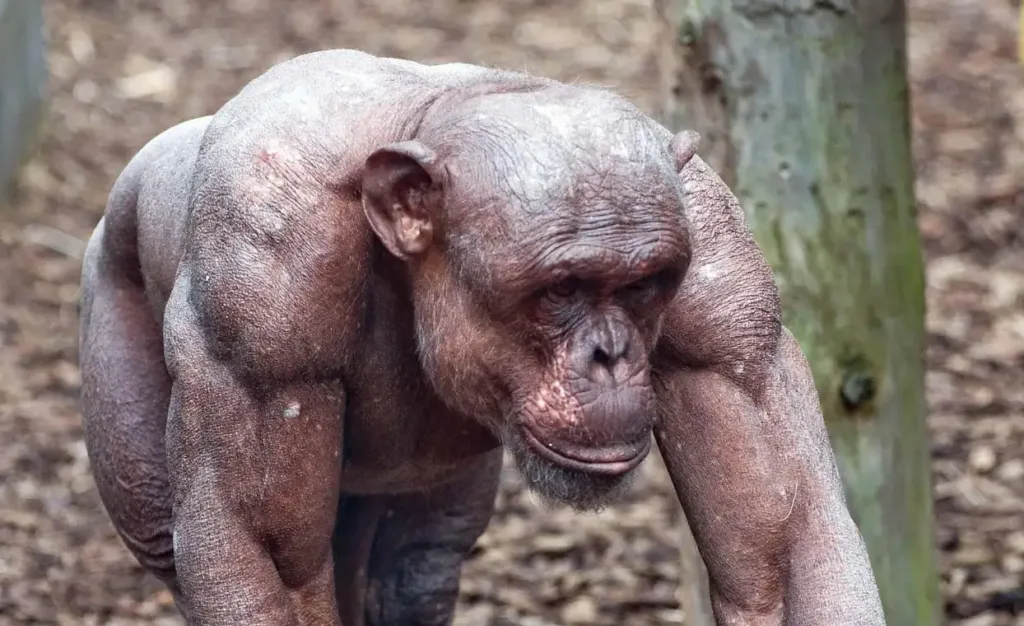
- Muscle for muscle: chimp muscle produces about 1.35 times the force and power of human muscle the same size (PNAS, 2017)
- Across older studies: about 1.5 times stronger for their size, on average
- “Five times stronger”: a myth from badly controlled 1920s zoo tests
- Why: about two-thirds of chimp muscle is fast-twitch fibre. Most human muscle is slow-twitch, built for endurance
- Size: adult male chimps weigh about 40 to 60 kg
- The catch: an adult male chimp pulls about as hard as a grown man at a fraction of the weight, and it fights with its teeth
Where the “five times stronger” myth came from
From a man with a dynamometer at the Bronx Zoo. In 1923 the researcher John Bauman set out to measure ape strength, because, as he noted, everyone believed apes were far stronger and nobody had tested it (Slate, John Hawks).
- Suzette, a former circus chimp, pulled 1,260 pounds (about 570 kg).
- Boma, then the biggest chimp in captivity, pulled 847 pounds (about 384 kg) with one hand in 1926 (Discover).
- College football players he tested in South Dakota pulled no more than 500 pounds with both hands.
Those numbers became the “five to eight times stronger” legend. The problem was the method. The chimps pulled a rope fed into their cages from awkward positions, while the humans used the machine however they liked. It wasn’t a like-for-like test.
Twenty years later, Glen Finch of the Yale primate laboratory tested eight captive chimps properly. An adult male pulled about the same weight as an adult man. Allowing for their smaller size, the chimps were stronger, but not by “five or anything close to it” (Slate). Tests in the 1960s put it at up to twice a man’s pulling strength, pound for pound.
What the science says now: about 1.35 times
In 2017 a team led by Matthew O’Neill at the University of Arizona College of Medicine in Phoenix went to the source: the muscle fibres themselves. Their study in PNAS tested chimp fibres, then modelled whole muscles. What they found:
- Fibre for fibre, chimps and humans are almost the same. Chimp fibres didn’t produce more static force or contract faster than human fibres of the same type.
- The mix is different. About 67% of chimp muscle is fast-twitch fibre. Human muscle in the same studies was mostly slow-twitch (roughly 53 to 69%).
- Their fibres run longer. Chimp muscle fibres make up about 15% more of the muscle’s length, which adds to their force and power.
- The result: chimp muscle produces about 1.35 times the dynamic force and power of a human muscle the same size.
The same team reviewed the older strength studies too. Across pulling and jumping tests, chimps came out between 1.2 and 2.05 times stronger than humans for their body size, and about 1.5 times on average. “There are nearly 100 years of accounts suggesting that chimpanzees must have intrinsically superior muscle fiber properties,” co-author Brian Umberger told ScienceDaily. “We found that within fiber types, chimp and human muscle fibers were actually very similar.”
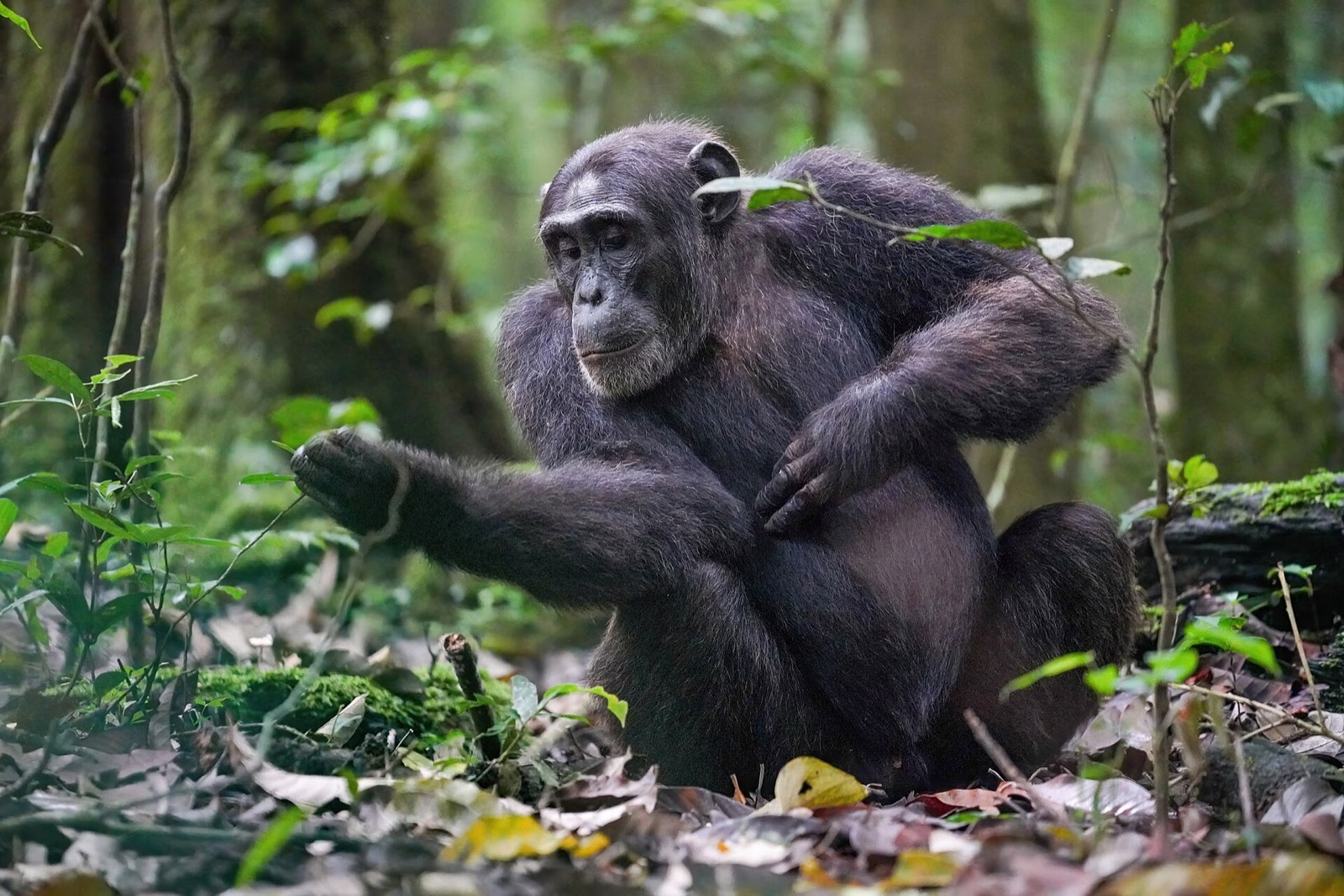
Chimp vs human: the numbers
| Measure | Chimp vs human |
|---|---|
| Force and power per kg of muscle | About 1.35x |
| Strength for body size (older studies) | 1.2x to 2.05x, average 1.5x |
| Fast-twitch fibre | About 67% vs mostly slow-twitch |
| Static force of a single fibre | About the same |
| Adult male body weight | About 40 to 60 kg |
| The 1920s claim | 5x to 8x: wrong |
Why humans got weaker
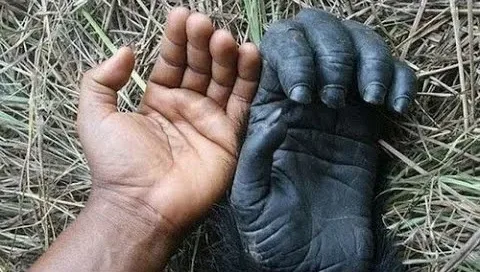
We traded power for endurance. Humans and chimps split from a common ancestor about 7 to 8 million years ago. Chimps kept muscle built for climbing, hanging and short bursts. The PNAS authors suggest human muscle shifted towards “repetitive, low-cost” work, which cost us peak force and power but made us far better at walking and running for hours.
Our read: that’s not a bad deal. A chimp wins a 10-second pulling contest. A fit man would walk it into the ground over a day. Humans are among the best long-distance animals on the planet. Here’s how we compare with a racehorse.
Could a man beat a chimp in a fight?
Our read: almost certainly not, and strength is only part of it. An adult male chimp weighs about the same as a featherweight boxer, but it has more power per kilo of muscle, long arms built for hauling its body weight up trees, a grip it uses all day, and large canine teeth. It doesn’t fight by any rules either. The old myth was wrong about the numbers, but right about the outcome.

That hasn’t stopped people trying to sell it. Here’s the story of Cole “Wavy” Johnson, the MMA fighter who said he’d fight a chimp, and why it never added up.
How strong is a chimp? FAQ
Are chimps 5 times stronger than humans?
No. That figure came from badly controlled zoo tests in the 1920s. Modern research puts chimps at about 1.35 times stronger muscle for muscle, and about 1.5 times stronger for their body size.
Why are chimps so strong?
About two-thirds of their muscle is fast-twitch fibre, and their fibres are longer. Human muscle is mostly slow-twitch, which suits endurance.
How much does a chimp weigh?
Adult males weigh about 40 to 60 kg. Females are smaller. Chimps in captivity can be much heavier.
Is a chimp stronger than a man?
For its size, yes. In a 1943 test, an adult male chimp pulled about the same weight as an adult man despite being much lighter.