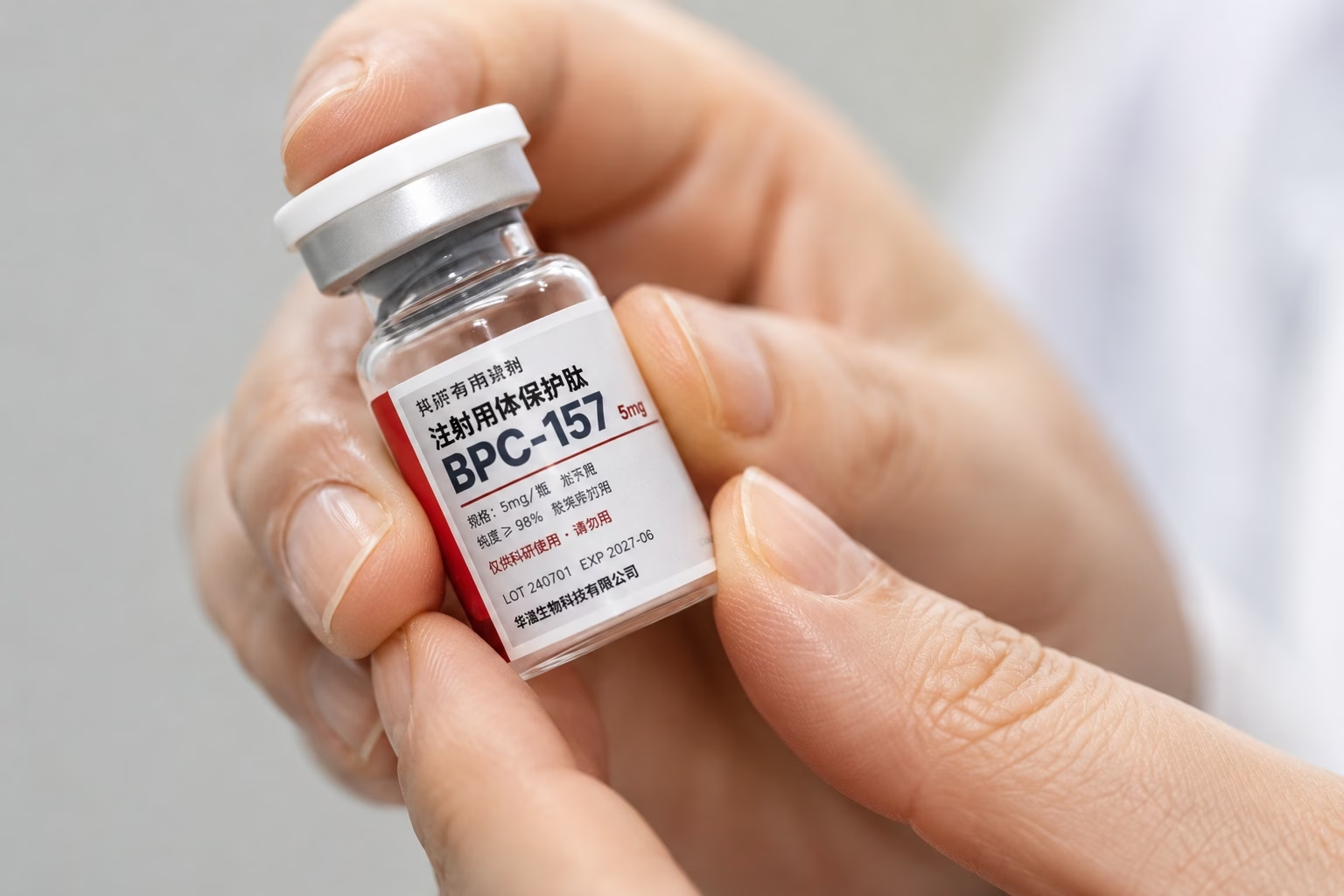

If you’ve got a vial of peptides in the fridge, you’re trusting the label. The TGA has just tested one brand and found that trust misplaced. Here’s what the lab found, what to do if you’ve bought it, and why the warnings around peptides got a lot louder in the past fortnight.
- Who: the Therapeutic Goods Administration (TGA), in a safety advisory published 5 November 2026
- Brand: Synedica, an unapproved brand; the products came to light through NSW Police’s Strike Force Antree
- Found: no detectable TB-500 in three products labelled as containing it; too little retatrutide in a fourth
- What to do: stop using it, take it to a pharmacy for disposal, see a health professional if you’re worried
- Poisons advice: 13 11 26, 24 hours a day
What the TGA found
The TGA says these Synedica products did not contain what their labels claimed:
- Synedica BPC 157 & TB 500 10 mg: no TB-500 detected
- Synedica KLOW 80 mg: no TB-500 detected
- Synedica BARBIE KLOW 100 mg: no TB-500 detected
- Synedica Retatrutide 10 mg: less retatrutide than the label stated, with significant variation between samples
The TGA says the brand has not been assessed for quality, safety or efficacy, and its place of manufacture has not been approved. NSW Police inquiries are continuing.
“When a product does not contain what the label says, consumers can simply not know what is in the substance they are injecting,” said Professor Robyn Langham, the TGA’s Chief Medical Adviser.
This warning covers the Synedica products tested. It isn’t a finding about every peptide, and approved medicines such as insulin are a different world. Our guide to what is legal sets out the difference.
The numbers are climbing
- 345 cases involving unapproved peptides were recorded by the Australian Poisons Information Centre in the first six months of 2026, more than three times the total for all of 2025 (ABC)
- 1,180 people went to NSW emergency departments after taking unapproved peptides between July 2025 and September 2026. The monthly count went from 5 to almost 220 (ABC, citing NSW Health)
- More than 94,500 unapproved peptide products have been seized and destroyed this year, according to the TGA (ABC)
NSW Health Minister Ryan Park says side effects can include liver and kidney damage, allergic reactions and severe vomiting.
The Richard Norton finding
Late last month, Victorian coroner David Ryan found that the death of Australian actor and martial artist Richard Norton, 75, “was a result of complications that arose from his use of unapproved peptide products” (ABC). Norton went into cardiac arrest after injecting CJC-1295 and ipamorelin and died at Melbourne’s Alfred Hospital on 30 March 2025. The ABC says it is believed to be the first confirmed fatality in Australia from unapproved peptide use.
Norton didn’t buy from a black-market seller. A doctor prescribed the peptides and a licensed Queensland compounding pharmacy made them. The coroner found he had been taking more than his prescribed dose. Ryan recommended the TGA review these peptides and “consider whether further restrictions ought to be imposed on their use”. The TGA says it is considering whether further measures may be appropriate.
Our read: those two stories make the same point from opposite ends. A vial from an online seller may not be what it says. And even a prescribed unapproved peptide hasn’t been through the testing that tells you what’s safe.
Peptide warning FAQ
What should I do if I have Synedica peptides?
The TGA says to stop using them, take what’s left to your local pharmacy for disposal, speak to a health professional if you have concerns, and report any suspected side effect to the TGA.
Can you tell a real peptide from a fake by looking at it?
The TGA’s results show you can’t rely on the label. We’ve reported an earlier case of a counterfeit retatrutide vial that held semaglutide.
Are peptides legal in Australia?
Approved peptide medicines are legal on prescription. The TGA says most peptide products, including BPC-157 and TB-500, are prescription-only. See what is legal and what is not and are peptides safe.
Sources: TGA safety advisory, 5 November 2026; ABC News, 19 October, 29 October and 7 November 2026. Checked 9 November 2026. This is general information, not medical advice.