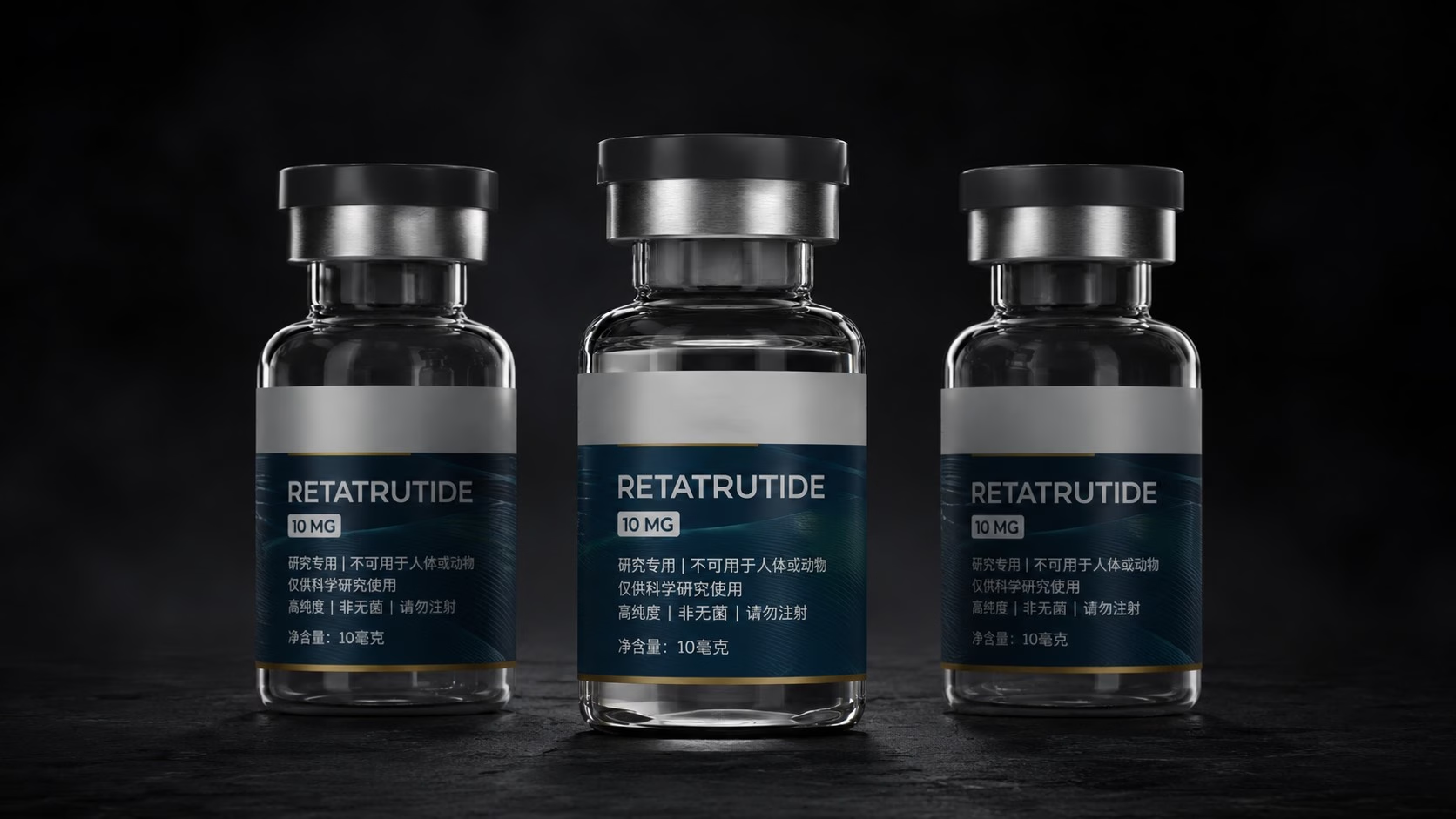
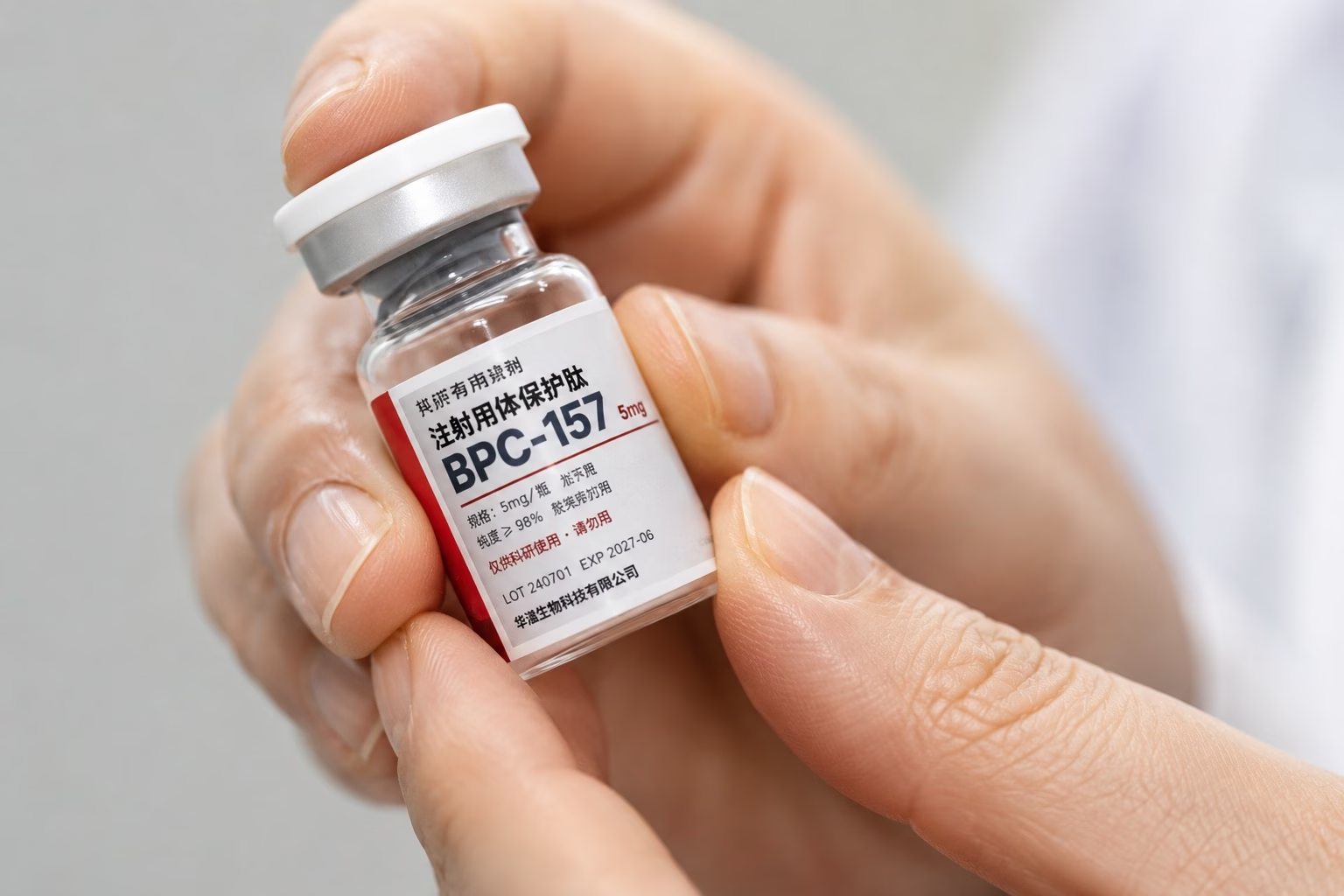
There are three ways to get a peptide into your body in Australia. One is boring and legal. One used to exist and mostly doesn’t anymore. One is where seven Victorians ended up with acute liver failure.
Here’s the map, without the hedging.
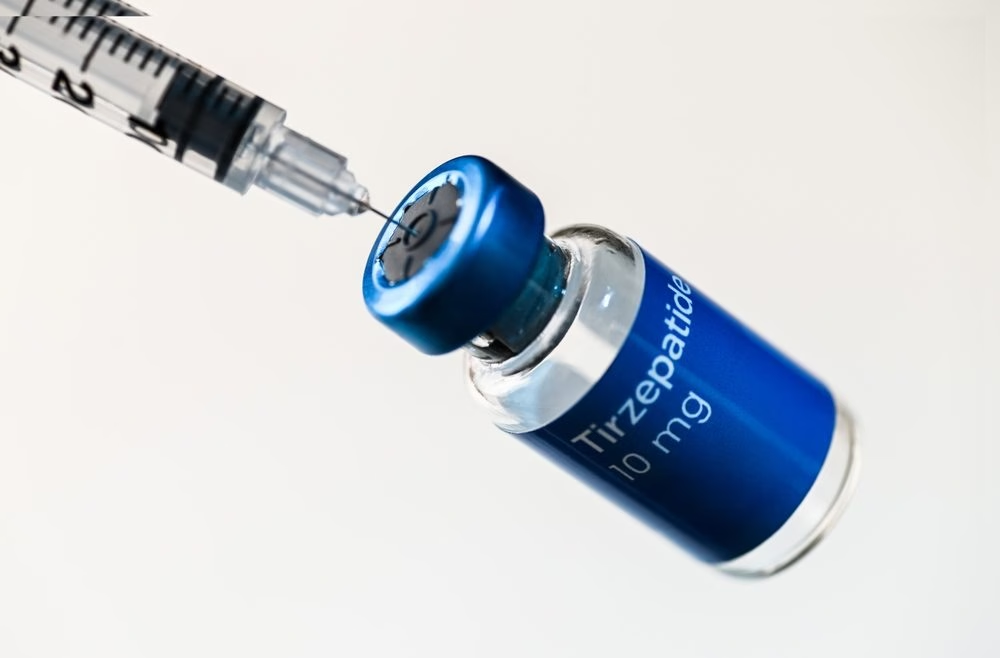
TIER ONE: Peptides with a Prescription, Through a Doctor, on the Register
Semaglutide and tirzepatide — sold as Ozempic, Wegovy and Mounjaro — are Schedule 4 prescription medicines, approved by the TGA and listed on the Australian Register of Therapeutic Goods. A GP assesses you, writes a script, a real pharmacy dispenses it. You know the dose. You know what’s in the vial. This is the only tier where both of those things are true.
Retatrutide isn’t in this tier. It’s an experimental drug still in clinical trials, not approved by the TGA, the FDA or any other regulator anywhere on earth. Anyone selling you retatrutide right now is selling you something with no approved supply chain, full stop.
TIER TWO: The Pathway That Used to Exist
For a while, compounding pharmacies could legally make their own versions of GLP-1 drugs for patients with a script — a real, if grey, middle ground. That’s largely closed now. Amendments to the Therapeutic Goods Regulations removed GLP-1 receptor agonist analogues from the pharmacist compounding exemption from 1 October 2024. Pharmacists compounding semaglutide-, tirzepatide- or retatrutide-type peptides after that date are breaking the law, with penalties running into the millions.
Non-GLP-1 peptides — BPC-157 and similar — are still technically Schedule 4 substances a doctor could theoretically prescribe. Almost none will, because the evidence base for them is thin and the legal exposure is real. In practice, tier two barely exists anymore.
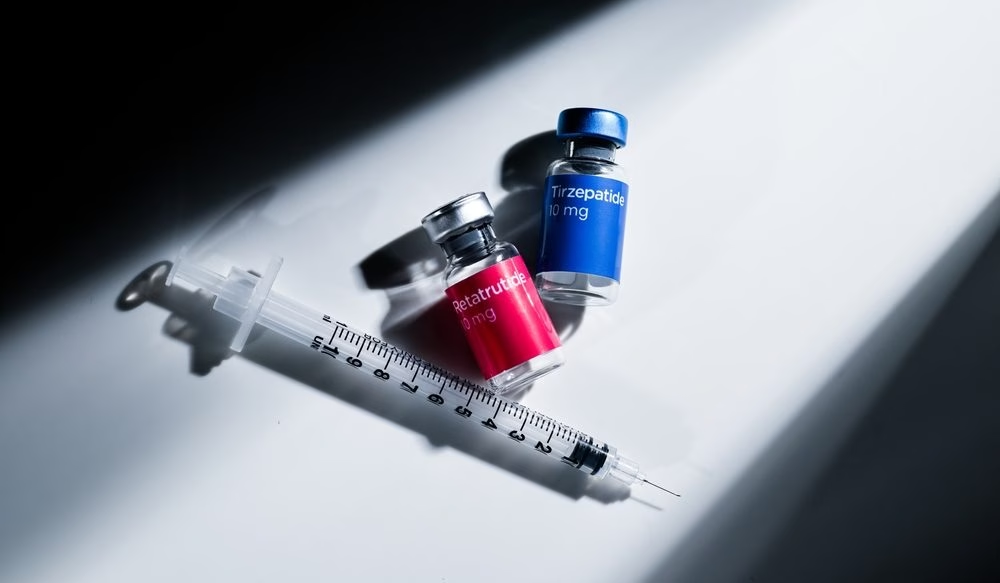
TIER THREE: Instagram, Gym mates and Beauticians with a Fridge
This is where everyone who isn’t going through a doctor actually gets their peptides, and it’s where every single one of the liver cases came from.
There is no legal pathway to import an unapproved, unscheduled research peptide for personal human use in Australia. Not a grey area, not a loophole — none exists. The Personal Importation Scheme that lets you bring in three months of a prescribed medicine doesn’t apply to a product with no prescription, no ARTG listing and no way to verify what’s actually in it. “For research use only” printed on a vial changes none of that.
That’s the environment BPC-157, TB-500, melanotan and retatrutide are being sold into — cash, DMs, gym car parks, and in one case, a beauty clinic — the same wellness pipeline pushing NMN and other anti-ageing supplements.
Seven Cases, one state, one open question
Victoria’s Chief Health Officer issued a health alert on 19 June confirming six cases of acute liver injury linked to unapproved retatrutide since January. By late August, that had risen to seven. The TGA’s chief medical adviser has floated a contaminated batch as one explanation; nothing has been confirmed.
Canberra Health Services has separately confirmed liver damage in patients who used products sold as retatrutide, without disclosing a number because the count is low. No other state or territory has reported a confirmed case. Victoria’s own health department says similar cases may exist elsewhere and simply haven’t surfaced yet.
Watch for fatigue, abdominal pain, itchy skin, dark urine, yellow eyes or skin, and easy bruising. Anyone who has used an unapproved peptide and notices any of that should see a doctor immediately, not wait it out. The Poisons Information Centre takes calls 24/7 on 13 11 26.
The actual decision
If you want a GLP-1 drug, get it from a doctor, on the register, or don’t take it. The compounded middle ground that used to soften that choice is gone for anything in the GLP-1 family. Everything else — every vial with no prescription attached to it — is tier three, whatever the seller calls it, and tier three is where the liver wards are filling up from.