
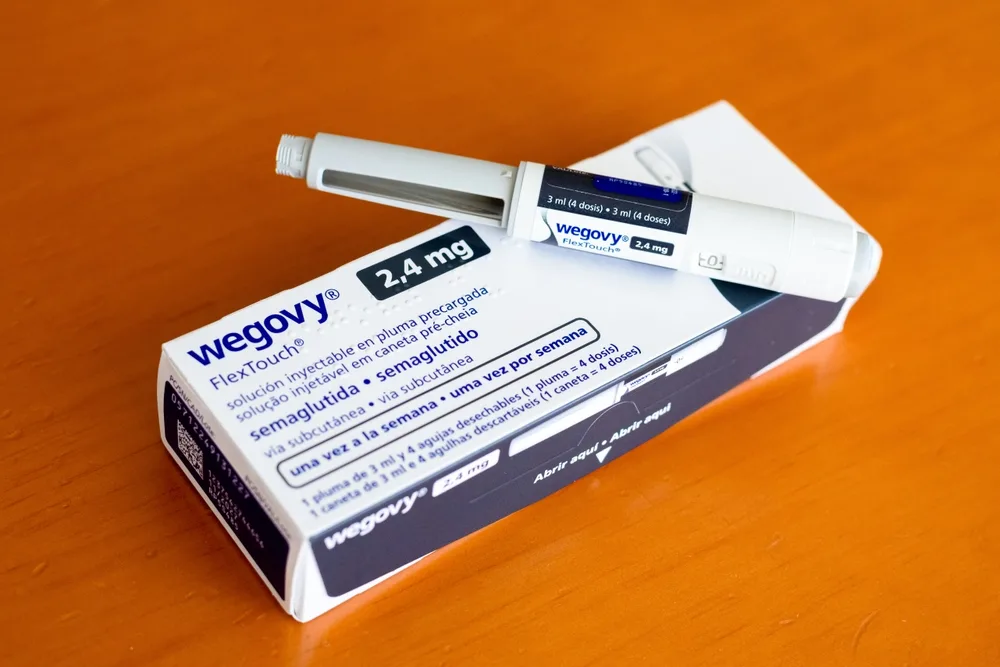
Yury did what men taking weight-loss medication are continually told to do. He trained roughly five days a week, mostly with kettlebells. He avoided junk food and fast food. He took Wegovy for six months, exactly as prescribed. He started at approximately 110 kg. Six months later, he was still approximately 110 kg.
“When you put in the effort with diet and exercise, take the medication exactly as prescribed, and still see little benefit, it is difficult not to feel disappointed,” the 57-year-old Canadian told The Guardian.

The cold doesn’t stop when you get out.
Sharkskin technical waterwear is built for the hours between the water, the boat and the shore. Warmth, wind protection and less bulk when you need it.
Up to 50% off selected styles.
While stocks last.
The drug worked, just not on his weight
Yury says the medication clearly did something. His appetite dropped, along with the constant background hum of thinking about food, what’s now widely called “food noise”. His blood sugar and cholesterol both improved.
He also copped the downsides: constipation and noticeably more sensitive skin. The drug was doing recognisable, biologically plausible things in his body. It just didn’t produce the one result he was taking it for.
Worth being clear about what’s known here and what isn’t. Yury’s exercise, diet, weight and side effects are self-reported, not independently verified. His exact dose wasn’t disclosed, and it’s not known whether he ever reached, or stayed on, a full maintenance dose. A stable number on the scale doesn’t prove his body composition didn’t shift at all underneath it, though six months of no movement is still a fair way from what most people expect.
The people missing from the miracle-drug story
The averages quoted for GLP-1 drugs are real. They’re also just averages, and averages hide a lot of people who don’t look anything like the headline number.
Depending on the drug and dose, somewhere between 9 per cent and one-third of trial participants lose less than 5 per cent of their starting weight, generally the threshold used to define a poor response. In one dataset cited by a recent Nature Medicine study, 32.2 per cent of semaglutide users landed in that category: under 5 per cent loss, or no loss at all.
That doesn’t mean a third of everyone on Wegovy is wasting their time. It means the people at the low end of the response curve are a real, sizeable group, not a rounding error, and Yury appears to be one of them.
Why older men may respond less strongly
That Nature Medicine study, a genetic analysis of nearly 28,000 self-reported GLP-1 users, gives some shape to why responses vary. Median BMI reduction came in at 12.2 per cent for women and 10 per cent for men. Each additional decade of age corresponded to roughly 0.45 kg less effective weight loss. People with type 2 diabetes saw, on average, 2.87 percentage points less BMI reduction than those without it.
Drug choice, dose, treatment duration, sex and general health all mattered more than any single gene the researchers could identify. Even accounting for everything together, their model explained only around a quarter of the variation between individuals. Most of why one person loses 20 per cent of their body weight and another loses almost nothing is still, honestly, unexplained.
Read that correctly: older men and men generally tended to lose less on average. It doesn’t mean Wegovy stops working once you turn 50.
Is GLP-1 resistance real?
There’s genuine, early genetic research here. One GLP1R variant was linked to roughly 0.76 kg of extra weight loss per copy a person carries, a real effect, but a modest one. Separate research involving Australian endocrinologist Dr Mahesh Umapathysivam identified rare PAM gene variants that blunted glucose-lowering responses to older GLP-1 drugs.
That PAM research measured blood-sugar response to exenatide and liraglutide, not weight loss on Wegovy. It’s evidence that biological non-response is worth studying, not proof of what happened to Yury.
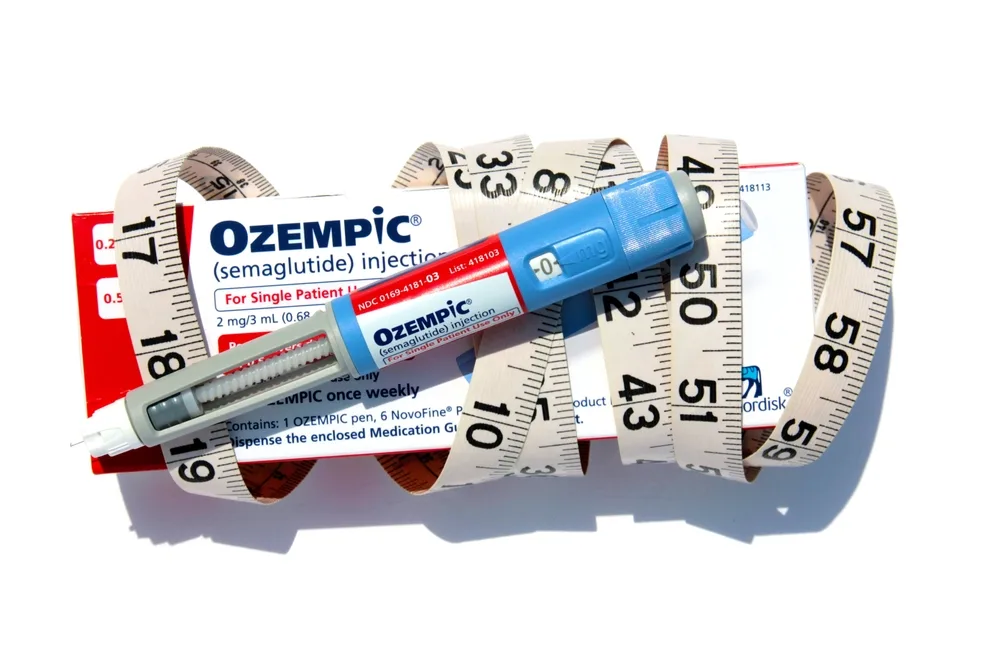
There’s no test a GP can run that reliably predicts in advance whether Wegovy, Ozempic or Mounjaro will work for a given patient. As Ulster University’s Professor Alexander Miras told The Guardian: “the short answer to why some people don’t respond is we don’t really know.”
What to do if it isn’t working
A few things are worth doing, and none involve quietly adjusting your own dose.
Don’t stop or increase medication without talking to whoever prescribed it. Confirm you’ve been on an appropriate, tolerated dose long enough to fairly judge it, since under-dosing looks identical to non-response from the outside. Go through the rest of the picture with your doctor: other medications, undiagnosed diabetes, sleep, alcohol. Look past the scale too. Waist circumference, blood sugar and cholesterol can all be improving even when total weight isn’t. A poor result on one medication doesn’t rule out every obesity treatment; other GLP-1 drugs, non-GLP-1 medications and, for some patients, bariatric surgery remain real options. If you’re weighing up peptides more broadly, it’s worth knowing what’s actually legal in Australia first.
Yury’s six months don’t disprove Wegovy. They expose the gap between an impressive trial average and the actual man standing on the scales, doing everything he was told to do.
If you’ve trained properly, eaten properly and taken the medication exactly as prescribed, and the number still hasn’t moved, that isn’t automatically a discipline problem. As Professor Miras put it: if the drug doesn’t reduce hunger and food intake for you, it isn’t going to work. Sometimes the drug simply didn’t do its job well enough for your particular body, not that you didn’t do yours.