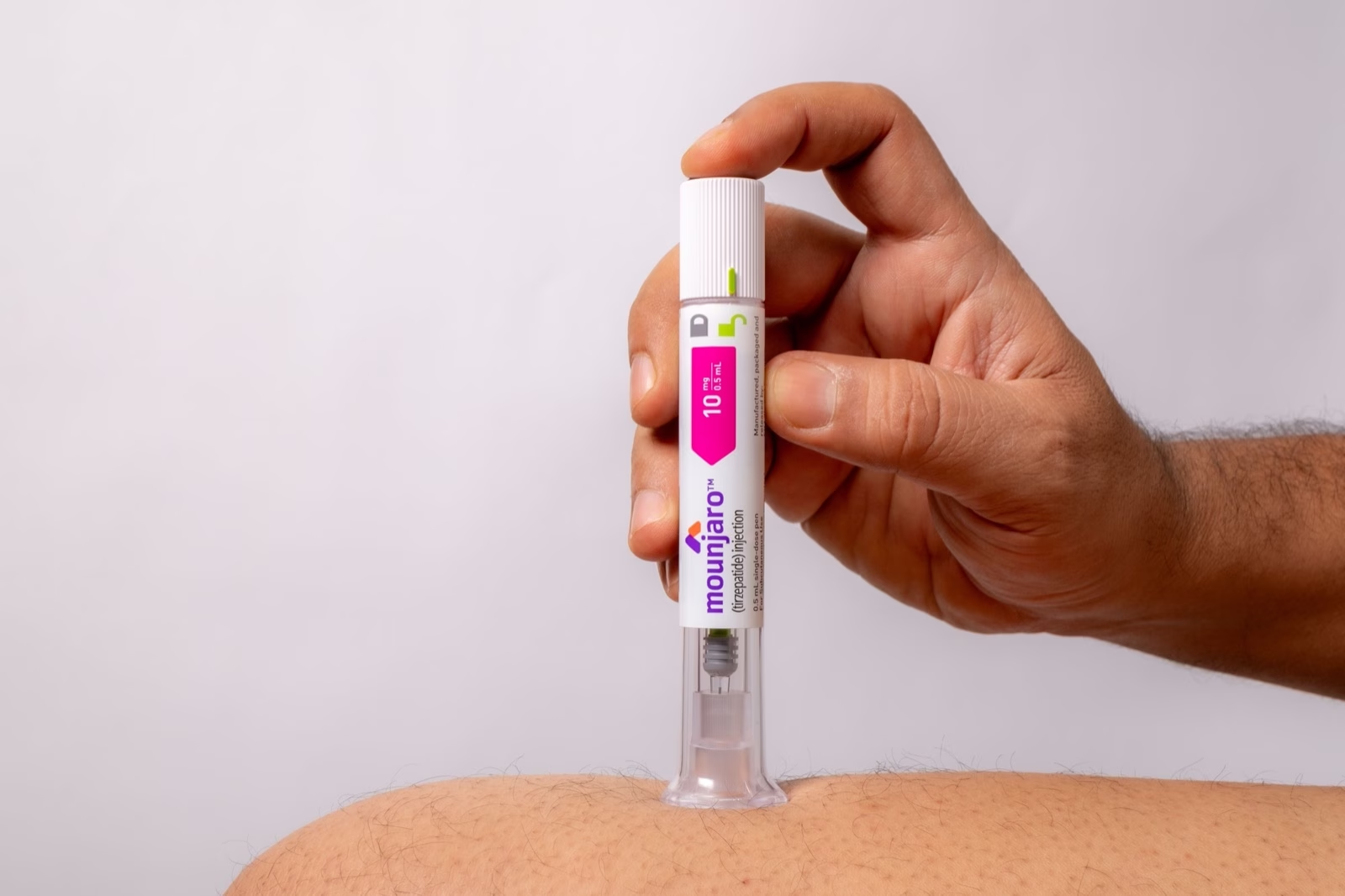

On Mounjaro or Ozempic and watching the scales fall? Good on ya. The bad news is that some of what you’re losing is muscle, and with it strength. A new Australian trial has tested the obvious fix head to head: give everyone the drug, and put half of them on the weights. Here’s what happened, and what it means for your own training.
- Study: Tirzepatide and Resistance Exercise (T-REx), University of Western Australia, published in Nature Medicine on 10 November 2026
- Who: 120 men and post-menopausal women aged 50 to 70, obese or overweight with a weight-related health problem, no type 2 diabetes
- Drug: tirzepatide (Mounjaro) for 40 weeks; half also did three resistance-training sessions a week
- Weight lost: about 22 kg in both groups
- Muscle: the lifters lost 25% less lean mass
- Strength: up 10% in the lifters, down 10% in those who didn’t train
Does GLP-1 cause muscle loss?
Yes, some. But so does every other way of losing weight. “Loss of lean mass, including muscle, is an inevitable part of weight loss by any method, whether through diet and exercise alone, or medical or surgical interventions,” said lead investigator Winthrop Professor Danny Green, of UWA’s School of Human Sciences and HealthSpan Institute.
The worry with GLP-1 drugs is scale and speed. Green says they now cut body weight by an average of 20 to 25 per cent, and more in many people. Lean mass is everything that isn’t fat: muscle, organs, bone, skin and water. Muscle mass is mostly the skeletal muscle you train.
What the T-REx trial found
Everyone took tirzepatide, sold as Mounjaro, for 40 weeks. Half also did three resistance (weight) training sessions a week. All of them got general advice on hydration, protein and fibre.
| After 40 weeks | Result |
|---|---|
| Weight lost: drug + weights | 22.28 kg |
| Weight lost: drug only | 22.61 kg |
| Fat lost: drug + weights | 17.98 kg |
| Fat lost: drug only | 17.19 kg |
| Lean mass lost | 25% less with weights |
| Strength: drug + weights | up 10% |
| Strength: drug only | down 10% |
So the drug did the weight loss on its own. The weights decided what kind of weight came off. Green told Yahoo News Australia that people on the drug alone lost up to about 5 kg of lean tissue and muscle, which he likened to about 10 years of ageing.
The strength result is the big one: a 20-point gap between the groups. Our read is that strength, more than the number on the scales, is what keeps you independent as you age. “The goal should be improved health and function, not just a lower number on the scales,” Green said.
Why men should care
Men were the hard part to recruit. In April 2025 the team had signed up 60 women and 40 men and went looking for 20 more men (UWA). Co-lead Professor Bu Yeap called it “a tremendous opportunity for 20 men who need to lose a bit of excess weight for health reasons”.
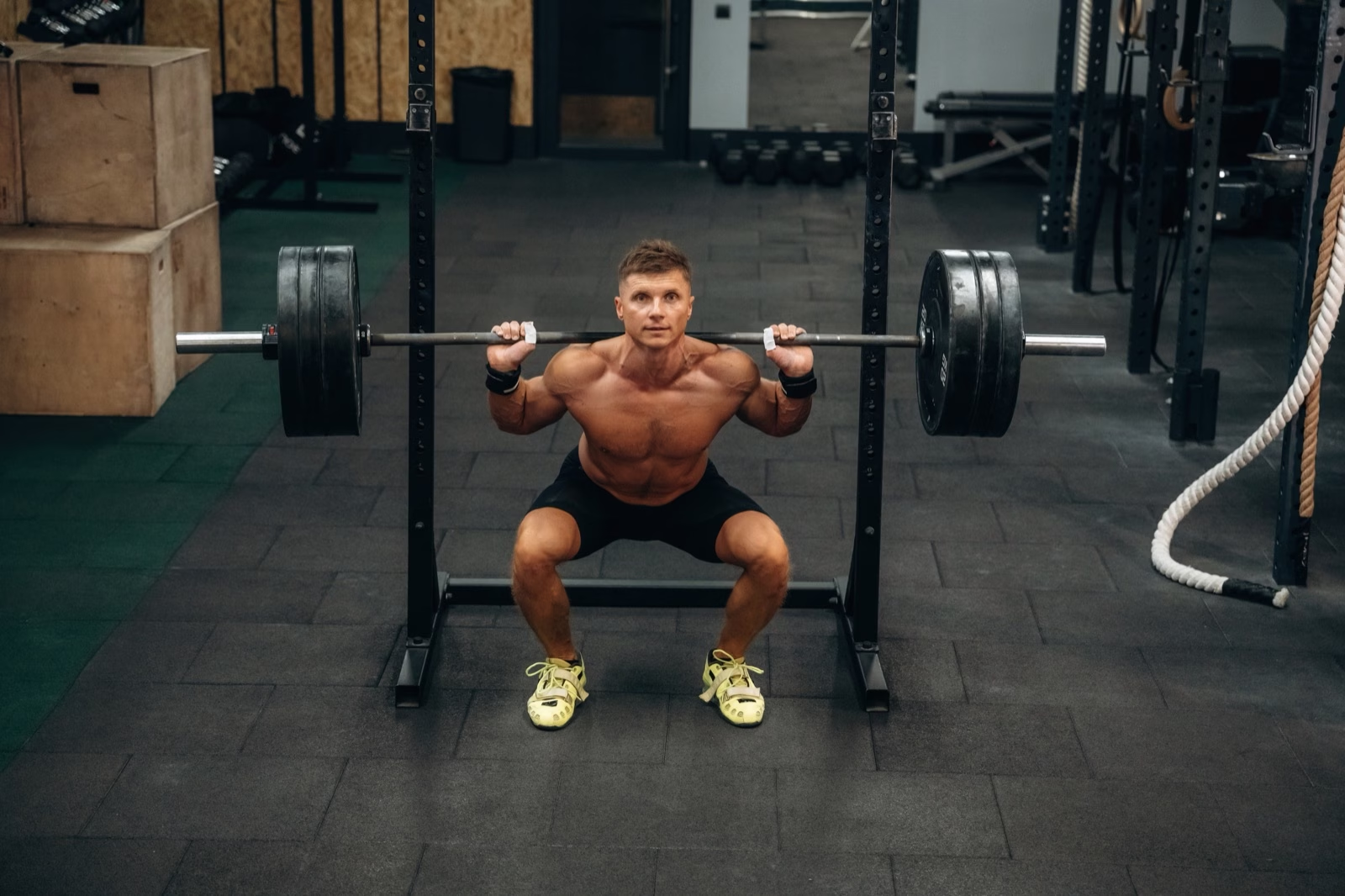
Our read: the men most likely to be on these drugs are over 50, and that’s exactly when muscle and strength are hardest to win back. We’ve written about why lifting is linked to a longer life, and about Yury, 57, who trained five days a week on Wegovy and still struggled. If you’re on a GLP-1, the weights aren’t optional extras.
How to keep muscle on Mounjaro or Ozempic
The trial tested tirzepatide, not semaglutide (Ozempic and Wegovy), so it doesn’t prove the same result on those drugs. But the advice is the same: lean mass goes with any big weight loss, and lifting is what protects it.
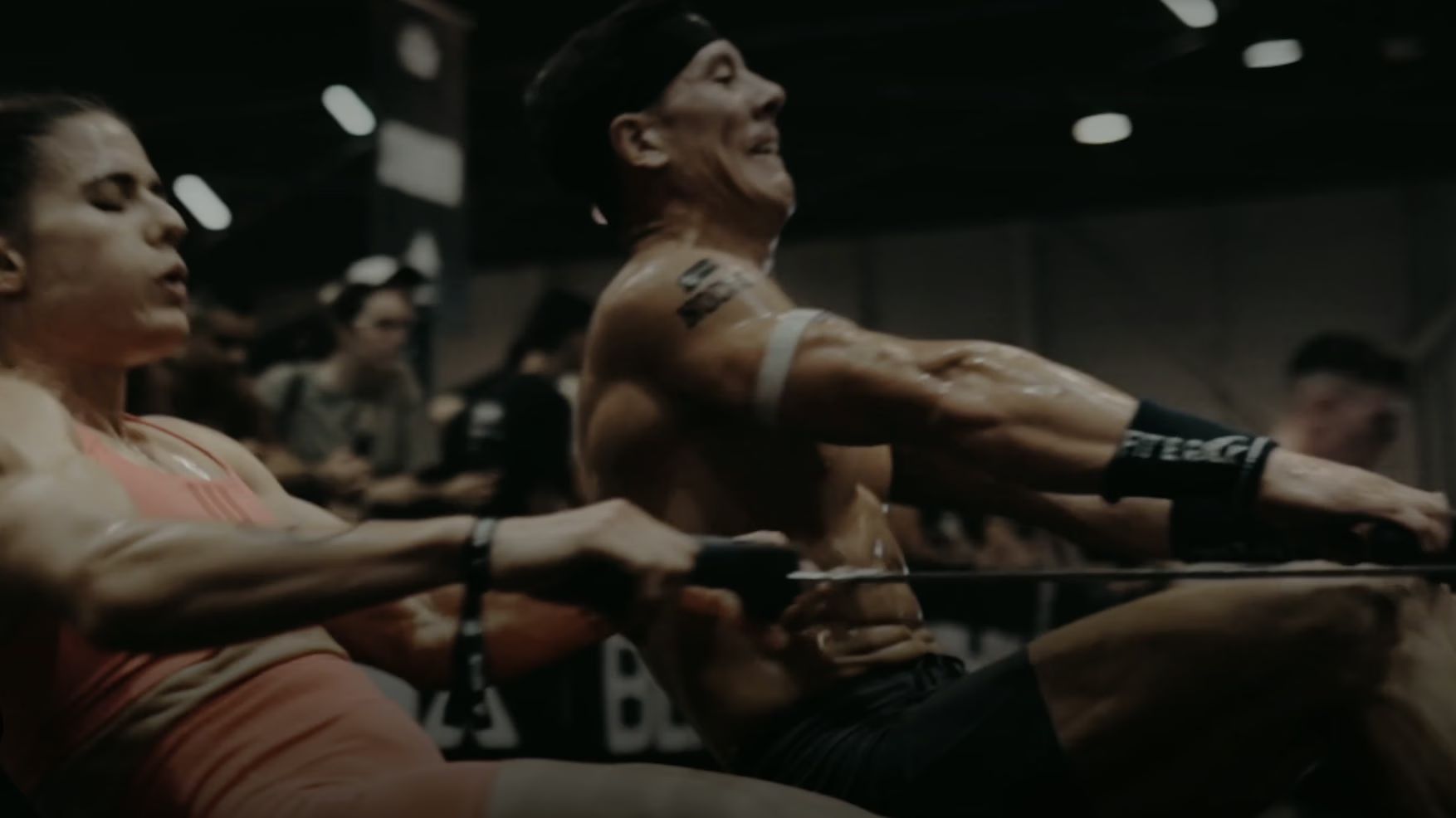
- Lift three times a week. That’s what the trial group did, supervised by an exercise physiologist in UWA’s gym (UWA). Australia’s guidelines ask every adult for at least two days of muscle-strengthening work (Department of Health)
- Train the big muscles. Legs, hips, back and chest: squats such as the front squat, hinges such as the glute bridge, and rows such as the renegade row
- Track a lift, not just your weight. If your squat or row is going up while the scales go down, you’re keeping the muscle that matters
- Eat your protein. The drug cuts your appetite, so make the food you do eat count. Start with our high-protein foods list
- Tell your prescriber you’re training, especially if you’re new to it or have a heart condition
Who paid for it
T-REx was an investigator-initiated study. Eli Lilly, which makes tirzepatide, provided the drug free of charge but wasn’t involved in the design, running or analysis of the trial, UWA says. It’s registered as ACTRN12623001236684.
For the bigger picture on these drugs, see our explainers on the Wegovy pill in Australia and an experimental drug that targets fat without the appetite hit.
UWA’s HealthSpan Institute is holding a free public lecture on GLP-1 drugs and the T-REx results from 6pm to 9pm on Thursday 26 November at the UWA Business School’s Wesfarmers Lecture Theatre in Perth. Tickets are free, but you need to register.
GLP-1 muscle loss FAQ
Does Mounjaro cause muscle loss?
Some, as with any big weight loss. In T-REx, people on Mounjaro who did resistance training lost 25% less lean mass than those who didn’t, and got stronger instead of weaker.
How do you prevent muscle loss on Ozempic?
Lift weights regularly and eat enough protein. T-REx tested Mounjaro, not Ozempic, but loss of lean mass happens with any weight loss, and resistance training is the best-tested way to limit it.
How often should you lift on a GLP-1?
The trial group trained three times a week. Two days is the minimum in Australia’s guidelines for all adults.
Do you lose less weight if you lift?
No. Both groups lost about 22 kg. The lifters kept more of their muscle and got stronger.
Sources: University of Western Australia media release, 10 November 2026; Yahoo News Australia; UWA, April 2025; ANZCTR trial registration. Checked 10 November 2026. This is general information, not medical advice.