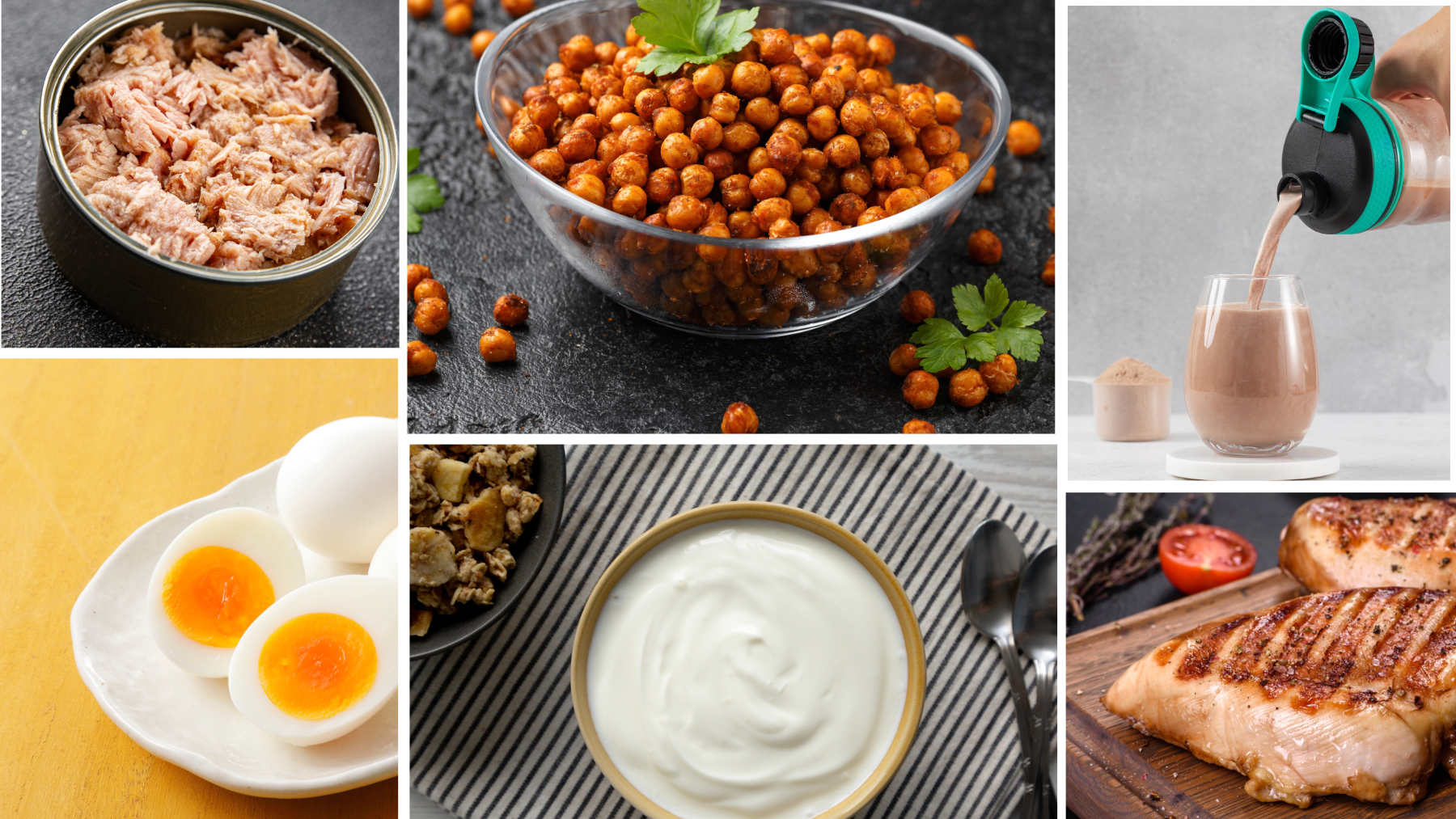

Chicken breast, eggs, Greek yoghurt and tinned fish all pack 20–30g of protein per 100g, with lentils and tofu the best plant-based options at 8–17g. Most active men need 1.6–2.2g per kg of bodyweight a day (roughly 130–190g for an 80kg man) — the tables below break down exactly what that looks like across meat, dairy, plants and snacks.
How Much Protein Do You Actually Need?
The baseline Australian dietary guideline (NHMRC) puts the recommended intake at roughly 0.75g per kg of bodyweight for women and 0.84g per kg for men — enough to prevent deficiency, not enough to optimise for training.
If you lift weights, run, or are actively trying to build or hold onto muscle while losing fat, sports nutrition research (the International Society of Sports Nutrition’s position stand, among others) points to somewhere between 1.6g and 2.2g per kg of bodyweight per day as the more useful target.
For an 85kg man, that’s roughly 136–187g of protein a day — a real number, not a vague “eat more protein” gesture, and the reason the foods below are listed with actual grams per serve rather than vague descriptions like “excellent source.”
Want your own exact number instead of doing the maths by hand? Our macro calculator works out your daily protein, carb and fat targets from your weight, activity level and goal.
High Protein Animal Foods (Meat, Fish, Eggs)
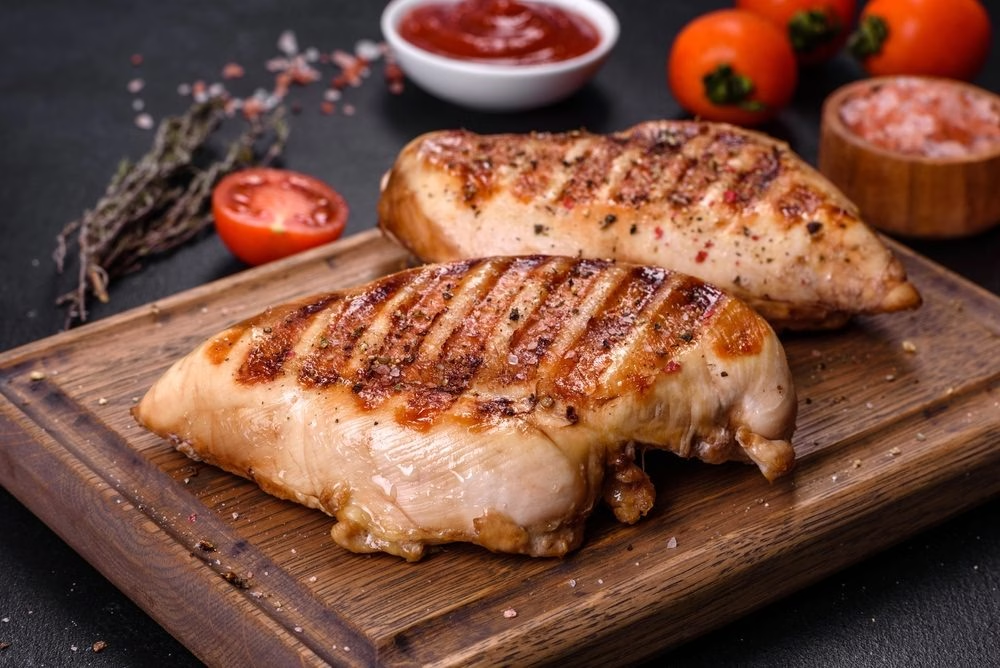
Lean meat, poultry and seafood remain the most protein-dense, lowest-effort options — no combining foods for a complete amino acid profile required.
| Food (cooked, per 100g) | Approx. protein |
|---|---|
| Chicken breast, skinless | ~31g |
| Turkey breast | ~29g |
| Lean beef (e.g. eye fillet) | ~27g |
| Tuna, canned in spring water | ~26g |
| Salmon | ~25g |
| Prawns | ~24g |
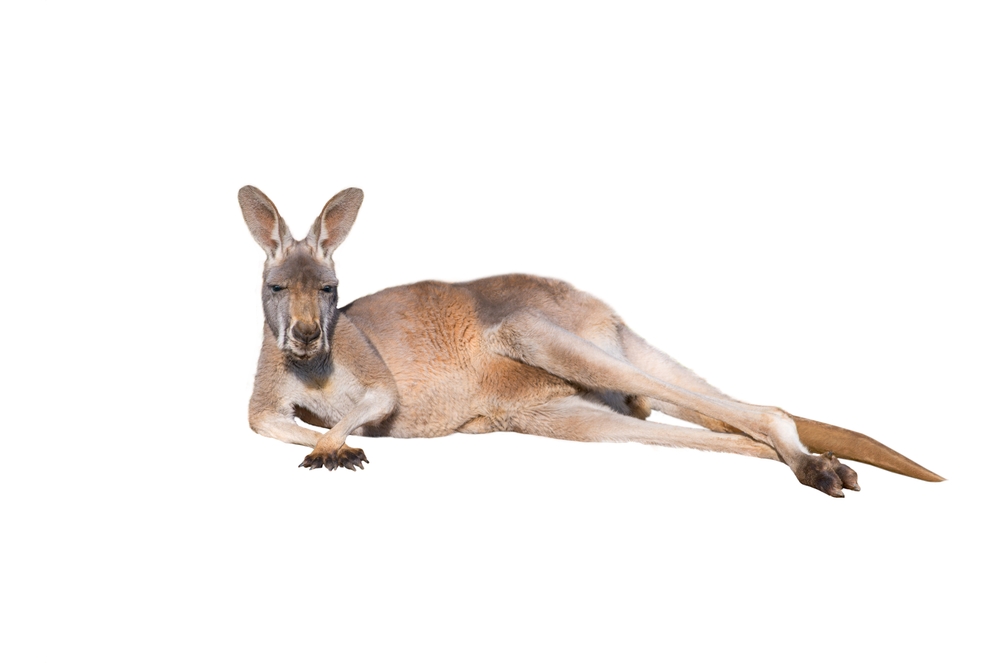
| Kangaroo fillet | ~22g |
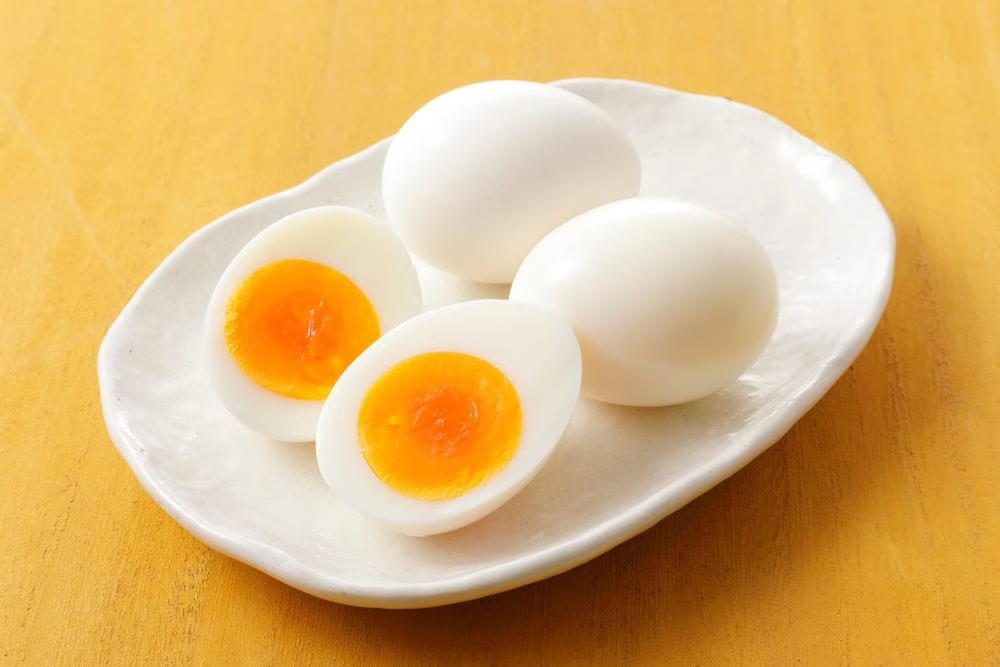
| Eggs, whole | ~13g (~6g per large egg) |
Kangaroo is worth calling out specifically for an Australian audience — it’s one of the leanest red meats available (typically under 2% fat) while still landing near the top of this list, and it’s routinely overlooked by the generic international “high protein foods” lists that dominate search results.
High Protein Dairy
| Food (per 100g) | Approx. protein |
|---|---|
| Cheddar cheese | ~25g |
| Cottage cheese | ~11–13g |
| Greek yoghurt (standard) | ~9–10g |
| Greek yoghurt (high-protein brands) | ~15–17g |
| Milk, regular | ~3.4g |
Cottage cheese and Greek yoghurt are the two most useful entries here — cheap, versatile, and easy to eat in 200–300g servings without much effort, which matters more for hitting a daily target than a marginally higher per-100g number you’ll never actually eat that much of.
High Protein Plant-Based and Vegetarian Foods
Plant sources generally land lower per 100g than meat, but tempeh, tofu and edamame get close, and legumes stack up fast across a full day of eating.
| Food (per 100g) | Approx. protein |
|---|---|
| Tempeh | ~19g |
| Peanut butter | ~25g |
| Almonds | ~21g |
| Pumpkin seeds | ~19g |
| Tofu, firm | ~12–17g |
| Edamame | ~11g |
| Lentils, cooked | ~9g |
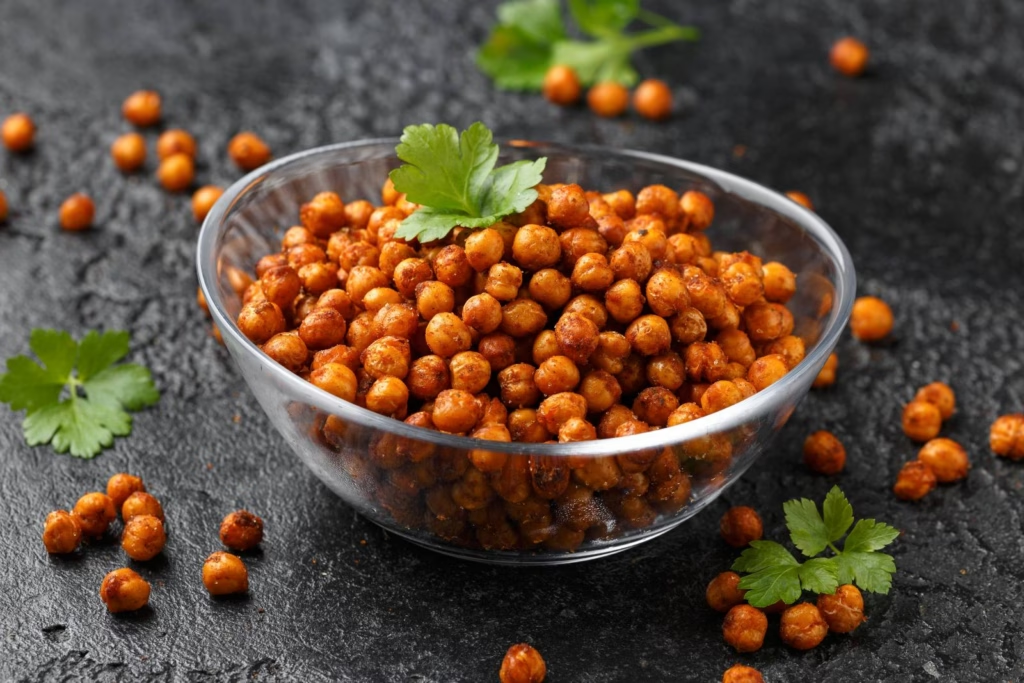
| Chickpeas, cooked | ~9g |
| Black beans, cooked | ~8–9g |
| Quinoa, cooked | ~4.4g |
Going fully plant-based isn’t automatically a problem for muscle maintenance, but it does require deliberately eating more total protein to compensate for lower density and digestibility — a recent randomized controlled trial found older adults on a self-selected vegan diet lost over a kilogram of lean mass in just 12 weeks largely because they didn’t compensate for that gap. Tofu, tempeh, and legumes stacked across multiple meals — not just one “protein meal” a day — is the practical fix.
High Protein Snacks
For the moments between meals, protein-dense snacks matter more than protein-dense meals — they’re what stop a 3pm energy crash turning into a packet of chips. We’ve built a full breakdown of 15 high-protein snacks that actually keep you full, including low-calorie and vegetarian options.
What About Protein Powder?
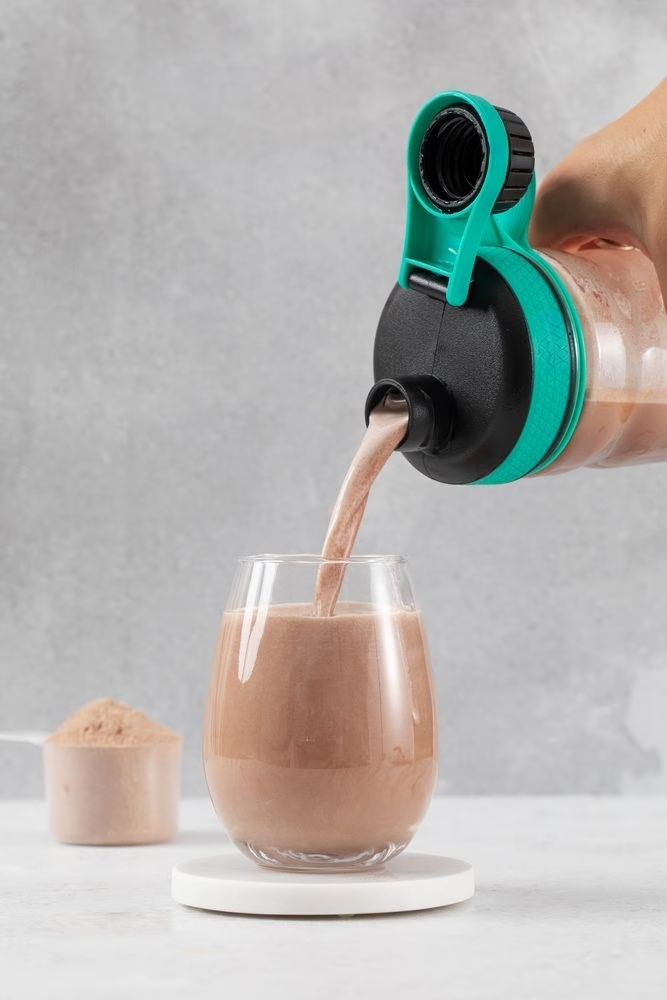
Protein powder isn’t a “high protein food” in the same sense as the foods above — it’s a concentrated supplement, typically 70–90g of protein per 100g of powder — but it’s the easiest way to close a gap without eating another chicken breast. If you’re deciding between whey concentrate and isolate, we’ve broken down the actual difference and which is worth the extra cost. High-protein milk is a lower-effort middle ground worth knowing about too — we looked at whether it’s genuinely useful or just marked-up milk. Not sure which supplements are actually worth adding on top of food? Our supplement finder narrows it down to what fits your goal.
Building a High-Protein Day
Hitting 140–180g of protein a day is less about one perfect meal and more about not leaving any meal near-empty. A practical pattern: eggs or Greek yoghurt at breakfast (we’ve got a full high-protein breakfast breakdown here), a palm-sized serve of meat, fish or tofu for lunch and dinner, and one or two of the snacks above filling the gaps. Spread that way, across four or five eating windows instead of one or two, most people land near their target without ever feeling like they’re “on a diet.”
High Protein Foods FAQ
What’s the single highest protein food?
Among whole foods, lean chicken breast and turkey breast sit at the top for practicality — around 30g per 100g with almost no fat. Parmesan cheese technically ranks higher (around 35–38g per 100g) but you’re realistically eating 20g of it, not 100g, so it contributes far less to your actual daily total.
Can you get enough protein from plants alone?
Yes, but it takes more deliberate planning than an omnivorous diet — combining varied sources (legumes, soy, grains, nuts) across the day, and eating a higher total volume of food to hit the same protein number, since plant sources are generally less protein-dense per 100g. The research above on vegan diets and lean mass loss in older adults is a case study in what happens when that compensation doesn’t happen, not evidence that plant-based eating itself is the problem.
Is it possible to eat too much protein?
For most healthy adults, no — research hasn’t found meaningful harm at intakes up to around 2–2.5g per kg of bodyweight, well above what most people actually eat even when deliberately trying. The exception is anyone with existing kidney disease, who should get individual advice from a doctor or dietitian rather than following general guidance.