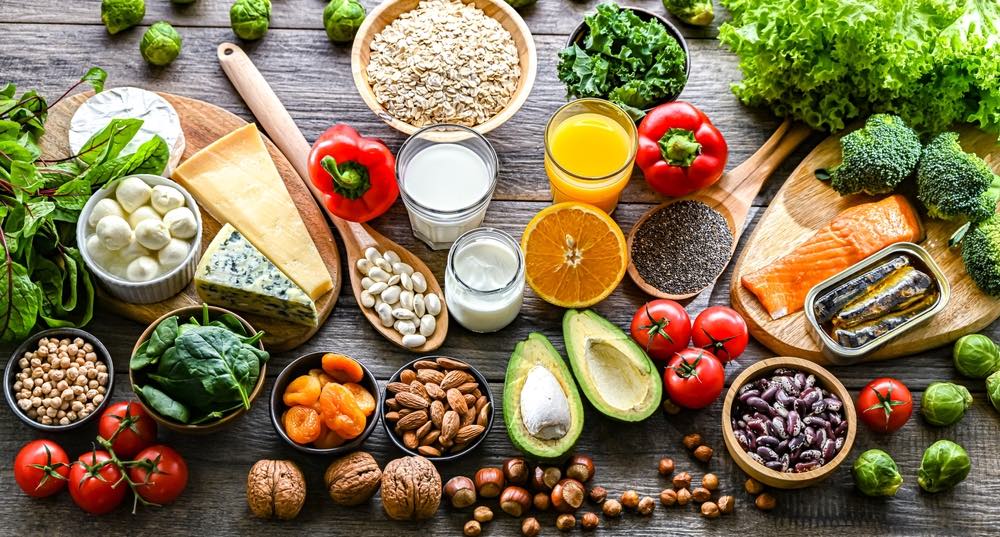

Seventy-two healthy adults over 65 spent 12 weeks on one of three diets: their normal omnivorous eating pattern, a self-selected vegan diet with no dietitian planning it for them, or that same self-selected vegan diet paired with resistance training twice a week. Researchers at Wageningen University scanned their thighs by MRI and their whole bodies by DEXA before and after.
The vegan-only group lost 1.15 kg of appendicular lean mass — the muscle on your arms and legs — and 0.61 litres of thigh muscle volume. Both losses ran to roughly 6 per cent in just 12 weeks. Their dietary protein intake fell by somewhere between 20 and 28 grams a day, even though they weren’t eating any less overall. The calories were there. The protein wasn’t.
It isn’t the vegetables. It’s the maths.
This is not a story about plants being bad for muscle. What happened here is closer to what happens to a lot of people who change their diet without changing their maths: total protein quietly drops, and for someone over 65 that matters far more than it would at 25.
Muscle in older adults is less responsive to the protein you do eat — a phenomenon researchers call anabolic resistance — which means the margin for error on protein intake gets smaller with age, not bigger. Cut it by 20-plus grams a day for 12 weeks without doing anything else to compensate, and the body will find muscle to reclaim.
The One Thing
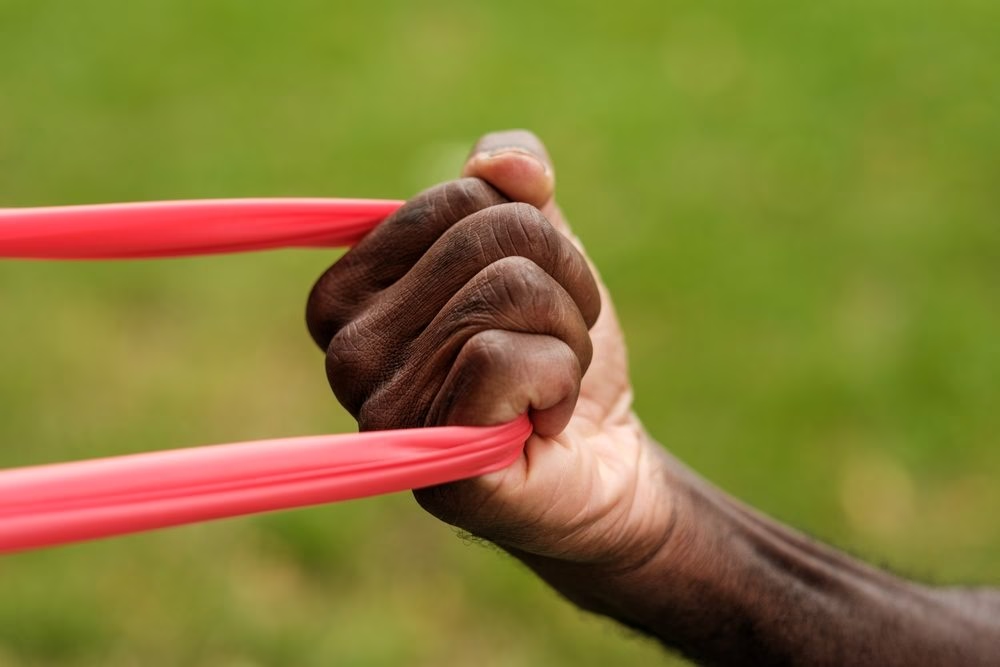
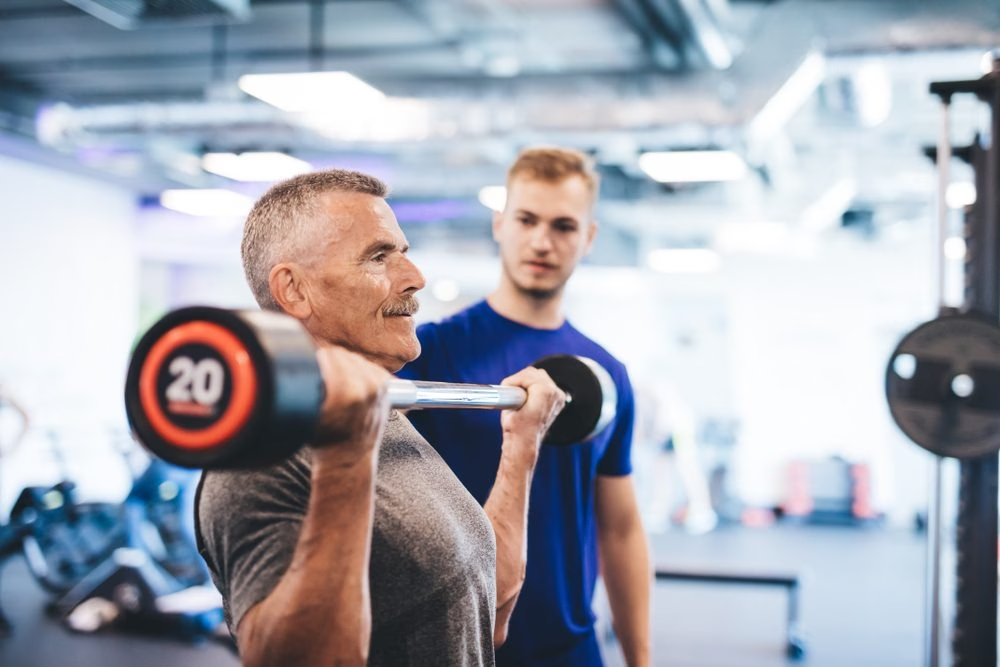
The third group in the trial did the same self-selected vegan diet, with the same protein shortfall, and added two resistance training sessions a week. Training substantially blunted the drop in thigh muscle volume, and that group posted real strength gains that the vegan-only group didn’t get anywhere near. Same diet mistake. Very different outcome.
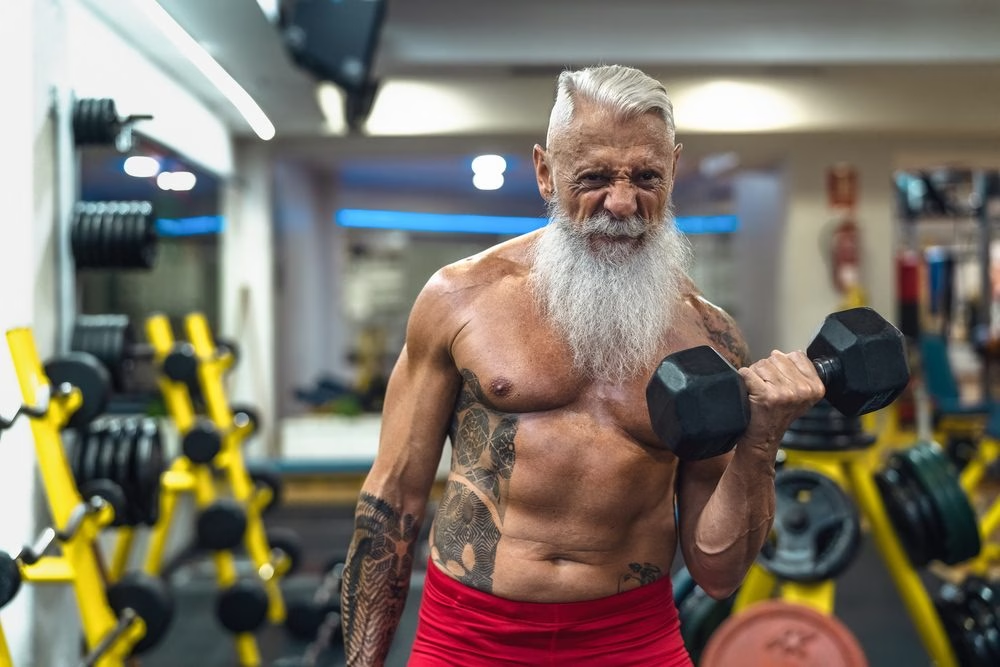
That’s the actual finding worth taking home, and it isn’t “don’t go vegan.” It’s that resistance training isn’t a nice-to-have alongside a diet change once you’re past 60 — it’s the thing that decides whether a dietary misstep costs you muscle or barely registers. The moment you change what you eat, especially in a direction that risks your protein intake, lifting stops being optional insurance and starts being the policy that actually pays out.
The fine print
The people in this trial were healthy, non-frail and already reasonably active — better placed to absorb a dietary misstep than someone starting from a weaker baseline. The researchers themselves flag that a less active or more clinically vulnerable older adult making the same change could lose more, not less. Twelve weeks is also short; nobody’s claiming a lifetime vegan diet does this to everyone who eats one properly. But as a live demonstration of how fast unmonitored protein intake can cost you muscle after 65 — and how directly resistance training offsets it — it’s about as clean a natural experiment as you’ll find.
Source: Domić et al., “A self-selected vegan diet reduces skeletal muscle mass in healthy older adults: a randomized controlled trial,” American Journal of Clinical Nutrition, 2026.