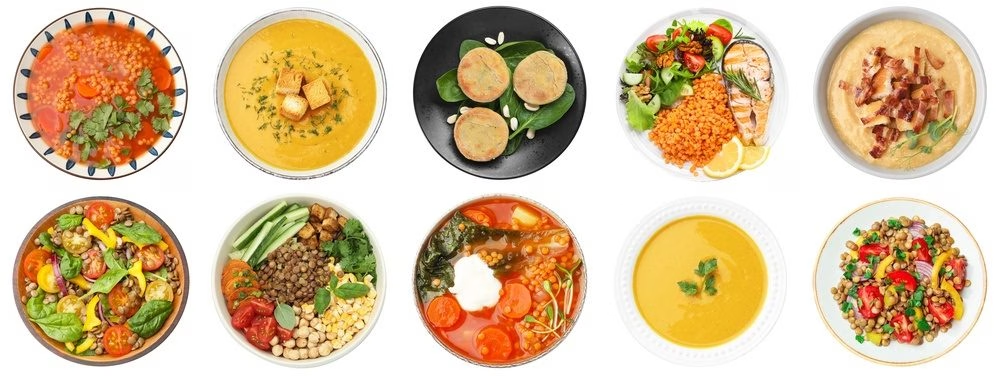

Lentils, tofu, tempeh, chickpeas, cottage cheese and Greek yoghurt all pack 15–25g of protein a serve, and pairing two of them — tofu plus edamame, lentils plus yoghurt — is how most of the meals below hit 25–35g without meat. Vegetarian doesn’t mean low-protein once you stop relying on one ingredient to do all the work.
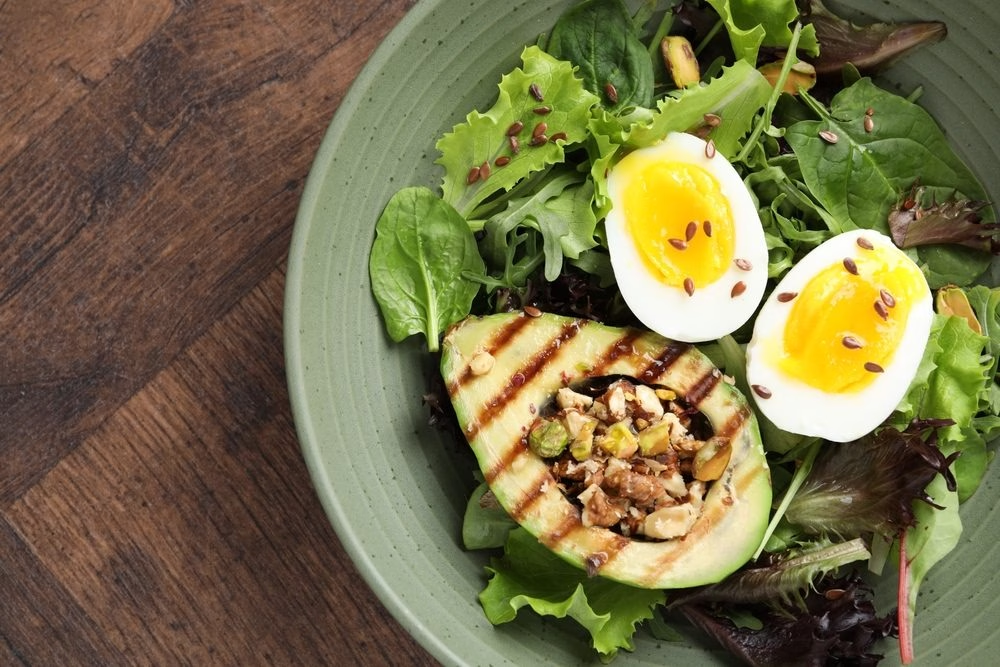
Why Vegetarians Need to Be Deliberate About Protein
Cutting meat doesn’t automatically cut your protein — eggs, dairy and legumes can get you there. But it does remove the easiest, most calorie-efficient sources, so the margin for error shrinks. Miss the target consistently and the risk isn’t just feeling under-fuelled — a recent randomized trial found older adults on a lower-protein plant-based diet lost meaningfully more lean mass than a matched group who compensated properly, detailed here. The fix isn’t abandoning vegetarian eating, it’s building meals around a real protein anchor every time, not treating vegetables as the main event.
For the full picture on protein targets and which whole foods carry the most per 100g (vegetarian and otherwise), see our complete high protein foods guide. This page assumes you already know the target and covers what to actually cook.
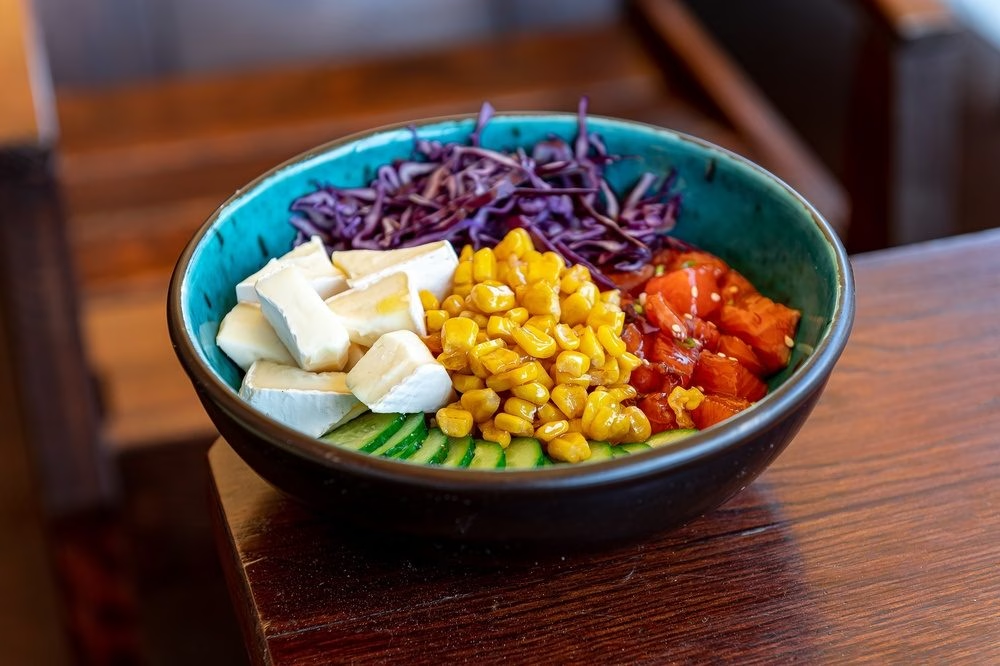
10 High Protein Vegetarian Meals
| Meal | Approx. protein | Why it works |
|---|---|---|
| Lentil and quinoa dhal with a dollop of Greek yoghurt | ~28g | Lentils and quinoa are both complete-ish on their own; the yoghurt tops it up further |
| Tofu and edamame stir-fry with brown rice | ~32g | Two soy-based proteins in one bowl, no dairy or eggs needed |
| Three-bean chilli topped with cottage cheese | ~26g | Cheap, freezes well, cottage cheese adds protein without heat |
| Paneer and chickpea curry | ~30g | Paneer holds its texture better than most cheeses when cooked hard |
| Black bean and cheese quesadillas | ~24g | Ready in under 10 minutes, easy to scale up for a training week |
| Tempeh Buddha bowl with peanut sauce | ~27g | Tempeh is denser in protein than tofu for the same weight |
| Chickpea and grilled halloumi salad | ~25g | Halloumi’s salty bite means it doesn’t need much else to taste finished |
| Lentil or chickpea pasta with parmesan | ~35g | Legume-based pasta roughly doubles the protein of regular pasta before you add cheese |
| Loaded baked potato with cottage cheese and black beans | ~24g | The lowest-effort dinner on this list — nothing to actively cook beyond the potato |
| Greek yoghurt and peanut butter protein shake | ~35g | Fastest option here, and a genuine meal replacement when time is tight |
None of these need specialty ingredients beyond what a normal supermarket stocks. The pattern is the same one that works for any high-protein meal: pick a real anchor — legumes, tofu, tempeh, dairy or eggs — and build the rest of the plate around it, rather than hoping vegetables alone will close the gap. If you eat meat too, our general high protein meals guide covers the same approach with more options.
Making It Fully Vegan
Seven of the ten meals above are vegan as written or with a one-ingredient swap — skip the yoghurt on the dhal (or use a plant-based yoghurt), skip the cheese on the quesadillas, and use a plant-based protein powder in the shake. Paneer and halloumi are the two that need a genuine substitute (extra-firm tofu holds up reasonably well grilled). Going fully vegan doesn’t change the underlying math — it just narrows the anchor list to legumes, tofu, tempeh and seitan, which makes hitting 25g+ per meal marginally harder, not impossible.
Protein Powder for Vegetarians
Whey is vegetarian (it’s a dairy by-product, not meat), so it’s still the simplest option if you eat dairy at all — the shake idea above uses it for exactly that reason. If you’re deciding between whey concentrate and isolate, we’ve compared the actual difference and which is worth the extra cost. Only fully vegan eaters need to look at pea, soy or rice-blend powders instead. If you’re not sure how much protein you actually need across the day, our macro calculator will work out a real number from your weight and goal.
Pairing meals with the right start to the day matters too — if breakfast is the meal you’re currently getting wrong, see our high protein breakfast guide for ten more ideas in the same format.
High Protein Vegetarian Meals FAQ
Can vegetarians get enough protein to build muscle?
Yes, provided total daily intake actually hits target — roughly 1.6–2.2g per kg of bodyweight, the same range as for anyone training. Eggs and dairy make this considerably easier than fully vegan eating does, since they’re complete proteins with no combining required.
Do I need to combine proteins in the same meal?
Not in the same meal — that’s an outdated rule. What matters is hitting your full amino acid profile across the day, not every plate. Eating a varied mix of legumes, grains, dairy and eggs across a normal week covers it without any deliberate pairing.
What’s the easiest high-protein vegetarian meal with no cooking?
The Greek yoghurt and peanut butter shake, or a loaded baked potato if you’ve got one already cooked — both are assembly rather than cooking and land at 24g+ of protein.