Walk into any supplement store and whey protein starts looking more complicated than it needs to be. WPC. WPI. Hydrolysed. Grass-fed. Lean. Mass. Shredded. Ripped. Some of it sounds like protein. Some of it sounds like a nightclub in 2006.
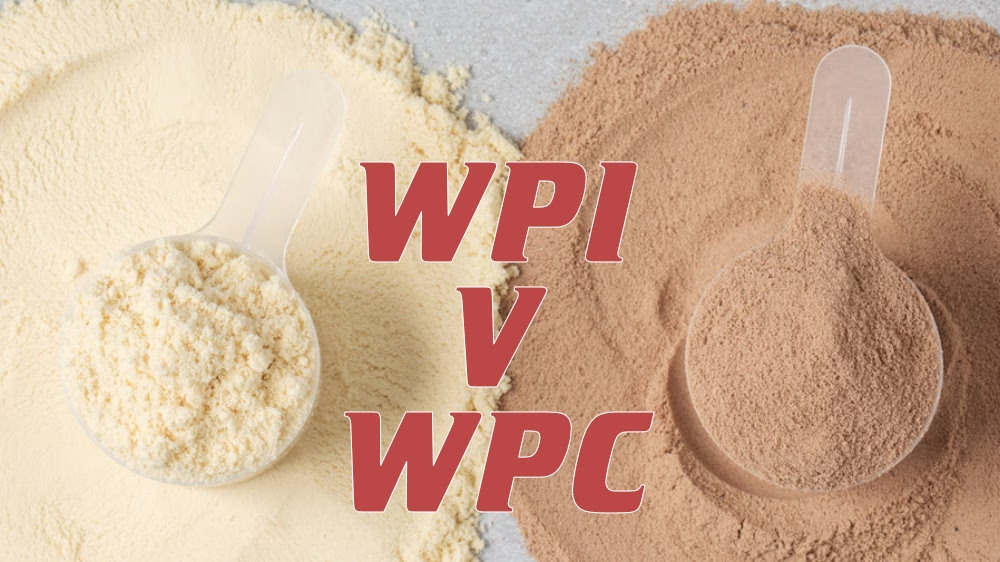
They all boil down to Whey Protein Isolate (WPI) and Whey Protein Concentrate (WPC). Two acronyms; two types of protein. Both come from the cheese-making process. Remember that as you slug one back next time: it’s a cheese milkshake.
Both are complete proteins. Both can help you close a protein gap if you are training hard, trying to build muscle, or simply not getting enough protein through food. The difference is not that one builds muscle and the other does not. The difference is mostly processing, protein percentage, lactose, digestion and price.
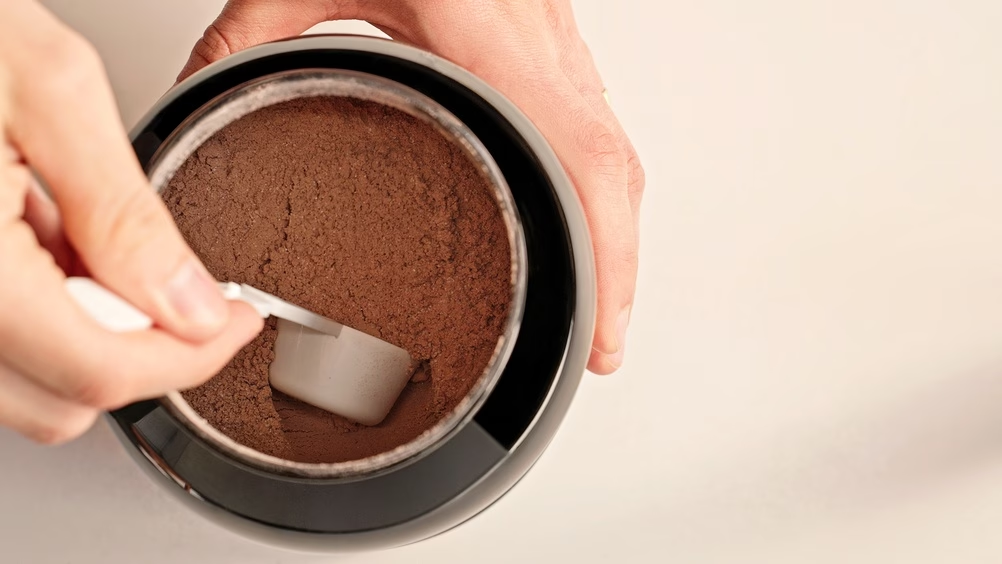
WPC, or whey protein concentrate, is the more basic form. It usually contains less protein per scoop than isolate, with more lactose, fat and milk solids left in. Depending on the product, WPC can range widely in protein content, but many common sports nutrition powders sit around the 70–80 per cent protein mark. It tends to be creamier, cheaper and, for most people, perfectly fine.
WPI, or whey protein isolate, is filtered further. More of the lactose and fat is removed, which usually leaves a powder that is higher in protein by weight. Isolate products are commonly around 90 per cent protein, though you still need to read the label because brands love making simple things slippery.
A useful rule
If you want the best value, digest dairy well and just need a reliable protein powder.
If you are lactose-sensitive, want a lighter shake, or need more protein per scoop with fewer extras.
If you already hit your protein target easily through food.
The boring answer is usually the right one. Buy the powder you tolerate, can afford and will actually use. Then train hard enough to give it a job.
So which one should you buy?
For most blokes, WPC is enough. If your goal is to hit your daily protein target without spending stupid money, concentrate does the job. Add it to milk, water, oats or a smoothie and move on with your life. The muscle does not know whether the amino acids arrived in a premium black tub or a plain white bag.
But do not confuse “cleaner” with “more anabolic”. WPI is not magic protein. It is just more refined protein. If two men both get enough total protein across the day, train properly and recover properly, the one using isolate is not automatically ahead. The bigger question is not WPC vs WPI. It is: are you getting enough protein in the first place?
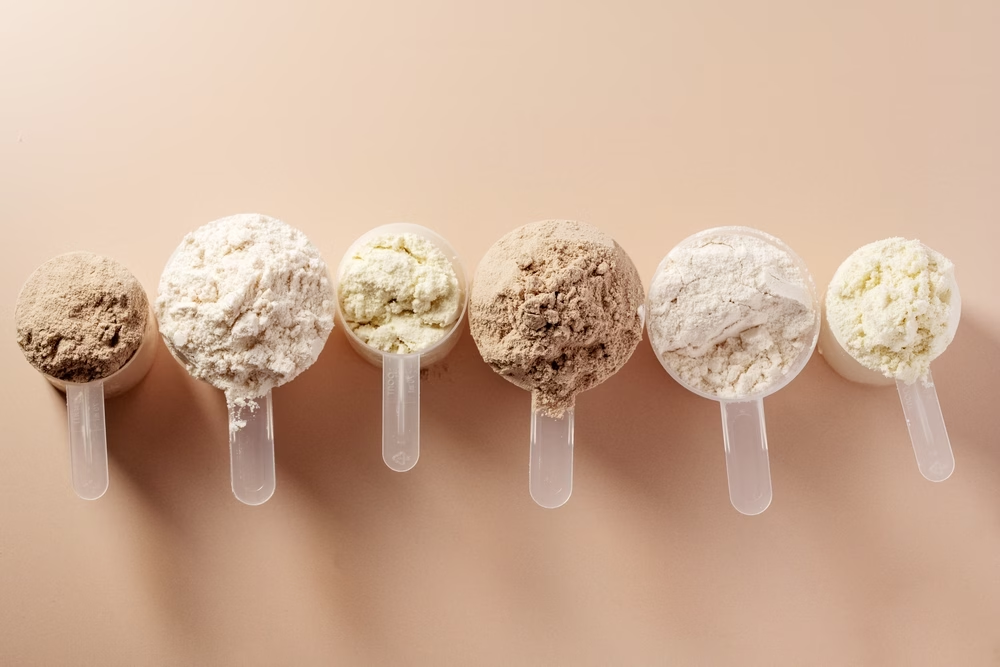
WPI makes more sense if digestion is the problem. If WPC leaves you bloated, gassy or feeling like your stomach is running a protest march, isolate may sit better because it usually contains less lactose. It can also be useful if you are watching calories closely and want more protein with fewer carbs and fat.
So why does WPI cost more?
Mostly because it takes more work to make. The whey goes through additional filtration to strip out more lactose, fat and other milk solids, leaving a higher concentration of protein behind. That extra processing costs money and produces less finished powder from the same amount of raw whey. You are paying for greater purity and convenience, not a secret muscle-building advantage. The black tub, chrome lettering and athlete staring into the middle distance may add a few dollars too.
What About Casein Before Bed?
Casein deserves its own article, but the quick version is that it is the slow-release member of the milk-protein family. While whey is digested relatively quickly, casein forms a thicker mixture in the stomach and releases amino acids more gradually.
That makes it useful before bed. A serve of roughly 30–40 g can provide your muscles with amino acids during the overnight fasting period and support muscle protein synthesis and recovery while you sleep. This does not mean casein is a sleeping pill or that it improves sleep quality. It simply gives your body protein to work with during the night.
It may be particularly useful if you train in the evening, struggle to hit your daily protein target, or regularly go a long time between dinner and breakfast. Cottage cheese and Greek yoghurt can perform a similar job without requiring another tub of powder.
The bottom line: casein can support overnight recovery, but it is optional. Your total protein intake across the day still matters far more than whether your final serve arrives five minutes before lights out.