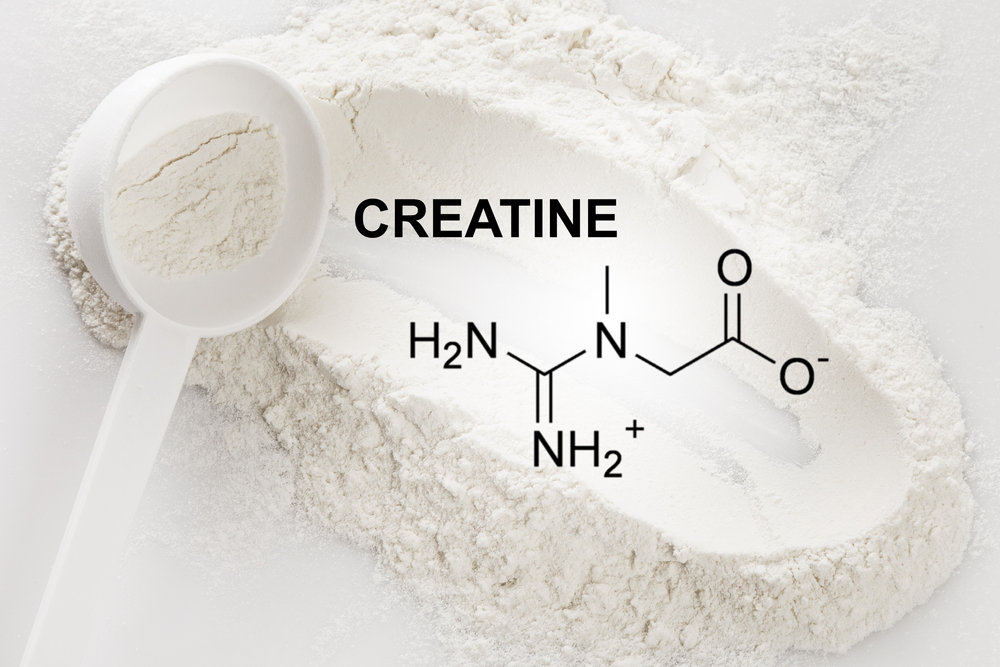

Creatine is one of the most researched supplements in sports nutrition history and, despite its reputation, one of the simplest. This is a no bullshit guide.
Found naturally in foods like red meat and seafood, creatine helps the body produce quick energy during short bursts of physical and mental effort. Your body already makes some on its own, and most people already store creatine naturally in their muscles. Supplementation simply helps increase those stores further. That’s it. Nothing tricky. Nothing magical.
Below: what creatine does, what the evidence actually supports, how much to take and when, the side effects people worry about (hair, bloating, kidneys), which type to buy, and why it matters more once you’re past 40.
- What it is: a compound your body makes (about 1 g a day) and gets from meat and fish (about another 1 g). It fuels short, hard efforts.
- Does it work? Yes, for strength, power and repeated sprints, and for extra lean mass when you lift. The Australian Institute of Sport rates creatine monohydrate as having strong evidence.
- Dose: 3–5 g a day, every day. Loading (about 20 g a day for 5–7 days) is optional: it fills your muscles in about a week instead of about four.
- Timing: matters far less than taking it daily. After training, with a meal, is a sensible default.
- Best type: plain creatine monohydrate. About 99% of the safety and efficacy research uses it.
- Side effects: some water weight early on, and stomach upset if you take big doses at once. No good evidence of kidney harm in healthy people, and no study has shown it causes hair loss.
- Over 50: two meta-analyses found creatine plus weights added about 1.3–1.4 kg more lean mass than weights alone.
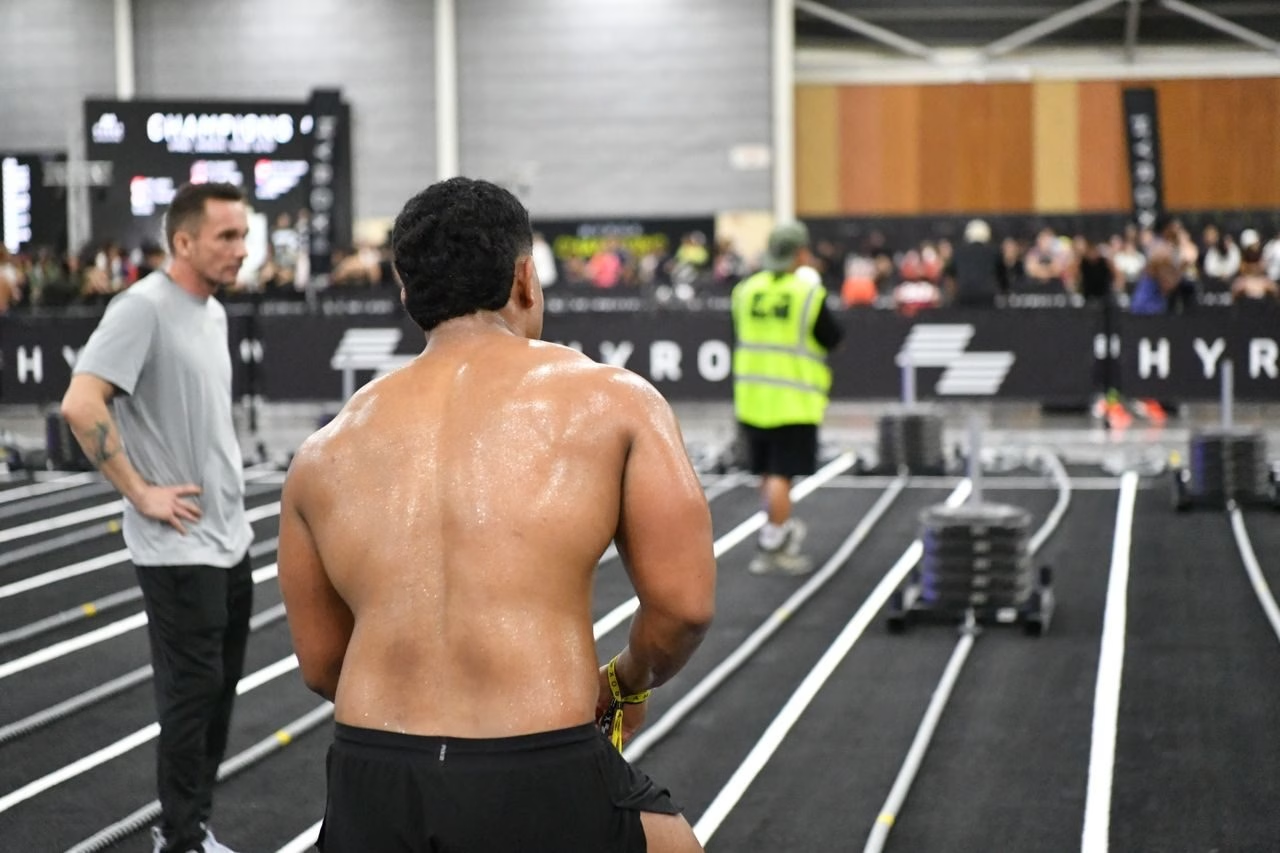
For decades, creatine was associated almost entirely with bodybuilders and elite athletes, because if you can push a bit harder, you can get a bit bigger. But modern research has pushed it far beyond gym culture. Today, creatine is used by everyone from recreational runners and HYROX competitors to ageing athletes, shift workers and active men looking to hold on to strength, recovery and mental sharpness as they get older.

Part of the reason is the science itself. Few supplements have been studied as heavily or for as long. The list of research is comically long, and it has consistently linked creatine supplementation to improvements in strength, power output, muscle gain and exercise recovery, while newer studies are also exploring its role in brain health, sleep deprivation and healthy ageing.
Importantly, creatine is not a stimulant. It does not work like a pre-workout, energy drink or fat burner. There is no sudden “hit”. Instead, it works gradually by topping up the body’s energy stores over time, which is why many people now take it daily as part of a long-term performance and recovery routine rather than a gym-only supplement.
What Creatine Actually Does
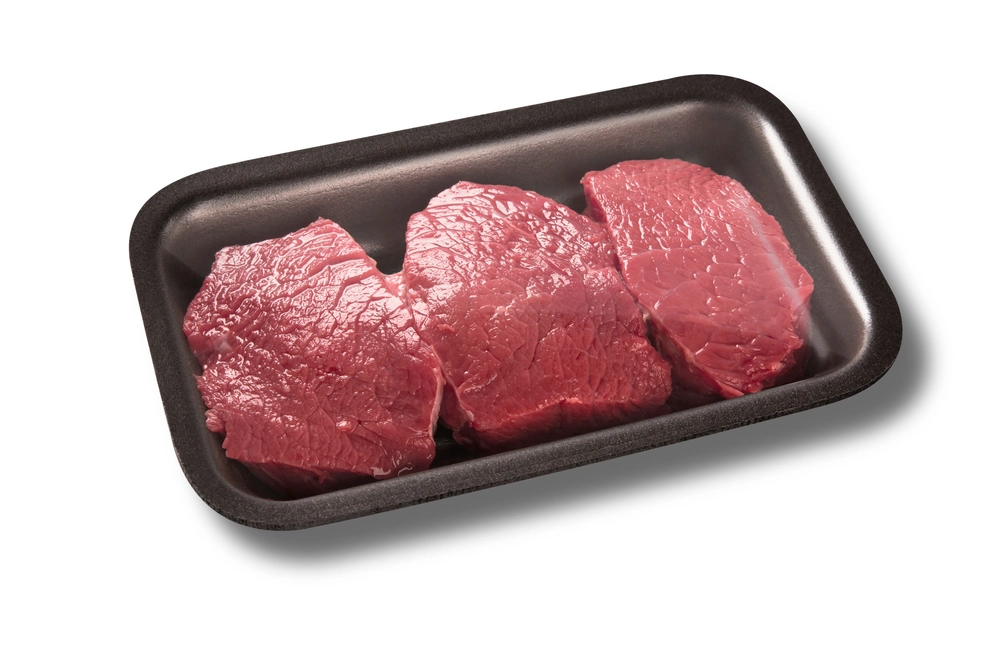
Creatine is a naturally occurring compound stored mostly in muscle tissue, with smaller amounts in the brain. Your body makes it, mainly in the liver, kidneys and pancreas, and you also get it from meat and fish. According to the Australian Institute of Sport, your body makes about 1 g a day and a typical meat-eating diet supplies about another 1 g.
Its main role is helping produce quick energy during short, hard efforts. Lifting weights. Sprinting. Climbing hills. Grinding through a final set you probably should have stopped two reps earlier. In muscle, creatine is stored mostly as phosphocreatine, which rapidly rebuilds ATP, the body’s energy currency. The catch is that the tank is small: the AIS says there’s only enough to fuel about 8 to 10 seconds of maximal effort.
A normal diet leaves your muscle stores about 60–80% full. Supplementing raises muscle creatine and phosphocreatine by about 20–40%, according to the International Society of Sports Nutrition’s position stand. More fuel in the tank means you can do a bit more work, set after set. Vegetarians start with lower stores, so they tend to see the biggest jump.
That’s the scientific explanation. The practical one is simpler: many people feel stronger, recover better and maintain performance more consistently when taking it regularly. Which starts to matter more once recovery stops being automatic.
Does Creatine Actually Work?
Few supplements survive decades in the fitness industry unless they genuinely do something useful. Creatine has survived all of them. Despite endless trends, miracle powders and influencers screaming into ring lights, creatine remains one of the most researched sports supplements in the world.
The International Society of Sports Nutrition calls creatine monohydrate the most effective nutritional supplement available for increasing high-intensity exercise capacity and lean body mass during training. The AIS puts it in Group A of its Sports Supplement Framework, the strong-evidence tier. Research has consistently linked it with improvements in:
- strength, when combined with resistance training
- repeated sprint performance (brief efforts, usually under 30 seconds)
- lean muscle gain and retention
- recovery between high-intensity efforts
- power output
- recovery of muscle lost to injury or immobilisation (the AIS says there is “some indication” of this)
That does not mean it’s magic. Creatine will not compensate for terrible sleep, inconsistent training or a diet built entirely around servo pies and optimism. But it can help support the work you’re already doing. That distinction matters. The men getting the most from creatine are usually the ones already showing up consistently.
How Much Creatine Should You Take?
For most active men, 3–5 g a day is the standard recommendation. You do not need a loading phase. The ISSN and the AIS describe two ways to fill your muscles:
- Loading: the ISSN suggests about 20 g a day (5 g four times a day) for 5–7 days, then 3–5 g a day (the AIS suggests about 0.3 g per kg for 5 days). Your stores fill in about a week.
- No loading: 3–5 g a day from day one. You reach the same place in about four weeks. In the classic 1996 study by Eric Hultman, 3 g a day for 28 days raised muscle creatine about as much as 20 g a day for six days.
Loading only makes sense if you want the effect inside a month. Otherwise, skip it: it’s where most of the stomach upset and quick water-weight gain comes from.
| Question | Answer |
|---|---|
| Daily dose | 3–5 g of creatine monohydrate |
| Loading phase | Optional: about 20 g a day, split into four 5 g doses, for 5–7 days |
| Time to full muscle stores | About a week with loading, about four weeks without |
| Biggest single serving | Keep each serving to 10 g or less to avoid stomach upset |
| Best time | Whenever you’ll remember. After training with a meal is a sensible default |
| Best type | Plain creatine monohydrate powder |
Is 5 g enough? The UNSW study
In March 2025, a trial from UNSW Sydney, published in Nutrients, put 54 adults aged 18 to 50 through 12 weeks of supervised resistance training, three sessions a week. One group took 5 g of creatine a day with no loading phase, starting a week before training. The other group trained without it.
Both groups gained about 2 kg of lean mass, with no significant difference between them. The creatine group did gain a little extra in the first week, before training started, which the researchers put down to water. Senior author Dr Mandy Hagstrom said five grams a day “is not enough if you’re taking it for the purposes of building muscle”, and suggested 10 g a day as the dose to test next, since it has already been shown to be safe. First author Dr Imtiaz Desai said a longer study would be useful.
Our read: it’s one 12-week study in people who were doing less than the recommended 150 minutes of exercise a week, and it sits against decades of trials and several meta-analyses that found creatine adds muscle on top of training. It’s a good reason to keep your expectations realistic, and not a reason to bin the tub. If muscle is your main goal and 5 g hasn’t done much, a higher daily dose is a reasonable experiment, but nobody has yet shown that 10 g builds more muscle than 5 g.
When Should You Take Creatine?
Despite the internet’s obsession with perfect timing, consistency matters far more than whether you take it at exactly 7:14am beside a banana. The AIS says there isn’t much data showing post-workout creatine works better than pre-workout, but that taking it after training with your post-exercise meal is “prudent advice”. Muscle takes up more creatine alongside a meal with protein and carbs, and after exercise.
Most men over 40 are no longer interested in carrying six supplements to work in little plastic containers. They want simple routines they’ll actually stick to. So whether that’s:
- after training
- with breakfast
- mixed into a recovery drink
- or whenever you remember
…the best routine is usually the sustainable one. One practical tip from the AIS: drink it as soon as you’ve mixed it. Creatine breaks down to creatinine if it sits in liquid, which is also why pre-made liquid creatine is a poor buy.
Why Creatine Hits Different After 40
In your twenties, you can survive on takeaway food, four hours sleep and blind optimism for a surprisingly long time. By your forties, the bill arrives.
Training still works, often extremely well, but recovery becomes the thing that determines whether you can keep doing it week after week.
That’s partly why creatine has found a second life among older athletes and everyday active men. Not because they suddenly want to look younger, but because they’re trying to preserve things that naturally get harder to hold onto: strength, muscle mass and all the wonderful things that come with having a working male body.
The evidence here is better than you might expect. A 2017 meta-analysis pooled 22 studies with 721 older adults (average ages 57 to 70) and found creatine plus resistance training added 1.37 kg more lean mass than training with a placebo, along with bigger gains in chest press and leg press strength. A 2021 follow-up in adults over 50 found much the same: about 1.32 kg more lean mass, and the benefit held whatever the dose. Interestingly, taking it only on training days also worked.
The key word is training. Creatine helps you get more out of the weights. It doesn’t replace them. If you’re new to lifting later in life, start with why lifting is linked to living longer, and see whether old-man strength is real.

Creatine and Your Brain
Your brain uses creatine for energy too, and supplementing raises brain creatine, although by less than it raises muscle creatine, according to the AIS. That has expanded the conversation well beyond bodybuilding.
A 2024 meta-analysis in Frontiers in Nutrition pooled 16 randomised trials with 492 adults and found creatine improved memory, with moderate certainty. It also found faster attention and processing speed, but the authors rated that evidence low certainty, and there was no clear effect on overall cognition. The researchers called for bigger trials.
The most interesting work is on tired brains. Studies on people kept awake suggest creatine may help protect thinking and mood when you’re short on sleep. We cover that in detail in creatine for sleep deprivation: what actually works.
Our read: promising, not proven. Take creatine for your training. If it sharpens you up on a bad night’s sleep too, that’s a bonus.
It’s Not Just for Lifters Anymore
The stereotype around creatine still lags about 15 years behind reality. A lot of people still picture huge bodybuilders carrying around shaker bottles the size of small fuel tanks. In reality, modern training culture has become far more blended.
Men are lifting weights while training for marathons. Running clubs are full of former rugby players. HYROX has turned half the country into hybrid athletes with sore hips and expensive watches. And many of them are taking creatine.
Not necessarily to get bigger, but to support:
- recovery
- repeated hard efforts
- training volume
- muscle preservation alongside endurance work
Runners sometimes worry that the extra water weight will slow them down. The AIS says that concern looks unfounded: studies have shown improved running and swimming performance, and creatine helps most when sprints are thrown into or at the end of an endurance effort.
The modern training week is strange now. Someone might deadlift Tuesday, do hill sprints Thursday and spend Saturday morning in a sauna discussing sleep metrics with alarming seriousness. Creatine fits surprisingly well into that world.
Creatine Side Effects: What’s Real and What Isn’t
The AIS says there’s no evidence of systematic serious side effects from creatine monohydrate, and that claims about muscle, kidney and heat problems aren’t supported by research or post-market monitoring. The ISSN describes doses up to 30 g a day for five years as safe and well tolerated in the studies it reviewed. Here’s what you might actually notice, and what you can ignore.
Does creatine cause bloating or weight gain?
Sometimes, particularly early on. Creatine draws water into muscle cells, which is part of how it works. The only side effect the ISSN found consistently reported is weight gain. The AIS puts it at a maximum of about 1 or 2 kg (up to about 3 kg after loading, per the ISSN-linked review), which matters if you’re making weight for a fight or a lightweight rowing crew, and not much otherwise. Randomised trials lasting from a week to two years haven’t shown creatine adds body fat.
A lot of the horror stories come from old-school loading phases where people were taking huge amounts in short periods. Stomach upset is most likely with big single doses: a 2021 review of creatine myths recommends keeping each serving to 10 g or less, and the AIS suggests skipping the loading phase, taking it with meals and not pairing it with high-fibre foods or gut-churning supplements like sodium bicarbonate. Most active men do perfectly well on a steady daily intake.
Does creatine cause hair loss?
This remains one of the internet’s favourite fitness arguments.
The concern mostly traces back to a small 2009 rugby study that observed increased DHT levels after creatine supplementation. DHT is associated with male pattern baldness. What the study did not show was actual hair loss. The DHT rise wasn’t replicated, and a 2025 randomised trial that gave trained men 5 g a day for 12 weeks found no difference from placebo in DHT or in hair count, density or thickness.
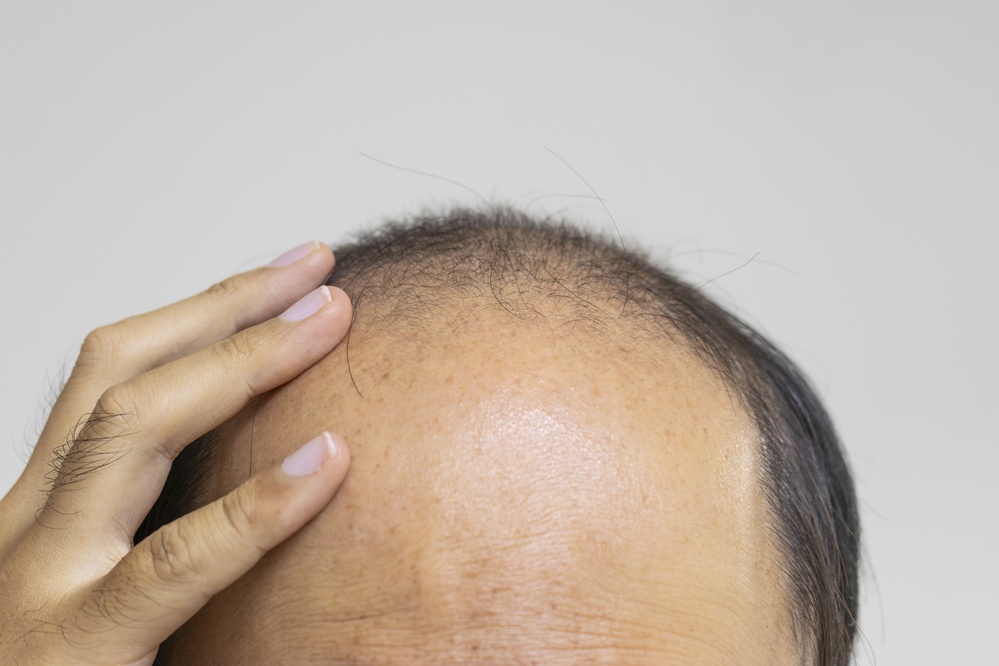
That probably won’t stop the debate any time soon, particularly among men already suspiciously examining their hairline under bathroom lighting. But the evidence for a link remains thin. The full story is in does creatine cause hair loss?
Is creatine bad for your kidneys?
Not in healthy people, as far as the research shows. The ISSN found no compelling evidence that creatine harms kidney function, and the 2021 myths review traces much of the fear to a 1998 case report of a single patient who already had kidney disease.
The thing to know is the blood test. Creatine naturally breaks down into creatinine, which doctors use as a kidney marker. Taking creatine can push your creatinine up without your kidneys being any worse off, so tell your GP you take it before a blood test. Sport Integrity Australia also advises talking to a doctor before you start if you have kidney problems or another existing condition.
What about cramping and dehydration?
Mostly a myth. Some users report cramping in surveys, but the 2021 myths review says controlled research doesn’t back it up: in a study of 72 American college footballers training in hot, humid conditions, creatine users had less cramping and fewer cases of heat illness and dehydration than non-users.
Which Type of Creatine Is Best?
Despite aggressive marketing around newer forms, creatine monohydrate remains the gold standard. Mostly because it works. It’s:
- heavily researched: about 99% of the safety and efficacy data comes from monohydrate powder, according to the AIS
- very well absorbed (more than 99%, says the AIS)
- affordable
- generally well tolerated
The AIS puts it bluntly: there is no scientific reason to take a creatine supplement other than creatine monohydrate. Forms sold on “better absorption”, like creatine ethyl ester, don’t have the data to back the claim.
That’s not particularly exciting copy for supplement companies, which is why the industry keeps trying to reinvent it. But sometimes the boring answer is the correct one. Here’s how creatine HCl vs monohydrate compares, and why the cheap tub still wins.
How to buy good creatine
Creatine itself isn’t banned in sport: Sport Integrity Australia confirms it isn’t on the World Anti-Doping Code Prohibited List. The risk is what else ends up in the tub. In a survey released in April 2025, Sport Integrity Australia had 200 supplements bought online in Australia in 2022 tested. 35% contained at least one WADA-prohibited substance, and 57% of those didn’t list it on the label. Pre-workouts, fat burners and muscle builders were the most likely to be contaminated.
You don’t need to be an athlete to care about that. Keep it simple:
- Buy plain creatine monohydrate. One ingredient. No blends, no “matrix”, no added stimulants.
- Look for batch testing. Sport Integrity Australia recommends products screened by HASTA or Informed Sport, and you can check a product and batch number in its Sport Integrity App.
- Powder over liquid. Creatine breaks down in liquid, so ready-to-drink versions are a waste of money.
Creatine also turns up on almost every short list of supplements worth paying for. See how it stacks up in Dr Mike Israetel’s five supplements worth taking, and for how it went from gym controversy to the most trusted powder on the shelf, read the secret history of creatine.
Creatine FAQs
What does creatine do?
It tops up your muscles’ store of phosphocreatine, which rebuilds energy fast during short, hard efforts like lifting and sprinting. That lets you do a little more work in training, which over time means more strength and muscle.
How much creatine should I take a day?
3–5 g of creatine monohydrate a day. A UNSW trial suggested 5 g may not be enough to add muscle, and its authors want 10 g a day tested, but that hasn’t yet been shown to work better.
Do I need a loading phase?
No. Loading (about 20 g a day for 5–7 days) fills your muscles in about a week. Taking 3–5 g a day gets you to the same place in about four weeks, with less chance of stomach upset.
How long does creatine take to work?
Your muscles are full after about a week of loading or about four weeks of a daily dose. The training benefits then build over weeks and months of lifting.
Is it better to take creatine before or after a workout?
There’s little evidence either way. The AIS suggests after training with a meal as a sensible habit, but taking it every day matters far more than when.
Is creatine safe?
For healthy adults at normal doses, yes, based on decades of research. Expect some water weight. If you have kidney problems or another health condition, talk to your doctor first, and tell your GP you take it before a blood test.
Does creatine make you gain weight?
Usually a little, typically 1–2 kg and sometimes up to 3 kg if you load, and it’s mostly water stored in muscle. Trials haven’t shown it adds fat.
Does creatine cause hair loss?
No study has shown it does. The fear comes from one 2009 study that measured a rise in DHT but never looked at hair. A 2025 trial that did measure hair found no effect.
Is creatine a steroid, or banned in sport?
Neither. It has a completely different structure from anabolic steroids, and it isn’t on the WADA Prohibited List. Athletes should still use batch-tested products because of contamination risk.
Is creatine worth taking after 50?
If you lift, the evidence says yes. Two meta-analyses found creatine plus resistance training added about 1.3–1.4 kg more lean mass than training alone in older adults, with better strength gains too.