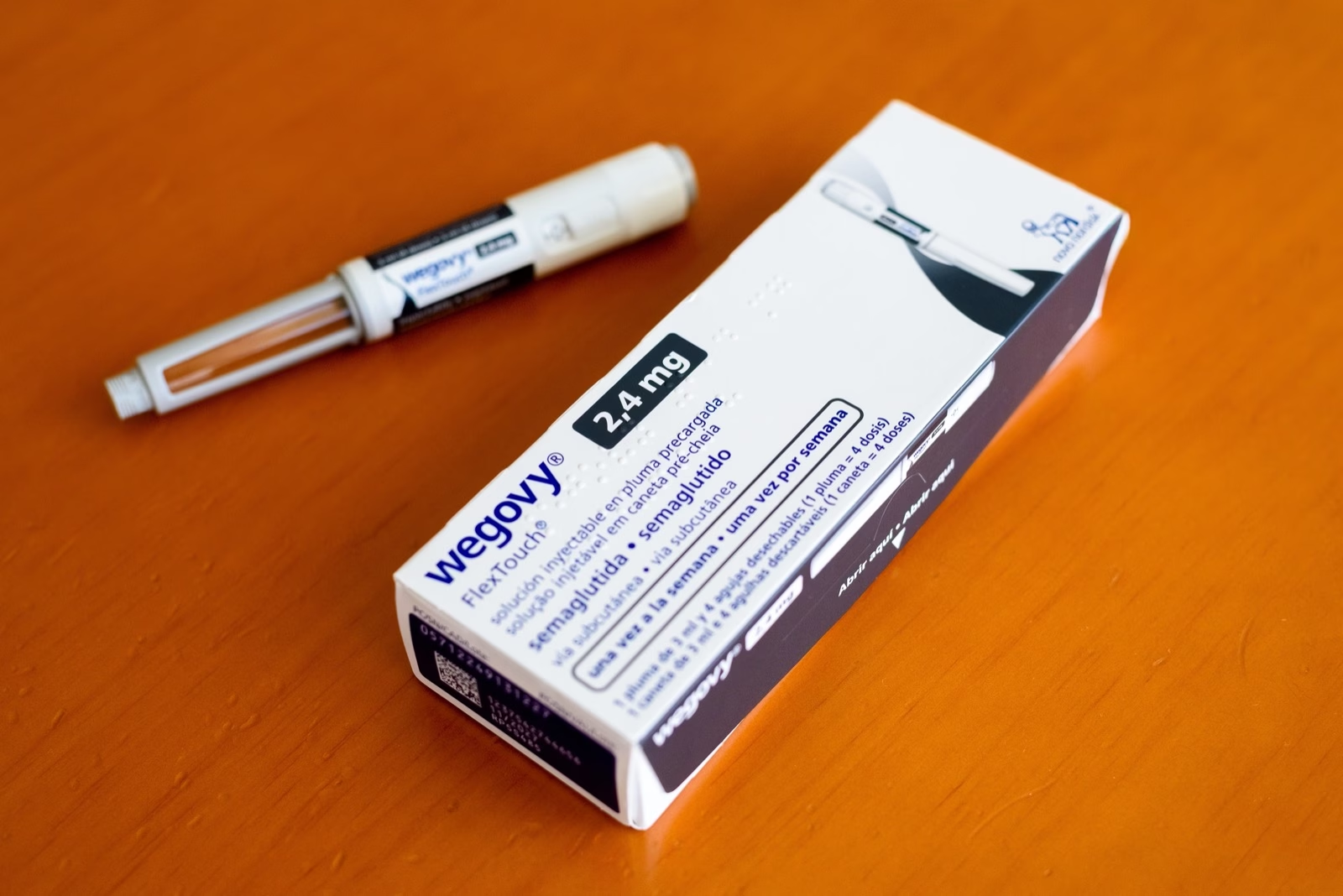
On a 35-degree afternoon, a thick, milky shake is the last thing you want after training. Protein water gets you a similar hit of protein in something closer to cordial, and it’s now on supermarket and chemist shelves everywhere. This guide covers what protein water actually is, how much protein the Australian brands carry, how it stacks up against a whey shake and a glass of milk, who it suits and the catches on the label.
- What it is: a clear, juice-like drink (or powder you mix with water) carrying 15 to 30g of protein a serve, with little or no fat or sugar
- Protein source: usually hydrolysed collagen, whey protein isolate, or a blend of the two
- The catch: collagen is an incomplete protein (it lacks tryptophan), and in a head-to-head trial it switched on less muscle protein synthesis than whey
- Versus milk: a 250ml glass of milk has about 8 to 9g of protein; a 355ml can of protein water carries up to 30g
- Who it suits: men who hate creamy shakes, train in the heat, or want protein without much food in the gut
- Read the label for: grams of protein, how much comes from whey versus collagen, and the sweeteners

What is protein water?
Protein water is a clear, thin drink that tastes more like a sports drink or cordial than a milkshake. It comes two ways: ready-to-drink cans and bottles, or a powder you shake into 400 to 500ml of cold water.
The protein is usually one of two things. Hydrolysed collagen (collagen broken into small peptides) dissolves clear and stays light. Whey protein isolate (WPI) is the purer, filtered form of whey: at least 90% protein by weight, with very little fat or lactose. Many protein waters use a blend of both, often with added electrolytes, vitamin C or BCAAs. If you want the WPI story in full, our WPI vs WPC guide covers it.
How much protein is in protein water?
Here’s what the protein waters you can buy in Australian supermarkets, chemists and online stores carry, per the brand and retailer labels we checked in November 2026. Formulas change, so check the panel on the pack in your hand.
| Protein water | Protein |
|---|---|
| BSc 30g Protein Water can (355ml, ready to drink, collagen) | 30g a can (8.5g per 100ml) |
| Bodiez Protein Water Optimum (500ml bottle, ready to drink, whey isolate) | 30g a bottle (6g per 100ml) |
| Muscle Nation Protein Water powder (30g scoop, collagen and whey isolate) | About 23 to 24g a serve |
| BSc x Chupa Chups Protein Water powder (25g scoop, collagen and whey) | 20g a serve |
| Bulk Nutrients Protein Water powder (18.75g scoop in 500ml, collagen and whey isolate) | About 15g a serve |
Two things jump out. The ready-to-drink cans and bottles in our table are the protein heavyweights, at 30g a serve. And the powders vary a lot: a scoop of Bulk Nutrients’ version has about half the protein of a BSc can.

Protein water vs whey shake vs milk
All three get protein into you. The difference is the type of protein, what comes with it, and how it sits in your gut.
| Drink | What you get |
|---|---|
| Protein water | 15 to 30g a serve, light and clear; protein is often mostly collagen |
| Whey isolate shake | At least 90% protein by weight; complete protein, rich in leucine |
| Glass of milk (250ml) | About 8 to 9g of complete protein, plus carbs, calcium and (full cream) fat |
Whey shake. Whey is a complete protein and is high in leucine, the amino acid that switches on muscle building. If building muscle is the only goal, a scoop of whey isolate in water is hard to beat.
Milk. Dairy Australia puts a 250ml glass of regular milk at 8.5g of protein and skim at 9.2g. It’s cheap real food, but you’d need three to four glasses to match one 30g protein water can. Dairy Farmers’ high protein milk closes the gap a little, and our full-fat vs skim milk guide covers which carton to grab.
Protein water. It wins on feel: light, cold, fruity, no creamy aftertaste. Our read: that’s the whole case for it. It’s protein you’ll actually drink on a hot day, not a better protein.
The collagen catch
Collagen is what makes most protein waters clear and light, but it’s an incomplete protein: it has no tryptophan, one of the nine essential amino acids, and it’s lower in leucine than whey.
That shows up in the research. In a 2020 McMaster University trial published in the American Journal of Clinical Nutrition, 22 healthy older women took 30g of either whey or collagen twice a day for six days while doing resistance exercise. Whey lifted muscle protein synthesis both straight after and across the week. Collagen gave a small lift only in the exercised leg straight after, and over the six days it didn’t raise muscle building above baseline at all.
The study was in older women, not young men, but the likely reason (collagen’s low leucine and missing tryptophan) applies to anyone. Our read: count the whey in a protein water as muscle-building protein, and count the collagen as a bonus, not a substitute. Some labels split it out. Bulk Nutrients, for example, says more than 10g of the 15g in its scoop comes from collagen.
Who protein water suits
- Men who can’t stomach shakes. If milky drinks sit heavy after training, a clear drink is easier to get down.
- Hot-weather training. Summer runs, footy training, a day at the track: something cold and fruity beats a warm shake.
- Lactose-sensitive lifters. Collagen-only drinks such as the BSc can are dairy free. Whey isolate blends are very low in lactose but still come from milk.
- Men cutting. A 30g can or bottle is around 130 Calories, with almost no fat or sugar.
- On-the-go protein. A can in the gym bag or a sachet in the car is easy.
It suits you less if you’re chasing maximum muscle on a budget, or if a glass of milk or a high-protein snack would do the same job.
The downsides
Sweeteners
Zero sugar means sweeteners. The BSc can and Bulk Nutrients’ powder use sucralose; Bodiez uses erythritol and stevia (steviol glycosides). In May 2023 the World Health Organization advised against relying on non-sugar sweeteners, including sucralose and stevia, for weight control. It called the advice “conditional” because the evidence was weak, and it doesn’t apply to people with diabetes. Our read: one protein water a day isn’t a worry, but don’t treat a fridge full of them as a fat-loss plan.
Cost per gram of protein
Ready-to-drink is the dear way to buy protein. On 14 November 2026, Chemist Warehouse listed both the BSc 30g can and a 500ml Bodiez bottle at $4.99. That’s about $1.65 for every 10g of protein. Bulk Nutrients’ Protein Water powder was $59 for a 750g bag of 40 serves on its own site, or roughly $1 per 10g. Our read: buy the cans for convenience and the powder for value.
It’s not a hydration miracle
Protein water is mostly water, so it counts towards your fluids, and some brands add electrolytes. Our read: that doesn’t make it better than water plus food. On a long, sweaty session, you’ll still want proper fluids and salt.
How to use protein water
Total daily protein matters more than any one drink. A 2018 analysis of 49 studies and 1,863 people found the muscle-building benefit of extra protein levels off at about 1.6g per kg of bodyweight a day. That’s about 130g for an 80kg man. McMaster University, where the lead researcher was based, also quoted the lead researcher saying the standard recommended intake of 0.8g per kg is too low.
Our read: use protein water to fill a gap, after training or mid-afternoon, and get the rest from high-protein foods. If your protein water is mostly collagen, lean on whey, meat, eggs, fish or dairy for the muscle-building share.
FAQ
Is protein water good for you?
It’s a convenient, low-fat, low-sugar way to add 15 to 30g of protein. It’s only as good as the protein in it, though: whey-based versions build muscle better than collagen-only ones.
Is protein water better than a protein shake?
Not for building muscle. A whey shake gives you complete, leucine-rich protein. Protein water is better if you won’t drink a creamy shake, or want something light in the heat.
Does protein water build muscle?
Mostly the whey in it. In a McMaster trial in older women, collagen didn’t raise muscle protein synthesis above baseline over six days, so check how much of your drink’s protein is whey.
How much protein is in protein water?
Australian products range from about 15g a serve (Bulk Nutrients powder) to 30g a can or bottle (BSc’s 355ml can and Bodiez’s 500ml bottle).
Is protein water dairy free?
Only the collagen-only ones, such as the BSc can, which is made from bovine collagen. Anything with whey protein isolate comes from milk.
Can I drink protein water every day?
For most healthy men, one a day is fine as part of a normal diet. Bodiez’s label advises no more than two bottles a day and says the drink isn’t suitable for children under 15 or pregnant women.
When should I drink protein water?
Whenever it helps you hit your daily protein. After training is the most common time, but total intake across the day matters more than timing.