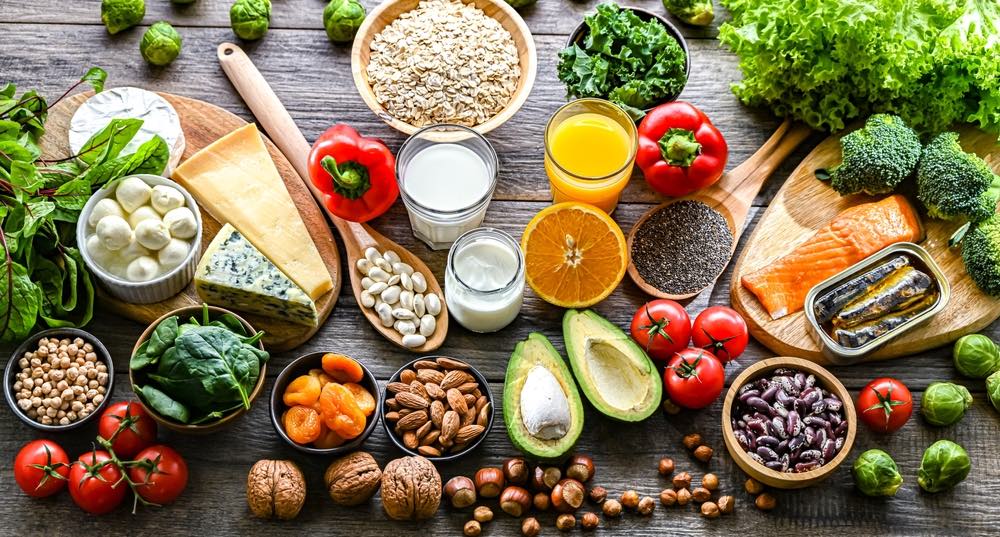

The 3pm snack is where a good eating day usually falls over: biscuits, a muesli bar, a servo pie, and you’re hungry again an hour later. Swap in snacks that are mostly protein and you’ll usually feel fuller, and you’ll hit your daily target without forcing down another chicken breast at dinner. Below are 15 high-protein snacks with the grams per 100g, plus the best picks for cutting, bulking, vegetarians and the servo.
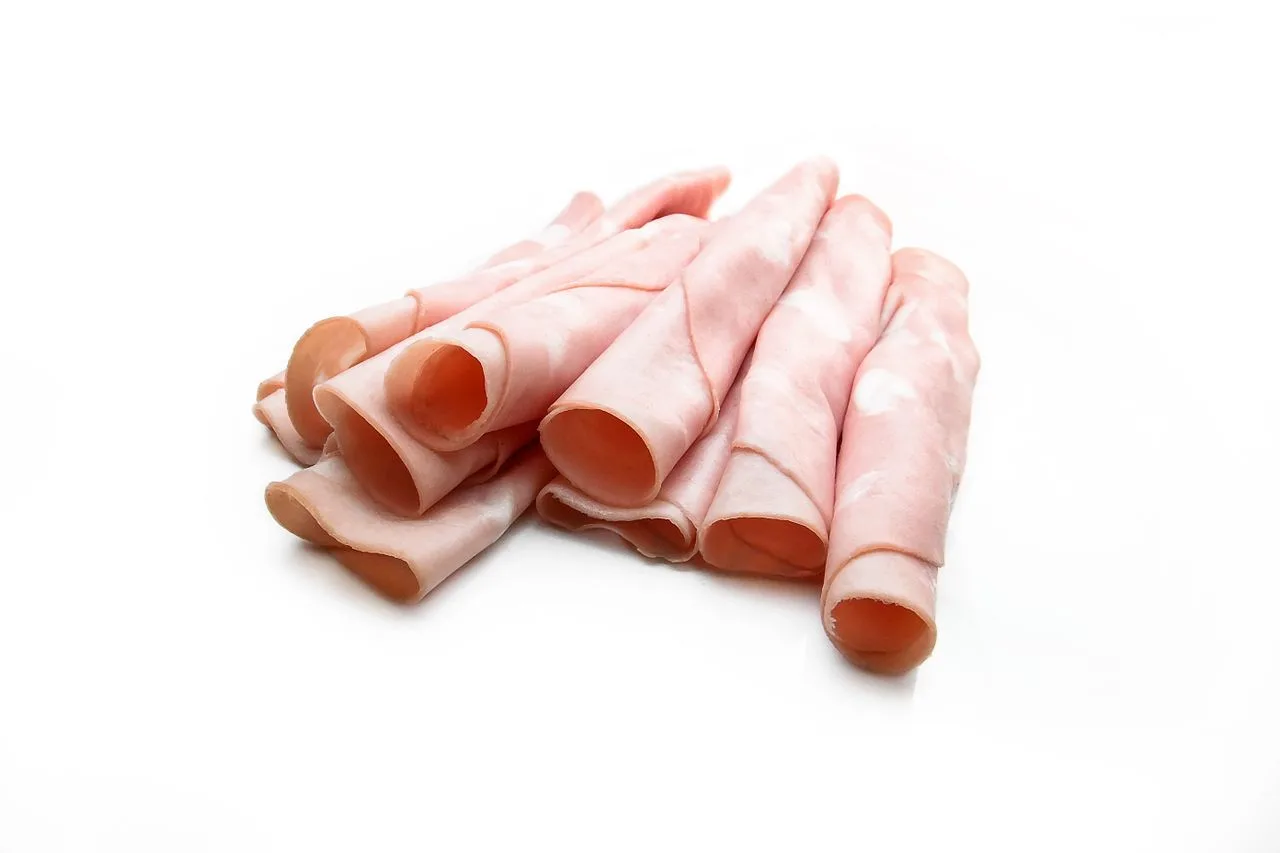
- Most protein per 100g: beef jerky (about 33g), cooked chicken or turkey breast (about 29-30g), tinned tuna (19-26g) or salmon (21-25g)
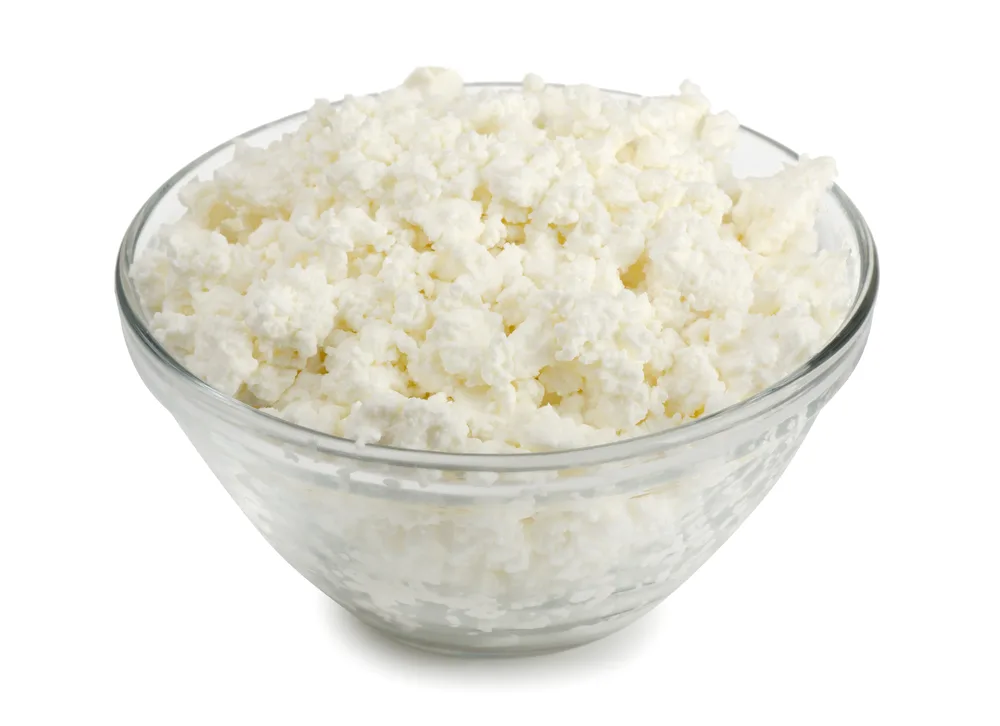
- Easiest from the fridge: strained Greek yoghurt (6-10g per 100g), cottage cheese (11-17g), boiled eggs (about 12g)
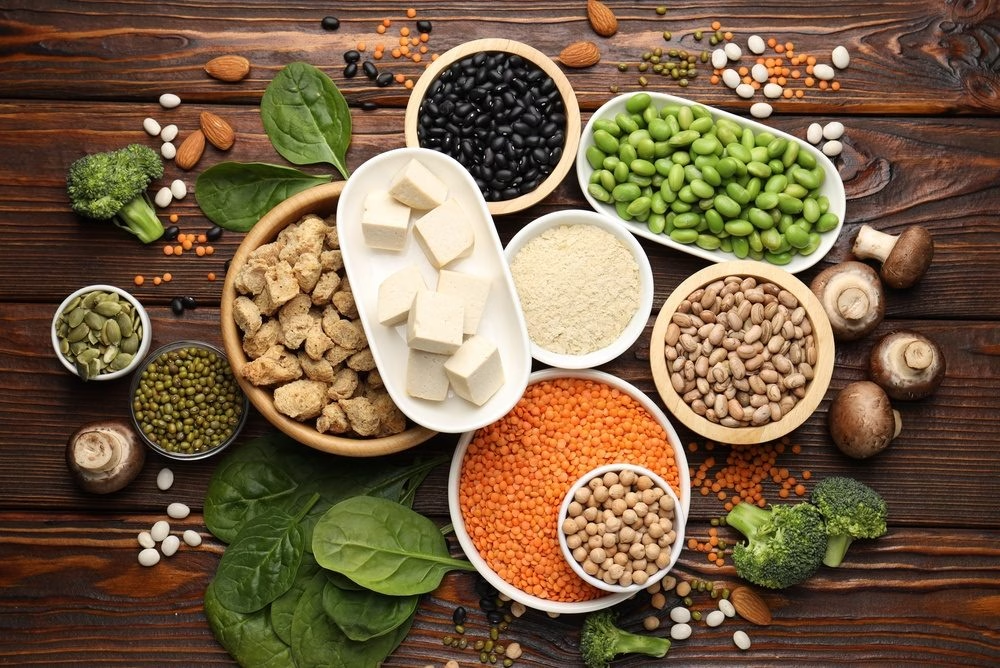
- Vegetarian: edamame, firm tofu, eggs, Greek yoghurt, cottage cheese, roasted chickpeas
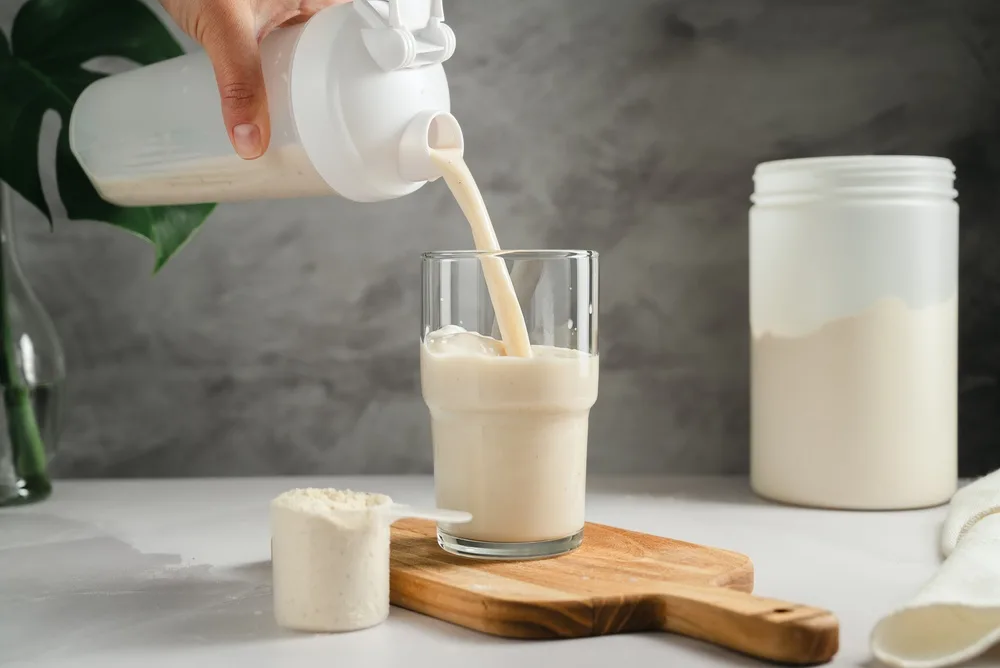
- For cutting: tuna in springwater, egg whites, prawns, cottage cheese, a whey shake made with water
- How much per snack: our read is 15g or more; sports nutrition guidelines suggest 20-40g per serve, every 3-4 hours
Why your snacks need more protein
Most blokes get their protein sorted at meals and then undo it between meals with whatever’s closest. The problem isn’t willpower: low-protein snacks don’t hold you for long, so you eat more of them.
Protein generally fills you up more than carbohydrate or fat does, according to a review in the American Journal of Clinical Nutrition (Paddon-Jones et al., 2008). A later review in the same journal called the effect modest: people feel fuller after higher-protein meals, but it doesn’t reliably make them eat less at the next meal (Leidy et al., 2015). Our read: a protein snack won’t do the dieting for you, but it beats a packet of chips that leaves you hungry by 4pm.
Snacks also help with the numbers. The International Society of Sports Nutrition suggests 20-40g of protein per serve, spread evenly every 3-4 hours across the day (ISSN position stand, 2017). In one trial, trained men who had 20g of whey every 3 hours after training built muscle protein faster than men who had the same 80g as two 40g doses or eight 10g doses (Areta et al., 2013). Four or five protein hits a day is easier with a snack or two in the mix. See our guide to bulking and protein targets for the maths, or our high protein meals guide for the lunch and dinner side of it.
Best whole-food high-protein snacks
No brand names, no marketing, just food that happens to be high in protein. Figures are per 100g, so check the size of your tub, tin or packet.
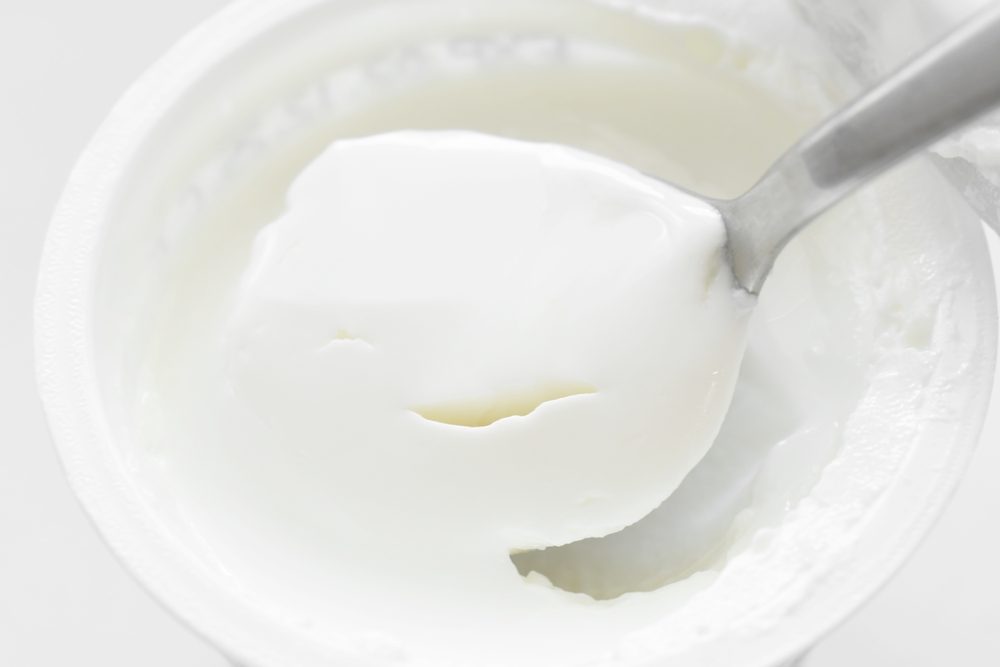
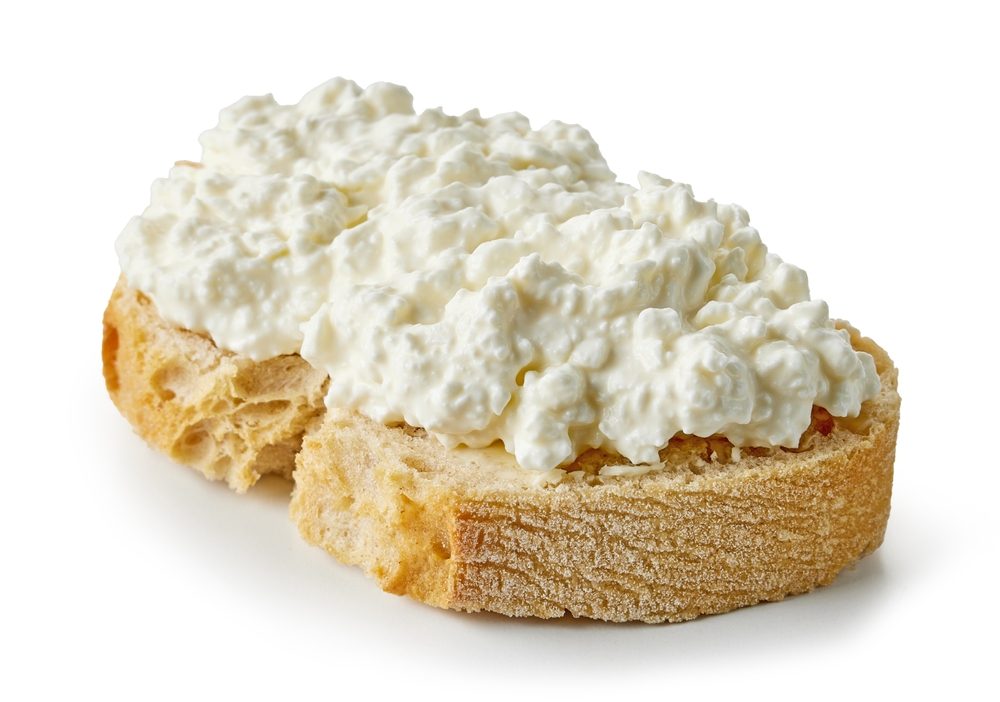
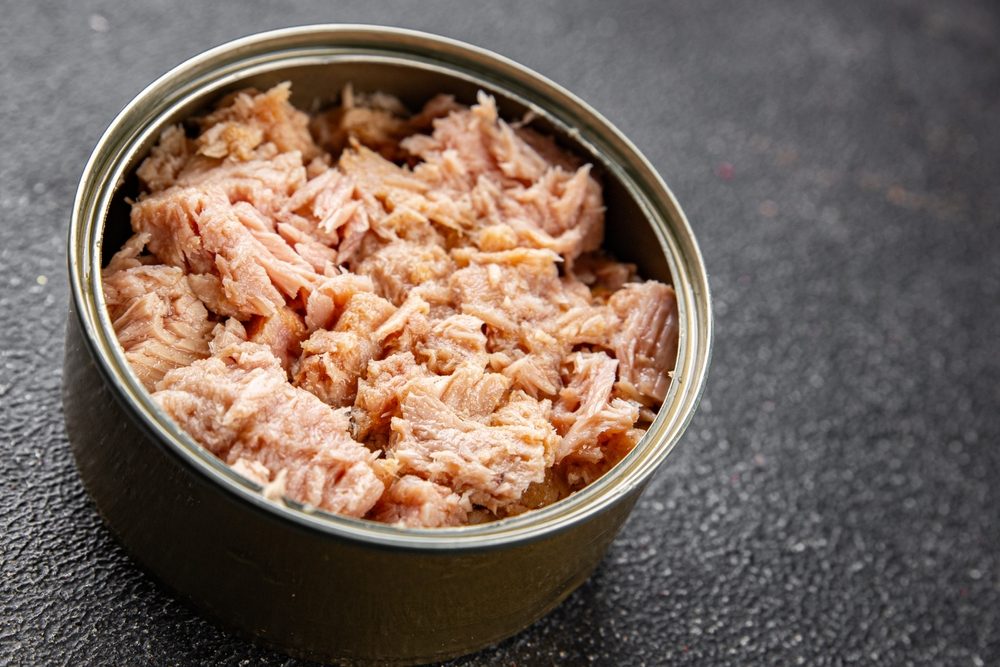
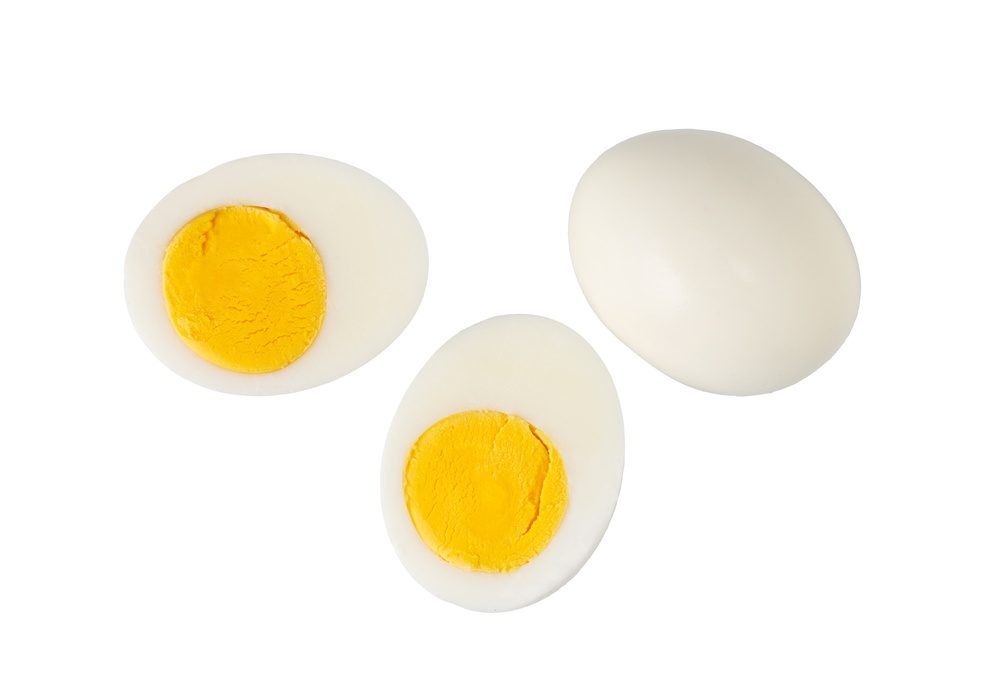
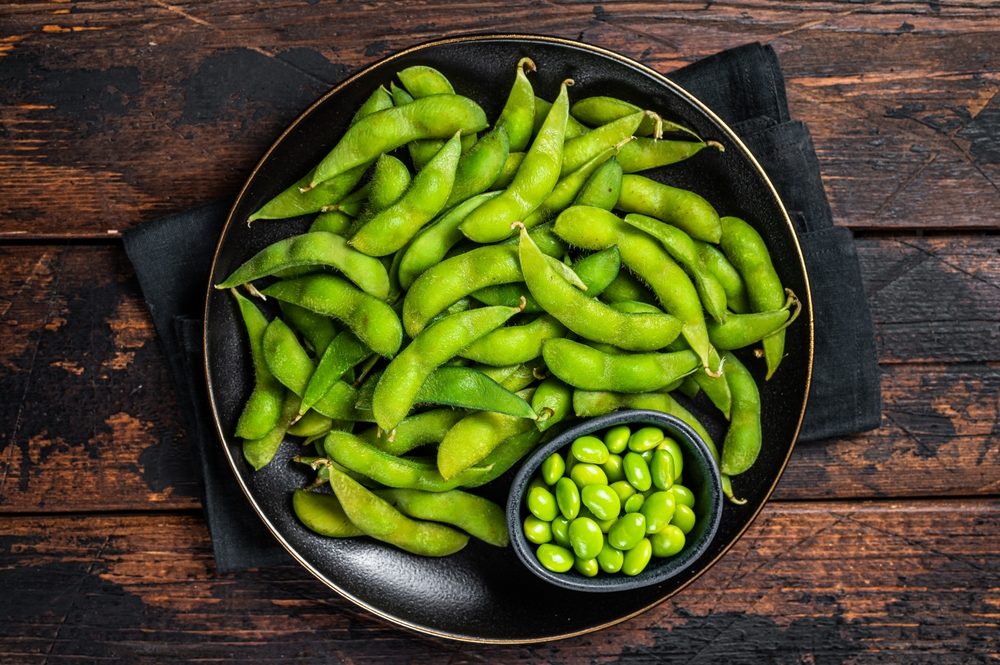
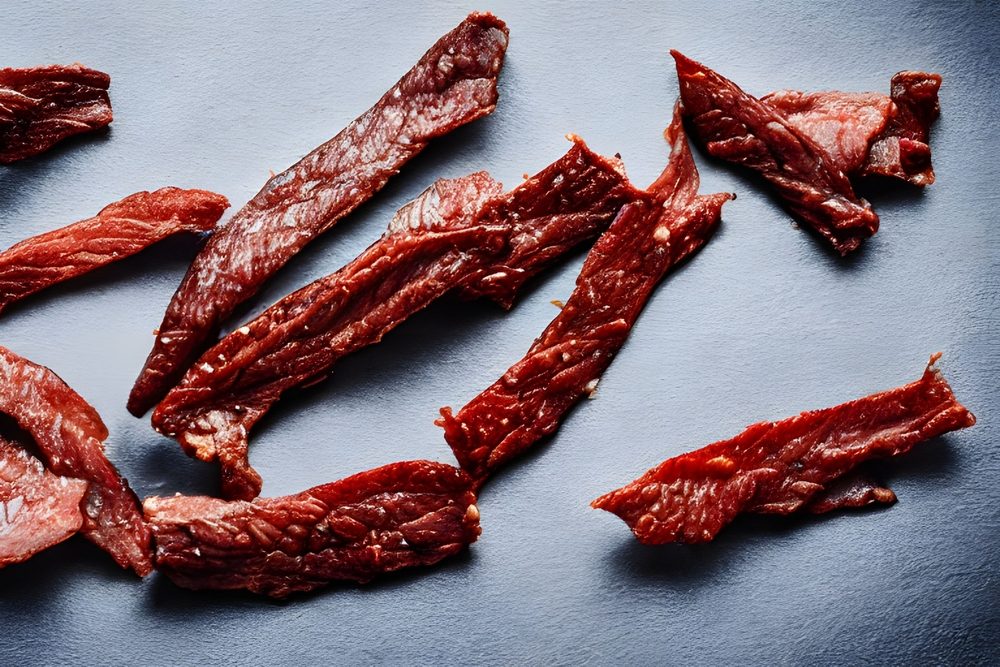
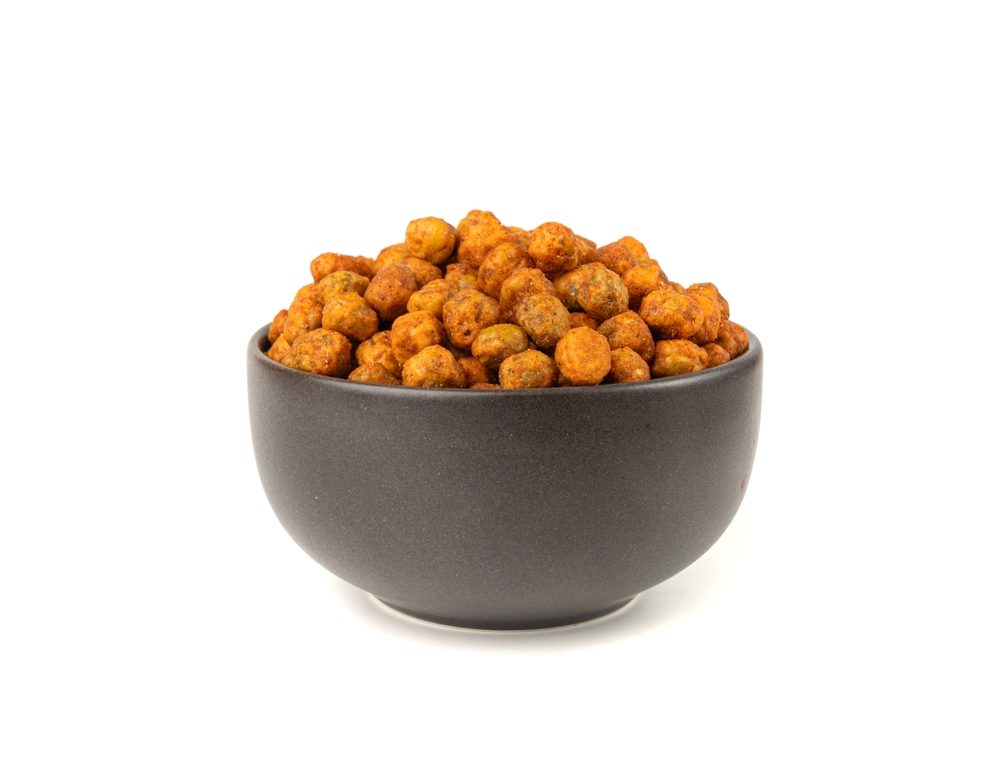
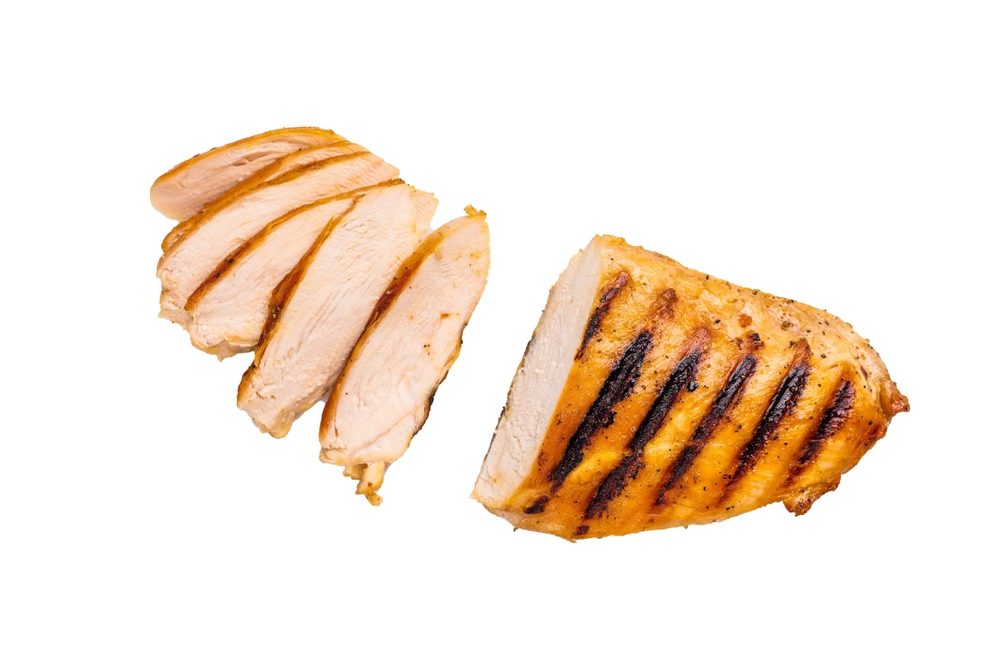
A few to watch. Jerky is the most protein-dense snack here, but 30g of it is only about 10g of protein, and it’s usually salty. Chickpeas are the weakest on this list when they come out of the tin; roasting dries them out, so a handful packs more protein than the per-100g figure suggests, but they’re a top-up rather than a main event. Chicken breast is still the benchmark: cook a tray on Sunday and you’ve got snacks until Wednesday.
15 high-protein snacks: grams of protein per 100g
Where two food databases disagree, we give the range rather than pick one. The figures come from Food Standards Australia New Zealand’s Australian Food Composition Database (Release 3) and US Department of Agriculture data (via NutritionValue.org), with the other sources listed at the end. Brands vary, so the panel on the packet is the final word.
| Snack | Protein per 100g |
|---|---|
| 1. Beef jerky | about 33g |
| 2. Cooked chicken breast, skinless | 29-30g |
| 3. Roast turkey breast, skinless | about 29g |
| 4. Tinned salmon, drained | 21-25g |
| 5. Tinned tuna in water, drained | 19-26g |
| 6. Cheddar cheese | 23-25g |
| 7. Cooked prawns | 17-27g |
| 8. Cottage cheese | 11-17g |
| 9. Firm tofu | 13-17g |
| 10. Boiled eggs | about 12g |
| 11. Edamame, shelled and cooked | about 12g |
| 12. Egg whites | about 11g |
| 13. Greek yoghurt, strained, plain | 6-10g |
| 14. Chickpeas, tinned and drained (before roasting) | 6-8g |
| 15. Whey protein powder (made into a shake) | 70-90g per 100g of powder |
Two things the table can’t tell you. First, Greek yoghurt varies a lot from tub to tub. Dairy Australia puts strained Greek yoghurt at about 10g per 100g and says to check the panel (Dairy Australia). CHOICE found that a yoghurt labelled “Greek style” isn’t always high in protein (CHOICE). Second, cottage cheese ranges from 11g to 17g depending on the brand, so the panel decides whether a 200g tub gives you a light top-up or a proper hit. Whether to go full-fat or reduced-fat is covered in is full-fat dairy bad for you?
High-protein, low-calorie snacks (for cutting)
If you’re cutting, you want protein without the calories piling up around it. These get most of their calories from protein, with very little fat or sugar.
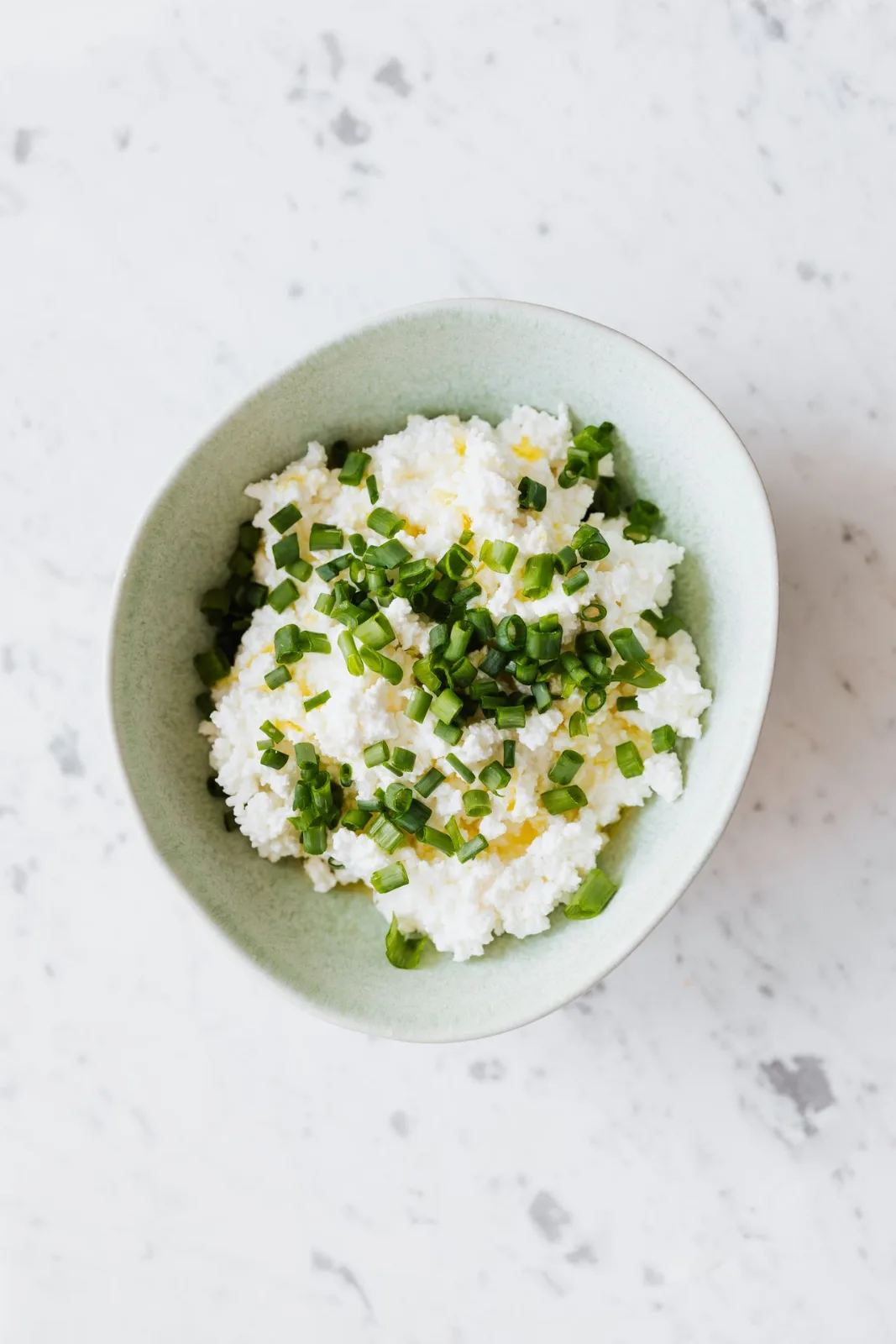
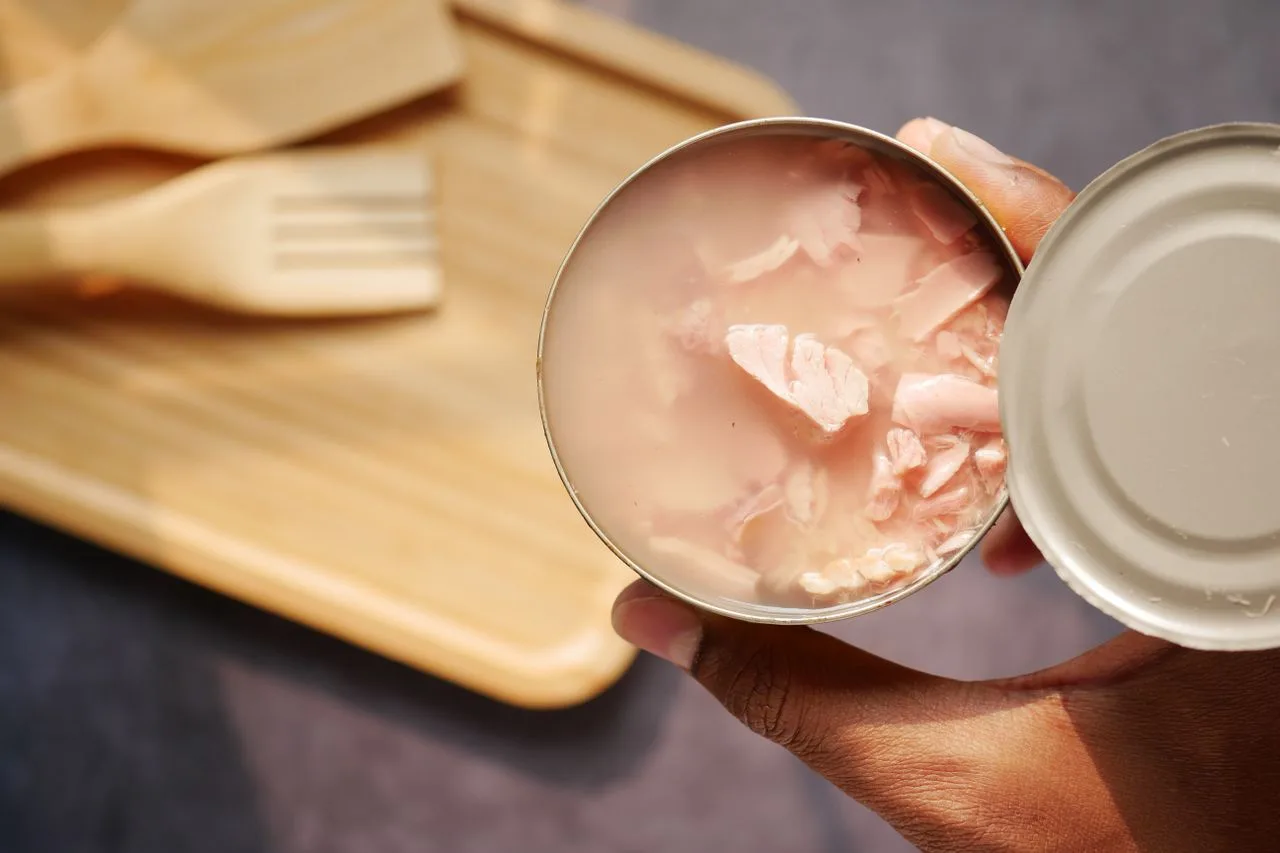
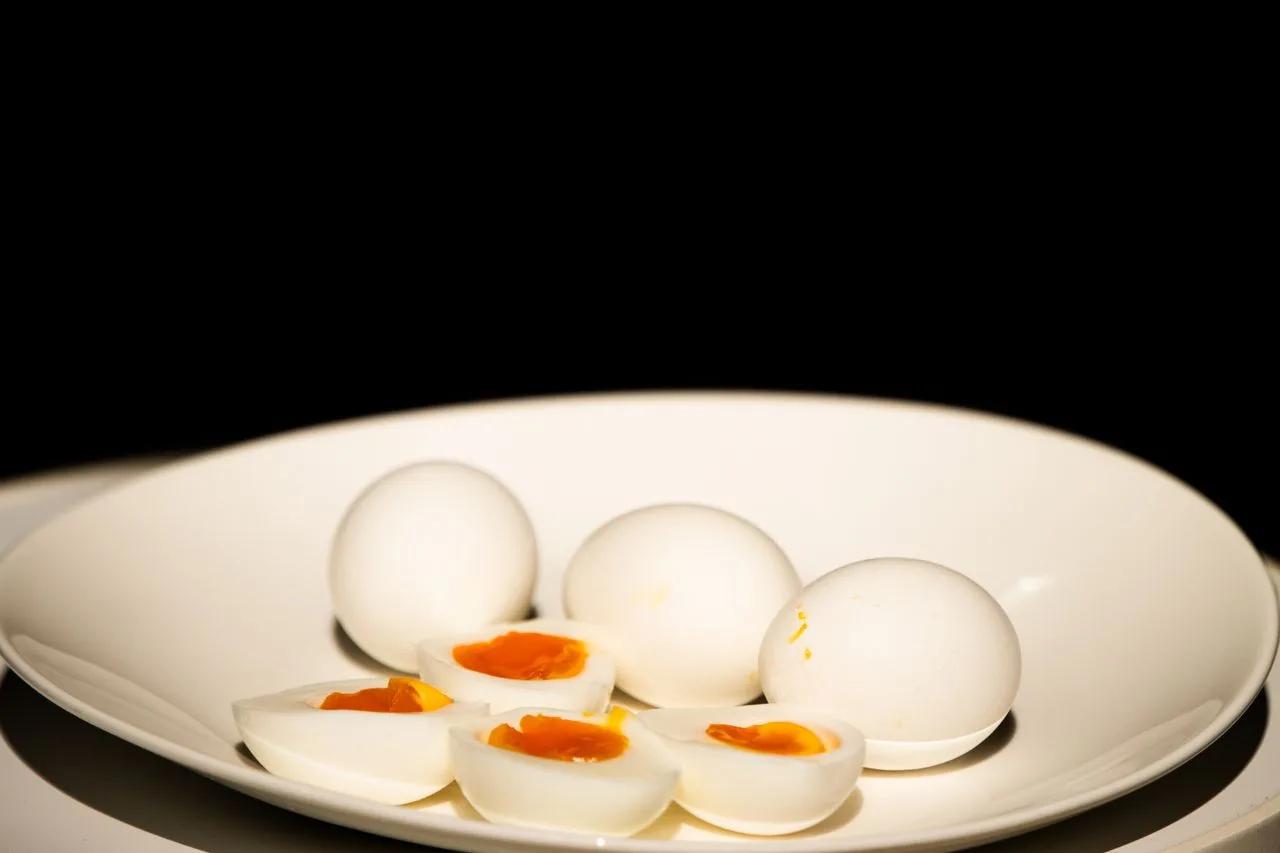
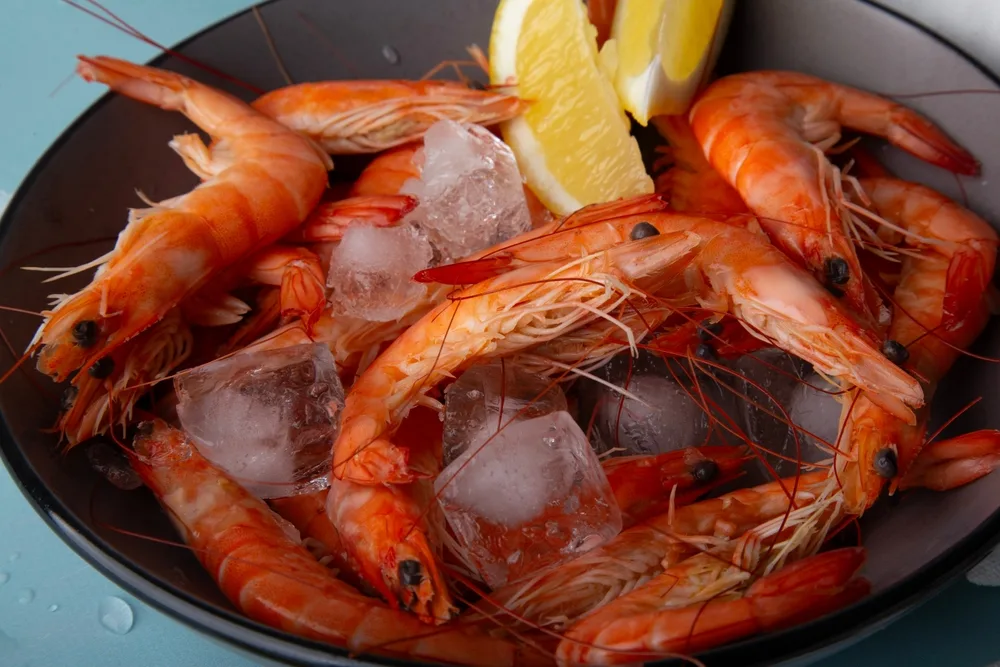
None of these are exciting. That’s the point: they do the job without adding a few hundred calories you didn’t plan on. Two tips. Buy tuna in springwater or brine, not oil, and drain it. And if you’re losing weight on a GLP-1 drug, protein and lifting matter even more, because some of the weight you lose can be muscle: see how to beat GLP-1 muscle loss.
High-protein snacks for bulking
If you’re trying to put on size, flip the logic: you want protein that brings extra calories with it. Nuts, seeds, nut butter and cheese all do that.
| Bulking snack | Protein per 100g |
|---|---|
| Pumpkin seeds (pepitas) | 29-30g |
| Cheddar cheese | 23-25g |
| Peanut butter | 22-24g |
| Almonds | 20-21g |
Our read: a handful of almonds is a decent snack, but it’s mostly fat, so pair it with something leaner (a tub of Greek yoghurt, a glass of milk) rather than relying on nuts alone for protein. Peanut butter on toast with a glass of milk is the classic cheap bulking snack for a reason. The full plan is in The Incredible Bulk.
Vegetarian high-protein snacks
Cut the meat and fish and you’ve still got options. You just have to work a bit harder for the same numbers. Firm tofu (13-17g per 100g) and edamame (about 12g) are the leanest plant picks; pumpkin seeds (29-30g), peanut butter and almonds carry more protein per 100g but come with a lot of fat. Eggs and dairy do the heavy lifting if you eat them.
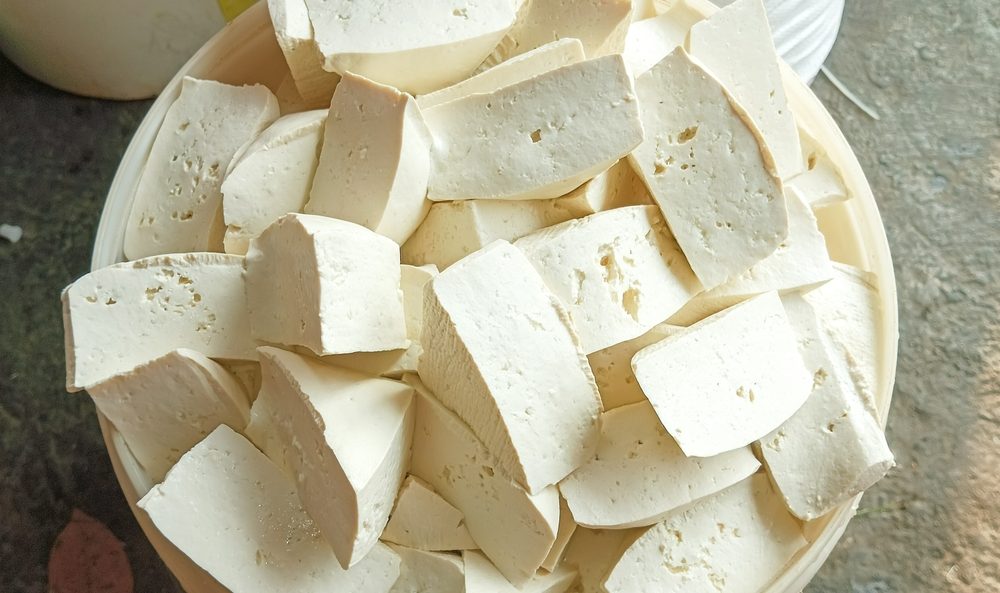
For vegetarian lunches and dinners that hit 25g or more, see our high protein vegetarian meals.
Supermarket and servo grab-and-go snacks
Not every snack gets planned. If you’re standing in a servo or a supermarket at 3pm, these are the ones to reach for:
- Jerky: often near the counter. The most protein per 100g of anything here; check the salt and sugar on the panel.
- Single-serve tuna or salmon tins: the ones with a ring-pull lid, plain or in springwater. Grab a fork on the way out.
- Greek yoghurt or cottage cheese tubs: in the fridge. Compare the protein per 100g on the panel, because tubs vary a lot.
- Boiled-egg packs: if your supermarket fridge has peeled, ready-to-eat eggs, they’re one of the easiest options going.
- Cheese sticks or slices: easy protein, but there’s a fair bit of fat with it.
- Cooked chicken: a supermarket roast chook or a tub of shredded breast from the deli covers you for days.
- Ready-to-drink protein shakes and high-protein milk: handy, but read the panel. Ordinary flavoured milk usually has two to three times as much sugar as protein, so check the panel.
Store-bought vs homemade: do you need a protein bar?
Protein bars are convenient, not magic. Plenty of them are closer to a chocolate bar with a marketing budget than an actual food. Check the label for two things: protein per 100g, and how far up the ingredient list sugar sits. Our read: a whole-food snack from the lists above usually beats a bar for the same calories, and it’s cheaper.
If you use protein powder to fill the gap, whey powders are mostly protein. Australia’s food composition database lists a typical whey powder (more than 70% protein) at 85g per 100g, and whey isolate is defined as 90% protein or more (U.S. Dairy Export Council). So a 30g scoop gives you somewhere around 21-27g. The type matters less than people think: see our WPC vs WPI breakdown if you’re deciding which one to buy.
FAQs
How much protein should a snack have?
Our read: at least 15g, or it starts behaving more like a treat than something that keeps you full. The International Society of Sports Nutrition suggests 20-40g per serve, every 3-4 hours (ISSN, 2017). If you don’t know your daily target, our protein calculator works it out from your weight and goal.
Which snacks have the most protein per 100g?
Of the snacks above, beef jerky (about 33g per 100g), cooked chicken breast (29-30g), roast turkey breast (about 29g) and pumpkin seeds (29-30g). Protein powder is higher again, at 70-90g per 100g of powder, but that’s a supplement rather than a food.
What are good high-protein snacks before bed?
Casein, the main protein in milk, is the one studied before sleep. In a 2012 study, young men who drank 40g of casein before bed after an evening weights session digested and absorbed it overnight, and their bodies built more protein while they slept (Res et al., 2012). The ISSN says 30-40g of casein before sleep lifts overnight muscle protein synthesis (ISSN, 2017). A 2016 review by Trommelen and van Loon put the dose for a robust effect at 40g or more (Trommelen and van Loon, 2016). Our read: a big bowl of cottage cheese or Greek yoghurt is the food version of that shake.
Can high-protein snacks help with weight loss?
They can help, modestly. Protein tends to fill you up more than carbs or fat, and in controlled studies people on higher-protein, lower-calorie diets lost more fat and kept more lean mass than people on lower-protein ones (Leidy et al., 2015; Paddon-Jones et al., 2008). You still need to eat fewer calories overall.
Is Greek yoghurt high in protein?
Properly strained Greek yoghurt gets close to 10g per 100g, so a 170g tub gives you up to about 17g. But CHOICE’s testing found Australian Greek-style tubs averaged about 6g per 100g, and the best ran 8-10g. A “Greek style” label doesn’t guarantee it (Dairy Australia; CHOICE). Check the protein per 100g on the panel.
What is the best high-protein snack at a servo?
Our read: jerky if you want the most protein per gram, a tin of tuna if you want the most protein for the fewest calories, and a tub of Greek yoghurt or a protein shake from the fridge if you want something you can eat while driving.
Related: High protein foods: the complete list, 10 high protein breakfasts that hit 25g+ and our full guide to bulking without getting fat.
Sources: FSANZ, Australian Food Composition Database Release 3; USDA data via NutritionValue.org (jerky, chicken breast, turkey, tinned salmon, tinned tuna, cheddar, prawns, cottage cheese, tofu, eggs, edamame, egg white, Greek yoghurt, chickpeas, pumpkin seeds, peanut butter, almonds); Nutrition Advance, beef jerky; Dairy Australia; CHOICE; U.S. Dairy Export Council; Paddon-Jones et al., Am J Clin Nutr 2008; Leidy et al., Am J Clin Nutr 2015; Jäger et al., ISSN position stand, 2017; Areta et al., J Physiol 2013; Res et al., Med Sci Sports Exerc 2012; Trommelen and van Loon, Nutrients 2016. Checked 14 November 2026.