
If breakfast is toast and a coffee, you’re starting the day on a few grams of protein and hoping lunch and dinner catch up. A breakfast with 25 to 40g fills you up for longer and gives your muscles their first proper hit of the day. Below: ten breakfasts that actually get there, with the grams for every ingredient, plus what 25g and 40g look like on a plate.
- Target: 25–40g of protein, not a slice of toast with an egg on it
- Why that number: sports nutrition researchers suggest 20–40g per meal, or about 0.4g per kilo of body weight (32g for an 80kg man)
- Easiest bases: eggs (about 6.3g each), strained Greek yoghurt (about 9–10g per 100g), cottage cheese, whey powder
- The trick: stack two protein sources (eggs plus cheese, yoghurt plus whey) rather than relying on one
- 25g in one line: four eggs
- 40g in one line: a smoothie with a scoop of whey, 300ml of milk, a banana and a spoon of peanut butter (about 40g)
Why Breakfast Protein Actually Matters
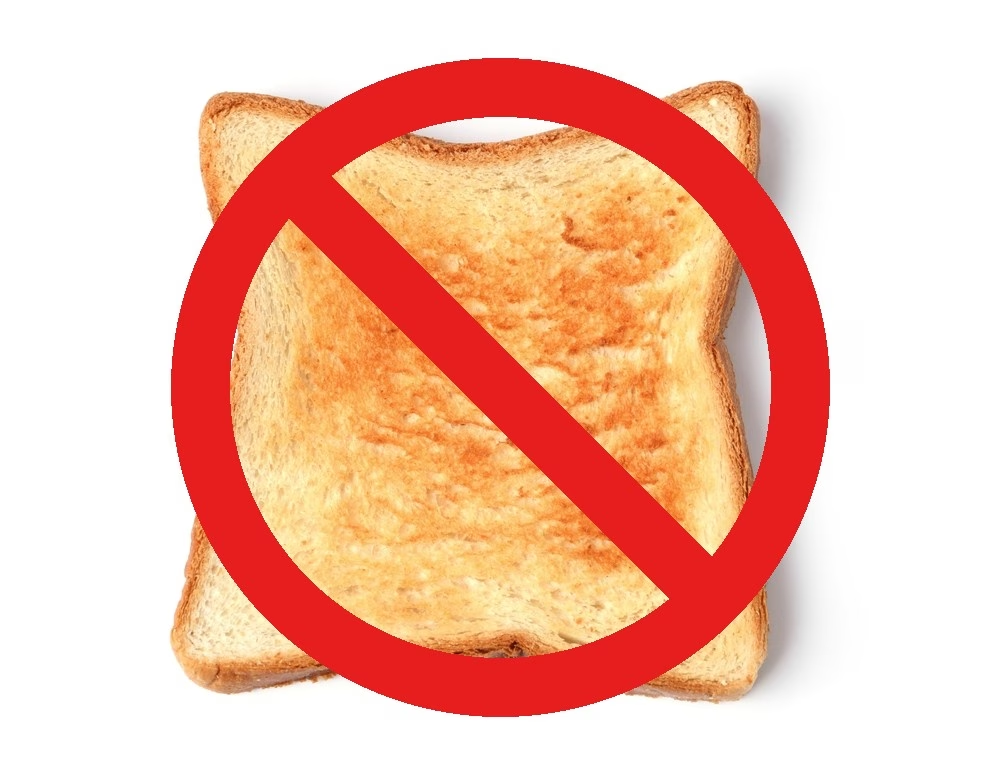
A lot of blokes back-load their protein into dinner and barely touch it at breakfast. Bread runs about 9g of protein per 100g, so a slice of toast gives you 3 to 4g (Australian Food Composition Database; USDA FoodData Central). That’s not a disaster on its own, but it means the rest of the day has to make up the difference, and mornings are when that’s least likely to happen: rushed, distracted, coffee only.
A high-protein breakfast also tends to keep you full for longer, which matters more than any “metabolism boost” claim. In one small University of Missouri trial, a 350-calorie breakfast with 35g of protein (eggs and beef) left people fuller than a cereal breakfast with 13g, and cut evening snacking on high-fat foods compared with skipping breakfast. Daily calorie intake didn’t change, the group was 20 overweight or obese women aged 18 to 20, and the study was funded by beef and egg industry bodies (American Journal of Clinical Nutrition, 2013; ScienceDaily). Our read: it’s a useful hint, not proof that a protein breakfast will make you leaner.
Whether breakfast itself is worth eating at all is a separate, genuinely debated question: we’ve broken down the skipping-vs-eating debate for fat loss here. This page assumes you’re eating it, and covers what to put on the plate.
How Much Protein Should Breakfast Have? 25g or 40g
There’s no official breakfast number, but the muscle-building research gives you a sensible range. The International Society of Sports Nutrition’s position stand recommends 20–40g of high-quality protein per serve (or 0.25g per kilo of body weight), spread every three to four hours, within a daily intake of 1.4–2.0g per kilo for people who train (Journal of the International Society of Sports Nutrition, 2017; NutraIngredients).
A 2018 review by Brad Schoenfeld and Alan Aragon went a little higher: 0.4g per kilo per meal across at least four meals, to reach at least 1.6g per kilo a day (Journal of the International Society of Sports Nutrition, 2018; Just Fly Sports). For an 80kg man, that’s 32g. For a 100kg man, 40g.
For comparison, the official Australian recommended dietary intake for men aged 19 to 70 is 64g of protein a day, rising to 81g over 70 (NHMRC Nutrient Reference Values; Australian Eggs). That’s a floor for health, not a target for building muscle. Our read: if you lift, 25g is the minimum worth calling a high protein breakfast, and 40g is where a big bloke or anyone cutting should aim.
10 High Protein Breakfast Ideas
Every number below is built from the ingredients listed, using the Australian Food Composition Database and USDA FoodData Central, so it’s a range rather than a made-up round number. Brands vary, so check the label on your yoghurt, cottage cheese and protein powder.
| Breakfast | Protein |
|---|---|
| 1. Protein pancakes | 45–49g |
| 2. Big protein smoothie | 38–43g |
| 3. Smoked salmon, eggs and rye | 31–35g |
| 4. Cottage cheese, fruit and nut bowl | 27–39g |
| 5. Overnight oats with whey and chia | 28–31g |
| 6. High-protein milk porridge | 28–30g |
| 7. Three-egg omelette with cheese | 26–28g |
| 8. Greek yoghurt power bowl | 25–28g |
| 9. Shakshuka with chickpeas | 25g+ |
| 10. Tofu scramble on rye | 21–30g |
None of these need a food scale or a meal-prep habit you’ll abandon in three weeks. The common thread is stacking two protein sources (eggs plus cheese, yoghurt plus protein powder, oats plus milk) rather than relying on one ingredient to do all the work.
1. Protein pancakes (45–49g)
Blend 50g of rolled oats (6–7g), two eggs (12.6g), a 30g scoop of whey (23–26g) and 100ml of milk (about 3g), then cook in a non-stick pan like normal pancakes. It feels like a treat and is the highest number on this list. Halve the whey if you only want 30-odd grams.
2. Big protein smoothie (38–43g)
A 30g scoop of whey (23–26g), 300ml of milk (about 10g), a banana (1–2g) and a heaped tablespoon of peanut butter, about 20g (4–5g). Blend and go. It’s the fastest way to 40g, and it doubles as a post-training feed if you train early.
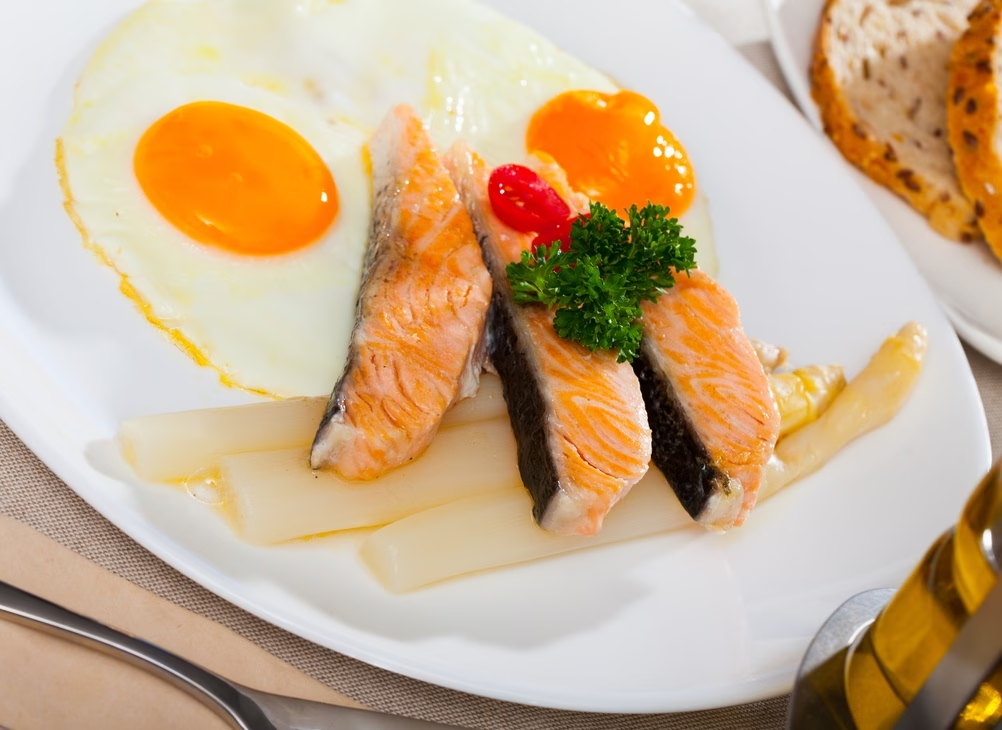
3. Smoked salmon, eggs and rye (31–35g)
Three eggs (19g), 50g of smoked salmon (9–12g) and a slice of rye toast (3–4g). No prep beyond cooking the eggs, and the salmon brings omega-3 fats along with the protein. Smoked salmon runs 18–24g of protein per 100g depending on the source, so the pack size does a lot of the work here.
4. Cottage cheese, fruit and nut bowl (27–39g)
200g of cottage cheese (22–34g), 20g of almonds (about 4g) and whatever fruit is in the fridge. Nothing to cook, which makes it the lowest-effort option here. The wide range is real: the Australian database lists cottage cheese at 17g per 100g, while the USDA’s figures sit at 11–12g, so read the tub.
5. Overnight oats with whey and chia (28–31g)
Stir 50g of rolled oats (6–7g), 250ml of milk (about 8g), half a scoop of whey, about 15g (12–13g), and a tablespoon of chia seeds (2–3g) into a jar the night before. Zero morning effort. A full scoop takes it to about 40g.
6. High-protein milk porridge (28–30g)
Cook 50g of oats (6–7g) in 300ml of high-protein milk (18g) and stir through a heaped spoon of peanut butter (4–5g). Dairy Farmers and Pauls both sell milks with 18g of protein per 300ml, about 6g per 100ml, against roughly 3.3g in regular milk (Food & Drink Business; Pauls). It’s the least-effort upgrade of all: same breakfast, one swapped ingredient. Here’s our take on whether high protein milk is clever nutrition or a gimmick.
7. Three-egg omelette with cheese (26–28g)
Three eggs (19g) and 30g of grated cheddar (about 7g), plus whatever vegetables need using up. Classic, cheap and quick. Eggs are the backbone of most high protein breakfasts: Australian Eggs puts a large egg at about 6.3g of protein, and both the Australian and US food databases list whole egg at 12.6g per 100g (Australian Eggs; AFCD; USDA).
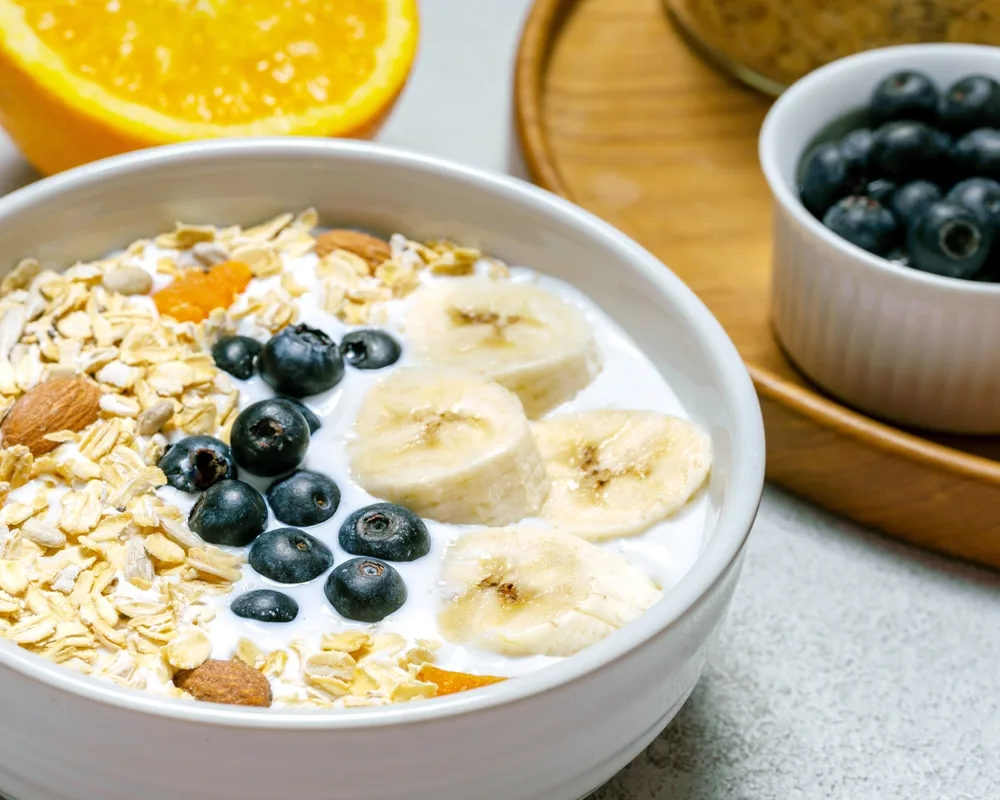
8. Greek yoghurt power bowl (25–28g)
200g of strained Greek yoghurt (17–20g), 30g of oats or granola (about 4g), 20g of almonds (about 4g) and berries. No cooking, and it scales up or down with the size of the bowl. The yoghurt you buy matters more than anything else in it: see the label check below.
9. Shakshuka with chickpeas (25g+)
Three eggs (19g) baked into a tomato sauce with 100g of canned chickpeas (6–7g), plus a little more from the tomatoes. The legumes add protein and fibre on top of the eggs, and it’s a good weekend option when you’ve got 20 minutes.
10. Tofu scramble on rye (21–30g)
200g of firm tofu crumbled and fried with vegetables (18–26g) on a slice of rye toast (3–4g). The vegan option on this list. Firm tofu varies a lot between brands (the databases list 9–13g per 100g), so pick the firmest block you can find and add beans on the side if your brand is at the low end.
What 25g of Protein Looks Like at Breakfast
If you just want to hit 25g without following a recipe, any of these will do it.
| 25g protein breakfast | Protein |
|---|---|
| Four eggs | 25g |
| One 30g scoop of whey in water | 23–26g |
| Two eggs and 300ml of high-protein milk | 31g |
| 200g strained Greek yoghurt and one boiled egg | 23–26g |
| Three eggs and a slice of rye toast with 20g of cheddar | 26–28g |
| 200g cottage cheese on its own | 22–34g |
How to Get 40g of Protein at Breakfast
Forty grams is a big breakfast without help from a scoop of powder. The two ideas on this list that get there are the protein pancakes and the smoothie, and both lean on whey. Without powder, the easiest whole-food route is four eggs (25g) with 50g of smoked salmon (9–12g) and a slice of rye (3–4g), which lands at 37–41g.
The other route is to double up on dairy: 200g of strained Greek yoghurt (17–20g) with a full scoop of whey stirred through (23–26g) gives you 40–46g in a bowl, and it tastes like a thick dessert. Our read: if you’re 90kg-plus or cutting hard, 40g at breakfast is worth the effort. If you’re not, 25–30g done every day beats 40g done twice a week.
Greek Yoghurt: Read the Label First
Not every tub that says “Greek” is a high protein food. Dairy Australia puts Greek yoghurt at about 10g of protein per 100g. But in Australia there’s no rule about how a “Greek style” yoghurt is made, and when CHOICE tested 61 natural yoghurts, the Greek ones averaged 6.1g per 100g against 6.3g for regular yoghurt. The best Greek options it found were around 9–10g per 100g, and the lowest had less than half that (Dairy Australia; CHOICE).
The fix is simple: turn the tub around and look for 9g or more per 100g. That’s the difference between a 200g bowl giving you 18g and giving you 10g. Worried about full-fat versions? We looked at the evidence on whether full-fat dairy is bad for you.
What If You Don’t Eat Meat?
Eggs, Greek yoghurt, cottage cheese and protein powder cover most vegetarians without any changes to the list above: only the smoked salmon needs swapping. Fully plant-based is more work. Tofu scramble, high-protein plant milks and stacking legumes (baked beans, chickpeas) alongside whatever else is on the plate are the main tools. For more ideas, see our high protein vegetarian meals.
For the bigger picture on why plant-based eaters need to be deliberate about total protein, not just breakfast, see what happened to lean mass in a recent randomized trial when that compensation didn’t happen.
Protein Powder at Breakfast: Worth It?
A scoop of whey blended into oats, pancake batter or a smoothie is the single fastest way to add protein to a breakfast that otherwise wouldn’t get near 25g. Whey powders run about 78–85g of protein per 100g in the Australian and US food databases, so a 30g scoop adds roughly 23–26g. Check your tub, as concentrates and isolates differ. If you’re choosing between them, we’ve compared the actual difference and which is worth the extra cost.
It’s a supplement, not a requirement: every idea above except the smoothie and pancakes works without it. Not sure how much protein you actually need across the day? Our protein calculator gives you a daily and per-meal target from your weight, age and goal, and our macro calculator adds your carbs and fat. And if mid-morning hunger still gets you, these high-protein snacks bridge the gap to lunch.
High Protein Breakfast FAQ
How much protein should be in a high-protein breakfast?
Aim for at least 25g. The International Society of Sports Nutrition suggests 20–40g per meal, and a 2018 review suggests about 0.4g per kilo of body weight, which is 32g for an 80kg man. For a full breakdown of daily protein targets and the highest-protein foods generally, see our complete high protein foods guide. Once breakfast is sorted, the same approach carries into lunch and dinner.
What is a 25g protein breakfast?
Four eggs is the simplest: about 25g. Other options are 200g of strained Greek yoghurt with a boiled egg (23–26g), a scoop of whey (23–26g), or two eggs with 300ml of high-protein milk (31g).
How do I get 40g of protein at breakfast?
The easiest ways are a smoothie with a scoop of whey, 300ml of milk, a banana and peanut butter (38–43g), or protein pancakes made with oats, two eggs and a scoop of whey (45–49g). Without powder, four eggs with 50g of smoked salmon and a slice of rye gets you to 37–41g.
How many eggs do I need for a high-protein breakfast?
A large egg has about 6.3g of protein, so four eggs gets you to 25g. Three eggs (19g) plus cheese, salmon or a glass of milk does the same job and is easier to eat.
Can a high-protein breakfast help with fat loss?
Indirectly, mostly through feeling full. In a small trial, a 35g protein breakfast increased fullness and reduced evening snacking on high-fat foods compared with skipping breakfast, though total daily calories didn’t change. Total daily protein and calorie balance still do the actual work.
What’s the quickest high-protein breakfast with no cooking?
A Greek yoghurt bowl (25–28g) or a cottage cheese, fruit and nut bowl (27–39g, depending on the brand). Both are assembly, not cooking. A protein smoothie is just as fast if you have a blender.
Is Greek yoghurt high in protein?
Strained Greek yoghurt is, at about 9–10g per 100g. But “Greek style” isn’t a regulated term in Australia, and some tubs have less than half that, so check the label for 9g or more per 100g.
Sources: Food Standards Australia New Zealand, Australian Food Composition Database (Release 3); USDA FoodData Central; Australian Eggs; NHMRC Nutrient Reference Values; Jäger et al., ISSN position stand, 2017; Schoenfeld and Aragon, 2018; Leidy et al., American Journal of Clinical Nutrition, 2013; CHOICE; Dairy Australia; Food & Drink Business, July 2025. Checked 14 November 2026.