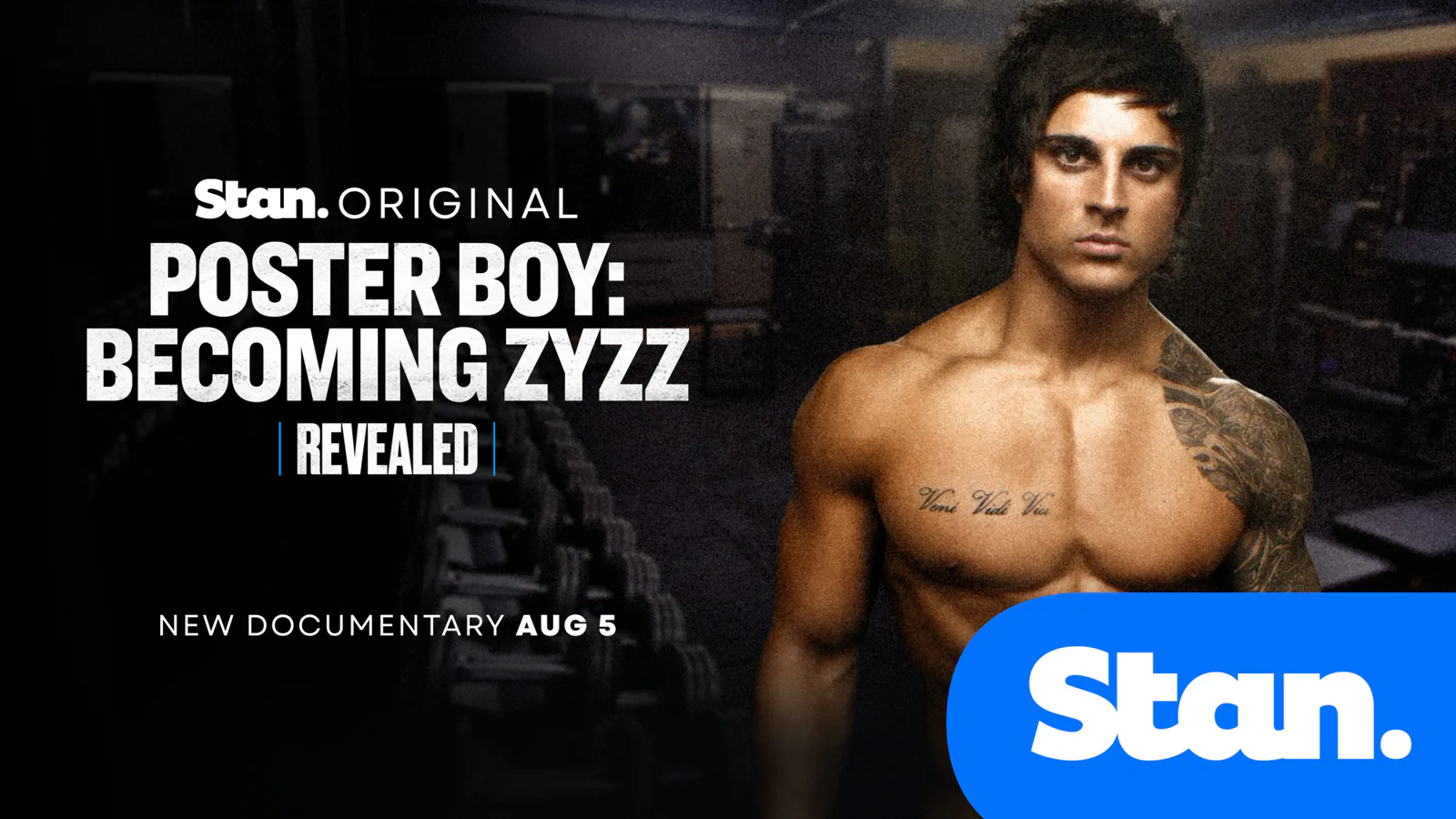
Fifteen years after Aziz “Zyzz” Shavershian died at just 22, a new Australian documentary is examining the man behind the physique, mythology and online persona that helped shape modern fitness culture.
Revealed – Poster Boy: Becoming Zyzz premiered on Stan on 5 August, exactly 15 years after his death. Directed by Selina Miles, it draws on unseen family material, private footage, interviews with his brother Said “Chestbrah” Shavershian and friends, and the findings of a toxicology report obtained with help from Aziz’s parents.
This is more than a nostalgia piece about a cult bodybuilding figure. It is the story of how a shy Sydney teenager built one of the internet’s earliest and most influential fitness personas, years before “influencer” became a job title.
Before fitness influencing became an industry
Zyzz did not invent bodybuilding, vanity or online bravado. What he did was combine physical transformation, character, catchphrases, physique and relentless self-promotion into something recognisably modern.
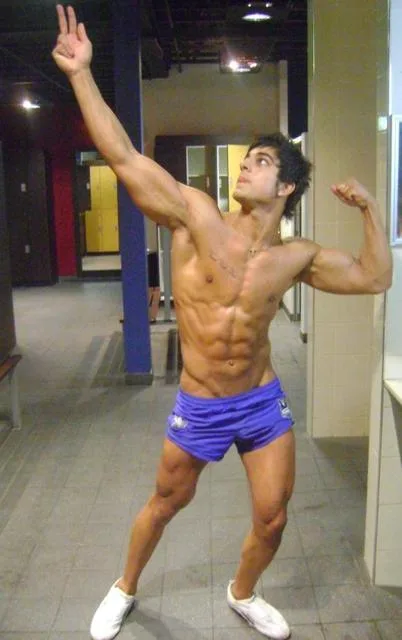
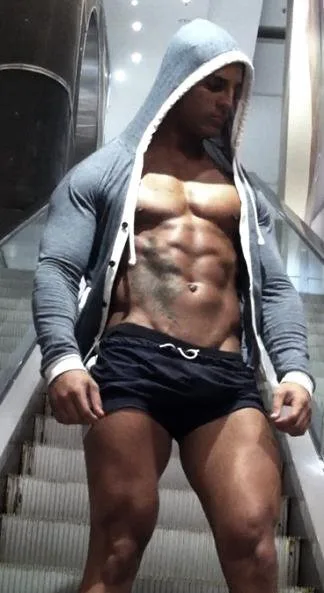
After starting on bodybuilding forums, Shavershian began uploading videos to YouTube in 2007. His exaggerated confidence, lean “aesthetic” physique and refusal to take conventional bodybuilding culture too seriously made him instantly shareable.
The body was important, but it was never the entire product.
Zyzz sold transformation. He presented himself as the awkward, insecure kid who had rebuilt his body, social standing and identity. His message was that anyone could stop being invisible and become the person commanding the room. That promise still powers much of fitness social media.
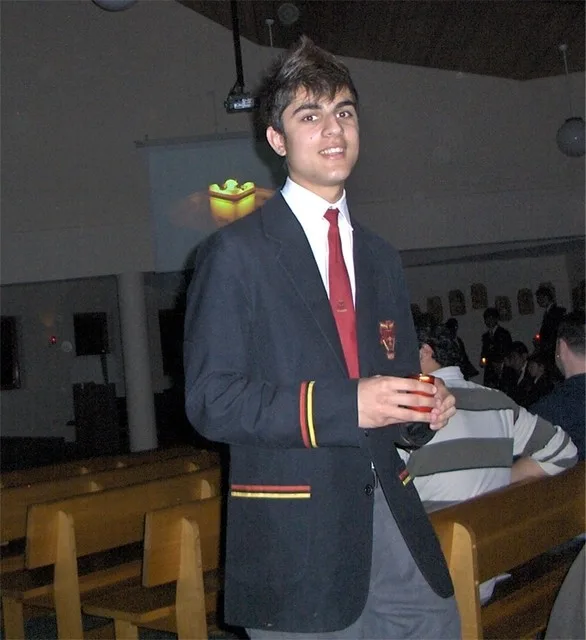
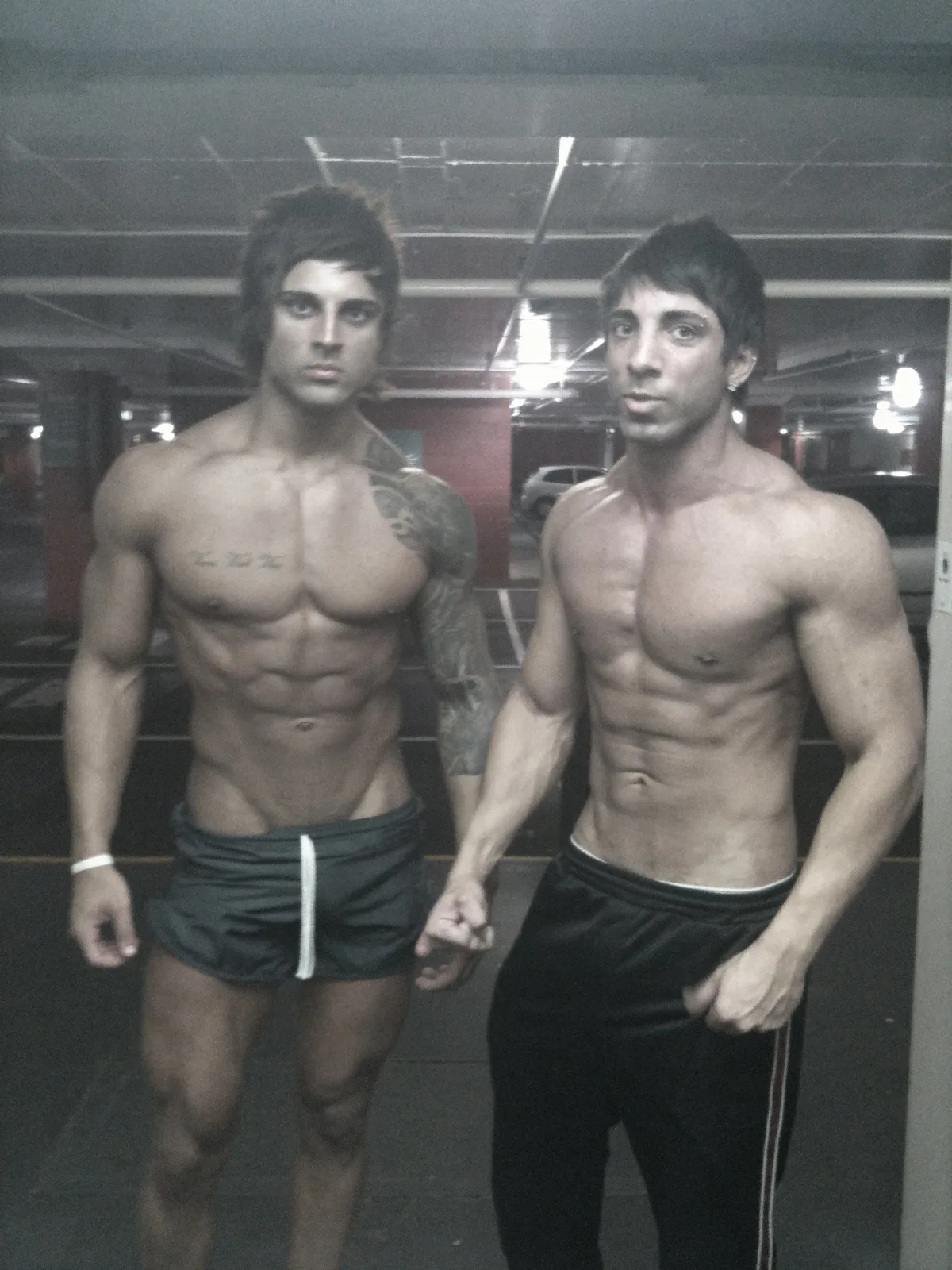
Before-and-after photos, motivational edits, carefully constructed characters, fan communities, branded language and aspirational lifestyles are now standard parts of the influencer business. Zyzz was doing all of them while most personal trainers were still handing out business cards.
The person behind the performance
The strength of Poster Boy: Becoming Zyzz is its attempt to separate Aziz Shavershian from the character he performed online.
Stan describes the documentary as the story of an awkward teenager who transformed himself into a hyper-confident viral figure. The participation of his family and friends gives the film access to the less familiar parts of that transformation: his upbringing, insecurity, relationships and the growing distance between the person and the persona.
His brother Said has described the documentary as deeply personal, saying it shows the successes and darker parts of a movement that grew far beyond anything the brothers initially imagined. That distinction matters.
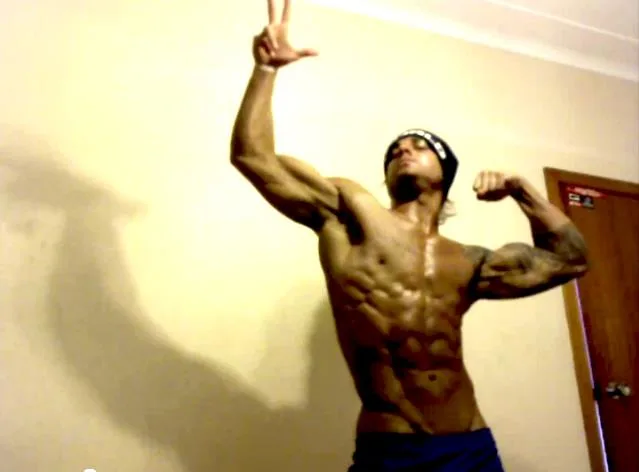
Zyzz is often remembered as a collection of memes: the posing, dance music, catchphrases and endlessly recycled gym edits. Reducing him to those clips makes it easy to miss why so many young men connected with him.
The character offered confidence to people who felt they had none. It offered community to outsiders and a visible route from insecurity to social recognition.
The problem was that the transformation came with a standard that was difficult, expensive and potentially dangerous to maintain.
What the documentary reveals about Zyzz’s death
Shavershian died in Thailand in August 2011. For years, the widely repeated account was that he suffered a heart attack in a sauna, with an undiagnosed congenital heart condition frequently presented as the underlying explanation. The documentary complicates that account rather than completely dismissing the role of his heart.
According to the toxicology findings obtained by director Selina Miles with assistance from Aziz’s parents, Shavershian died from acute respiratory failure following the combined use of morphine, cocaine and benzodiazepines.
The film also confirms that he had an enlarged heart. What caused that enlargement remains unknown. Miles told Guardian Australia that it could have been connected to steroid use or another factor, but the available evidence does not provide a definitive answer.
The accurate distinction is important: Shavershian had an enlarged heart of uncertain origin, but the toxicology finding presented in the film attributes his death to a fatal drug interaction, not a heart attack in a sauna.
That revelation places the documentary’s discussion of performance-enhancing drugs, recreational drug use, body-image pressure and the demands of maintaining the Zyzz persona in a more serious context.
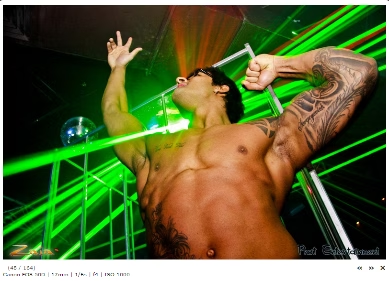
His death was followed by rumours, conspiracy theories and supposed sightings. Rather than fading, the mythology expanded. New audiences discovered his videos, old clips were continually reposted and Zyzz became a permanent reference point in online lifting culture.
The complicated Zyzz legacy
It would be easy to turn this into a simple cautionary story about vanity and drugs. It would also be incomplete.
Zyzz inspired plenty of young men to start training, improve their confidence and find a community. His rejection of humourless bodybuilding culture made lifting appear social, expressive and fun.
But his legacy also sits beside some of the more troubling elements of today’s fitness internet: obsessive body comparison, casual performance-enhancing drug use, extreme appearance standards and the belief that building a better body will solve every insecurity.
The modern looksmaxxing movement, transformation influencers and physique-driven corners of the manosphere did not come directly from one person. However, Zyzz demonstrated how effectively male insecurity could be converted into an online identity and a highly engaged audience.
He also demonstrated the danger of becoming trapped inside that identity.
When followers expect constant confidence, physical perfection and escalating behaviour, admitting weakness becomes difficult. The internet rewards the character more reliably than it protects the person playing him.
Why the documentary matters now
The film arrives during a disturbing period in the more extreme corners of male appearance culture.
Looksmaxxing creator Connor Murphy died after drowning in Thailand in July. In April, Braden Eric Peters, known online as Clavicular, survived an overdose during a livestream.
Those incidents do not prove that a single movement or influence is responsible. They do show that body-image obsession, risky behaviour and the pressure to perform constantly for an online audience remain dangerously entangled.
Young men are now surrounded by transformation content, supplement advertising, edited physiques and influencers offering confidence through increasingly extreme routines. The platforms are larger, the production is slicker and the commercial machinery is far more sophisticated.
The underlying promise remains remarkably similar: change your body and you can change who you are.
Poster Boy: Becoming Zyzz examines one of the earliest and most influential versions of that promise. It also asks what happens when an internet persona grows faster than the young person inside it.
Zyzz helped build the blueprint for the modern fitness influencer. Fifteen years after his death, the consequences of that blueprint are still unfolding.
Revealed – Poster Boy: Becoming Zyzz is streaming on Stan.