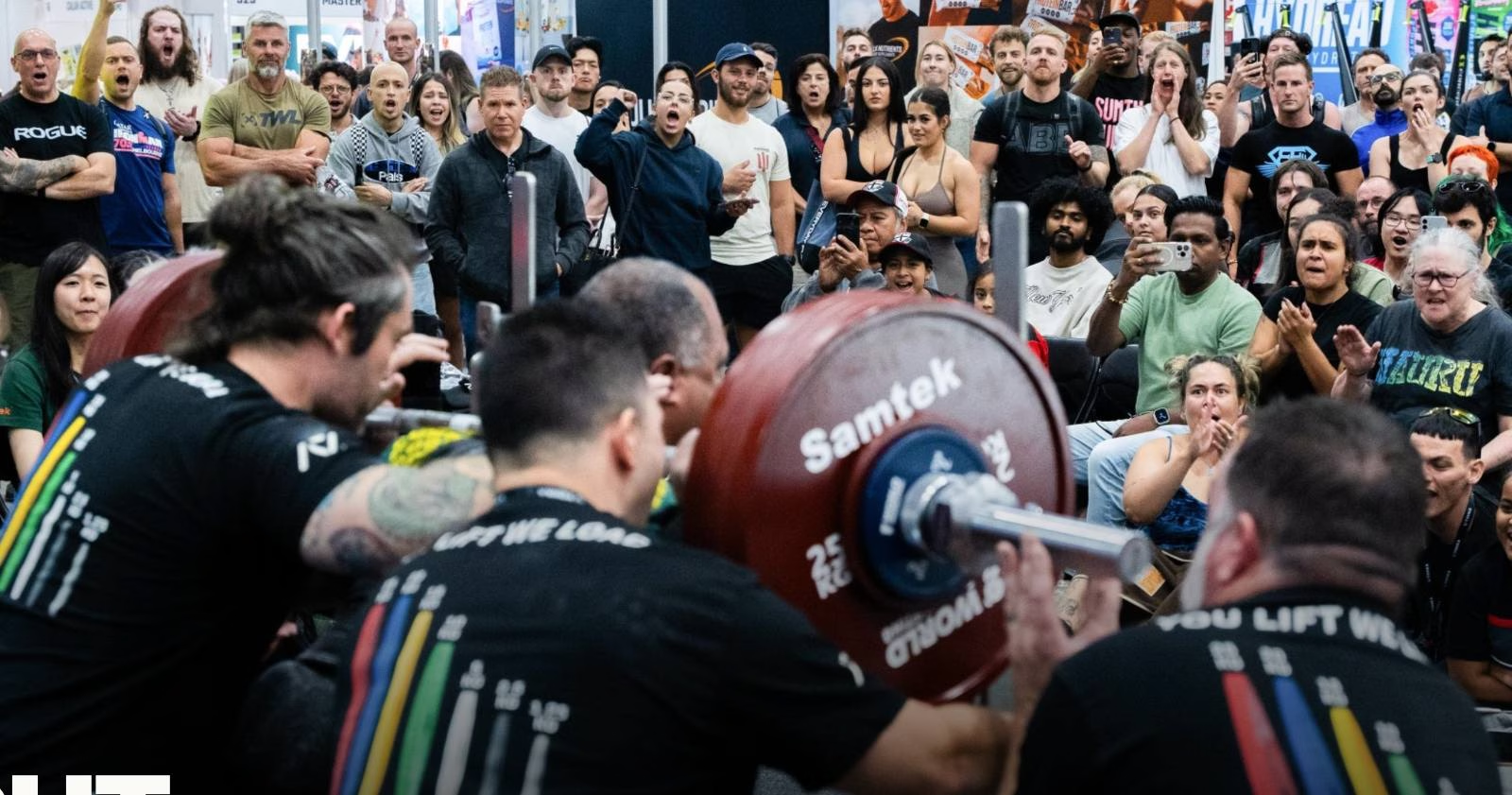
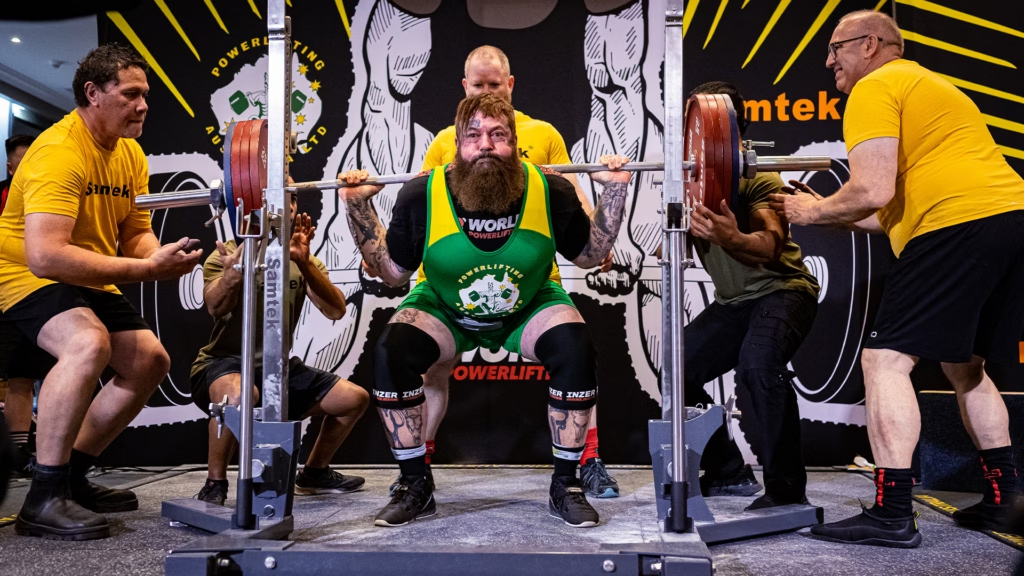
The Oceania Powerlifting Championships runs this Friday through Sunday at Advanced Athletes Performance, in Preston, Melbourne under World Powerlifting and Powerlifting Australia. It’s a WADA-compliant event, with athletes also subject to out-of-competition testing under the anti-doping policy. That single fact explains almost everything else in this preview, including why the numbers below look smaller than a viral training clip.
What actually gets scored
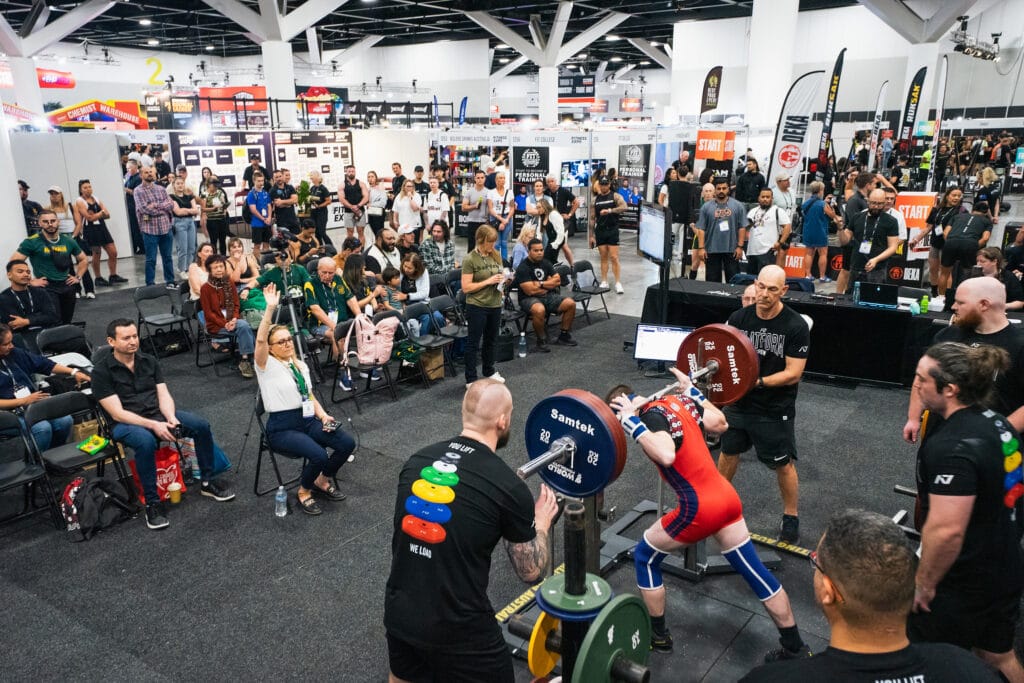
A powerlifting meet is three lifts, three attempts each: squat, bench press, deadlift, in that order. You nominate your own opening weight for each lift and choose what to jump to next based on whether the last attempt went through clean — miss too big a jump and you can bomb out of a lift entirely, which is why smart attempt selection matters as much as raw strength on the day. Best successful attempt in each lift gets added together for a total. Whoever lifts the most total weight in their bodyweight class and division wins. That’s the entire scoring system — no style points, no reps, just the heaviest bar you can get through a judged, legal rep on the day.
What a winning total actually looks like
Neither World Powerlifting nor Powerlifting Australia has published a start list for this event as of writing, so rather than guess who’s walking out, here’s what winning actually requires at world level in the two classes closest to a typical bigger bloke’s build.
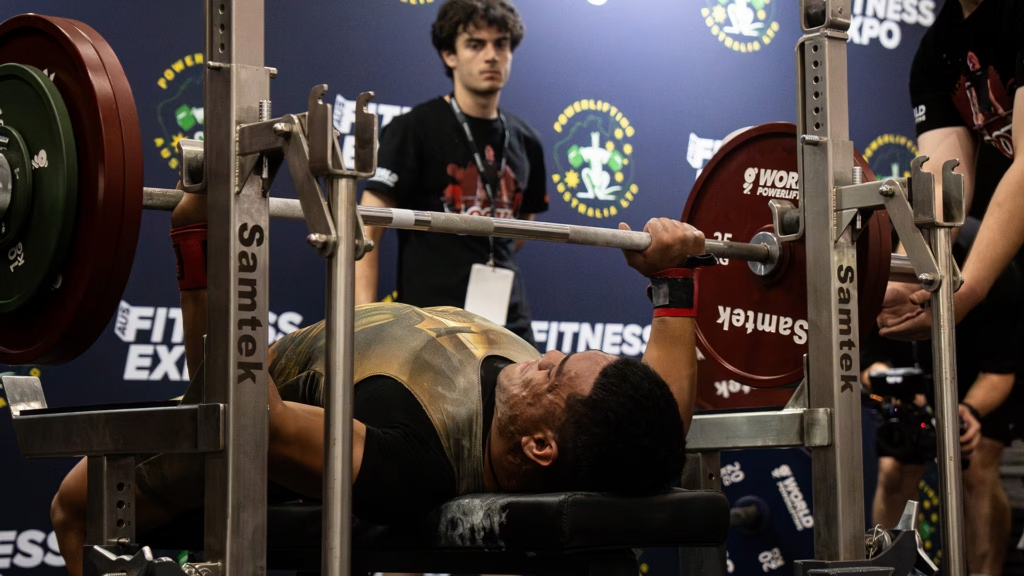
In the 94 kg class, the open squat record is 322 kg, held by Dave Mwardaga of Nauru, and the deadlift record is 326 kg, held by Qi Liu of China — a combined total record of 810 kg across all three lifts. In the 105 kg class, the total record is 895 kg, set by Krzysztof Wierzbicki of Poland, whose deadlift alone in that total was 400 kg. The 105 kg squat record, 335 kg, also belongs to an Oceania lifter: Bronco Deiranauw of Nauru.
Those are world records, not a prediction for Saturday. But they’re the ceiling this weekend’s field is measured against, and it’s worth clocking that two of them belong to lifters from a Pacific nation of about 12,000 people.
Forget 504 kg
Last month, Raul Flores pulled 504 kg in a training video that went properly viral. That number is real, and it’s genuinely enormous. It’s also not from a tested federation, not from a sanctioned meet, and it’s one lift on one day picked specifically because it would look incredible on camera — not a total across three lifts, three attempts each, under judges, after weigh-in, in front of a drug-testing program.
The 105 kg world deadlift record under World Powerlifting’s testing regime is 400 kg. That gap between 400 and 504 isn’t really about who’s stronger. It’s about what each number is actually measuring, and testing is the biggest single variable in that gap. Different sport, different rules, different question being answered.
Who’s likely to show up
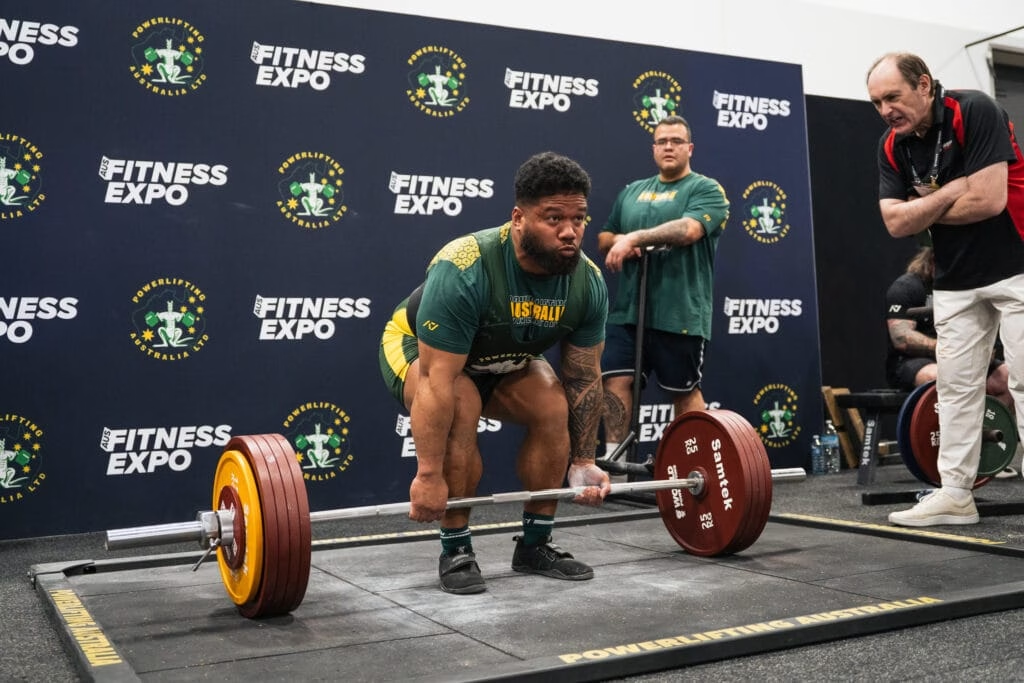
With no public entry list, the safest bet is the field: this is the regional championship for Oceania, open to national teams from the region plus invited Asian nation teams and guest lifters, across Open, Junior and Masters divisions. Australian lifters make up the bulk of the entries at most Oceania-hosted editions, with Pacific nations — historically strong at the heavier classes, as those two Nauru records suggest — supplying some of the most dangerous lifters in the room. For the Australian team specifically, this weekend also feeds into World Championships selection — Powerlifting Australia ties team selection to events like this one, not just to a medal on Sunday night.
Where you’d sit
If you want an honest read on your own numbers against any of this, test your actual one-rep max properly rather than guessing off a good day in the gym, and if bench is your weak lift relative to the other two, there’s a specific way to fix that rather than just adding more bench day. The full September events calendar has everything else on this weekend if Preston isn’t your only option.