

You’ve been eating well, training hard and the scale has been dropping. Then it stops, for weeks, and nothing you do seems to shift it. That’s a weight loss plateau, and it’s the point where a lot of blokes give up, which is a shame, because the research says a stall is normal and fixable, not a sign you’ve failed.
- What it is: weeks of little or no weight loss while you stick to the plan
- When: usually around six months into a diet
- Main driver: appetite, which rises about 100 calories a day for each kilo lost
- CSIRO finding: people who stalled still lost serious weight over a year
- Fixes: recalculate, track food, more protein, lift, move, sleep, diet breaks
What is a weight loss plateau?
It isn’t a few days of the scale bouncing around. It’s a flat line that lasts weeks, and it’s close to universal. Metabolism researcher Kevin Hall and obesity specialist Scott Kahan describe the same pattern across almost every type of diet: early rapid weight loss, then a plateau, then gradual regain. A 2007 review of 80 weight-loss trials found people lost an average of 5 to 8.5kg in the first six months, then levelled off.
Why the scale stalls
Your appetite fights back. This is the big one. A 2016 study co-authored by Hall found that for every kilo lost, appetite rises enough to drive eating about 100 calories a day higher, more than three times the drop in calories burned. Portions grow a little, one biscuit becomes two, and the deficit is gone.

Your metabolism slows. A smaller body burns less, and the body also defends its fat stores with a further drop in energy use, called adaptive thermogenesis. Six years after The Biggest Loser, contestants’ resting metabolism was still lower than their size predicted. Our read: an extreme case, but the effect is real.
You move less without noticing. In a six-month trial at the Pennington Biomedical Research Center, activity levels fell in the diet-only groups but not in the group doing structured exercise.
Water hides the fat loss. Glycogen is stored with water, so a big carb day or a salty meal can mask fat loss for a few days. A few flat days mean nothing. A flat month does.
Your calories no longer match your body. The target that worked at 100kg is too high at 90kg. Hall and Kahan call the old weight-loss rules “fatally flawed” for ignoring that.
How long does a weight loss plateau last?
Until something changes. Left alone, the pattern in trials is a stall followed by slow regain. Our read: if your weekly average hasn’t moved for three to four weeks and you’ve been honest about what you’re eating, it’s a real plateau and time to act. Under two weeks, it’s probably water.
What the CSIRO study found
In April 2025, CSIRO put out a release headed “Debunking weight loss plateaus: Science says you don’t have to lose to win”. It was based on a study in the Journal of Medical Internet Research that tracked the week-by-week weight of 6,602 members of its Total Wellbeing Diet online program over their first 12 months.
- The most common pattern, in about 15% of members, was six months of loss then six months of maintenance. That group still lost about 11kg over the year, roughly 12% of their starting weight.
- The more often members used the program’s meal plans, food diaries and trackers, the more they lost.
“The reality is weight loss isn’t linear. Periods of maintenance and small regains are normal, but with persistence, meaningful results can happen,” said lead researcher Dr Gilly Hendrie.
So the myth isn’t that plateaus happen. It’s that a plateau means the diet has stopped working. Two caveats: it’s an observational study of paying members, and about 83% were women. The fixes below lean on research that included men.
8 ways to break a weight loss plateau
1. Make sure it’s a real plateau
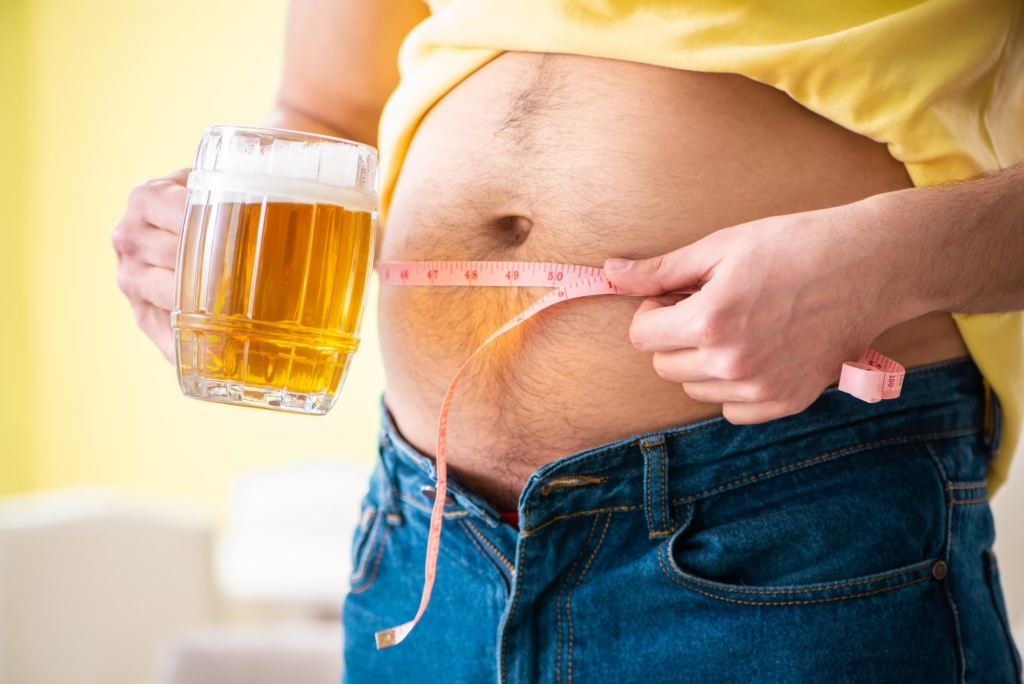
Weigh yourself at the same time each morning and watch the weekly average, not any single day. Add a waist measurement every week or two. If your waist is shrinking while the scale sits still, you’re losing fat.
2. Recalculate your calories
Rework your maintenance calories at your current weight and set a fresh deficit. Our guide to calorie counting walks through how.
3. Track what you actually eat for two weeks
Our read: with appetite rising, the likeliest reason you’ve stalled is that you’re eating more than you think. In the CSIRO data, regular use of food diaries and trackers went with better results. Log everything, including oils, sauces and weekend beers.
4. Push your protein up
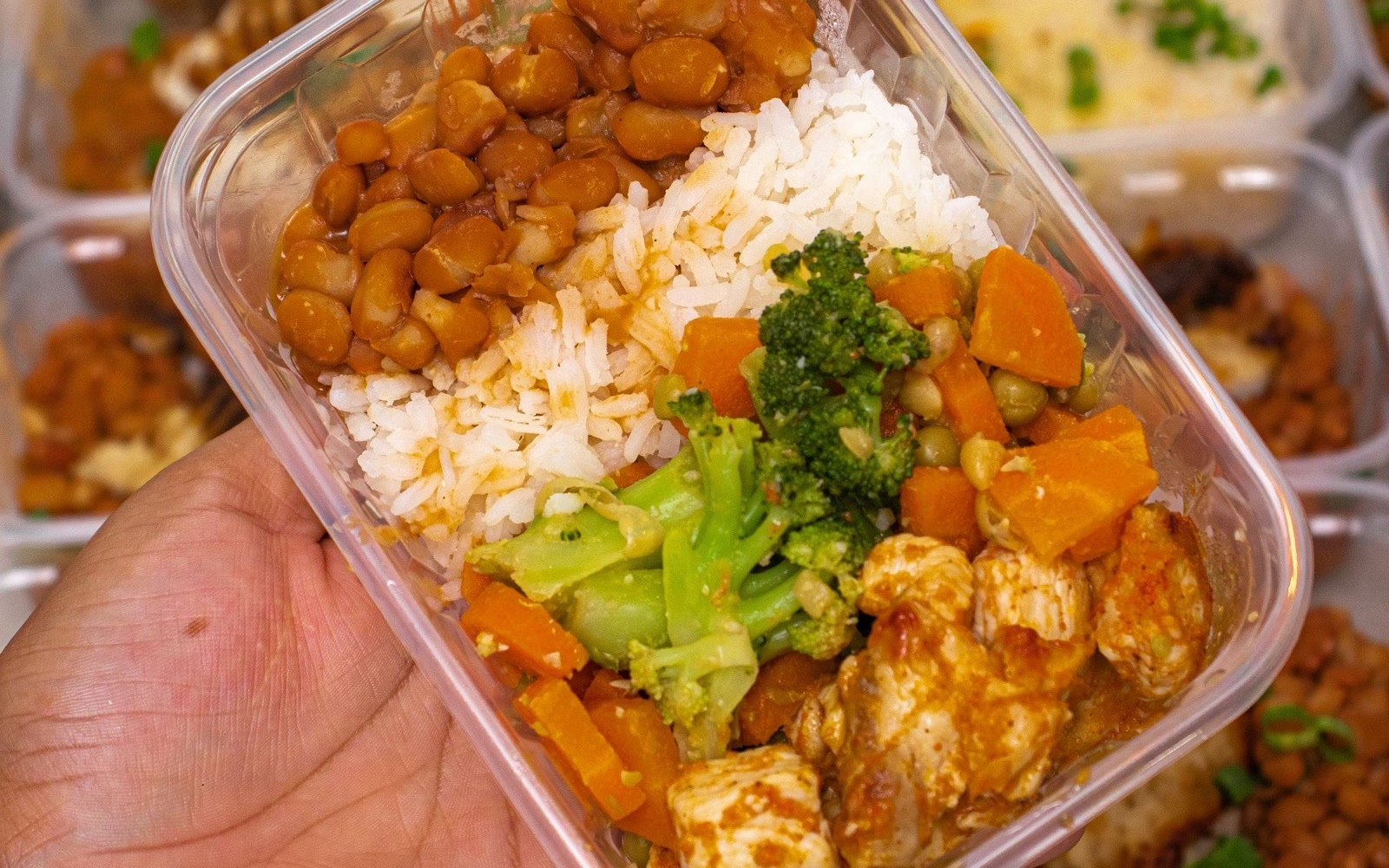
Protein keeps you fuller and helps hold muscle in a deficit. The International Society of Sports Nutrition says 1.4 to 2.0g per kilo of bodyweight a day suits most people who exercise, and lifters may need 2.3 to 3.1g per kilo while dieting. Start with a high-protein breakfast and build dinners like this high-protein chilli con carne around meat, fish, eggs or dairy.

5. Lift weights
Dieting strips muscle along with fat. Resistance training helps preserve muscle during weight loss. Our read: three full-body sessions a week built around squats, presses, rows and deadlifts is plenty. It matters even more on a weight-loss jab: see GLP-1 drugs and muscle loss.

6. Keep your daily movement up
Our read: set a daily step floor based on your current average, take calls on your feet and walk after dinner. Bored of walking? Throw a pack on and try rucking.
7. Sleep more
In a University of Chicago study, dieters lost about the same weight on short sleep as on long sleep, but far less of it was fat: cutting time in bed from 8.5 to 5.5 hours reduced fat loss by 55%. Our read: fix your sleep before you cut another calorie. Here’s how to fall asleep fast.
8. Take a planned diet break
In the University of Tasmania’s MATADOR study, 51 men with obesity cut calories by a third. One group dieted straight for 16 weeks; the other alternated two weeks of dieting with two weeks at maintenance. The on-off group lost more fat, and their metabolism slowed less, and six months later they were about 8kg further down. It was a small study. Our read: a break at maintenance (not a fortnight-long blowout) costs you little if you’re worn down.
Plateau fixes at a glance
| Fix | Why it works |
|---|---|
| Weekly average plus waist tape | Separates fat loss from water swings |
| Recalculate calories | Your daily burn drops as you get lighter |
| Track food for two weeks | Appetite creep is a big driver of plateaus |
| More protein | Keeps you full and protects muscle |
| Lift three times a week | Holds on to muscle and strength |
| Step floor | Stops everyday movement sliding |
| More sleep | More of the weight you lose comes from fat |
| Planned diet break | Can ease hunger and metabolic slowdown |
Our read: expect the plateau. The difference between the people who end the year well down and the ones who give up is mostly what they do next. For the last stubborn kilos, see 15 ways to lose the last 5kg, how to lose a beer belly and the fat guy’s guide to losing weight.