Before anyone gets near SEAL training, they have to pass a screening test in a pool, on the floor and on a track: the Physical Screening Test, or PST. It’s five events back to back, and the minimums look achievable on paper. Here are the official standards, the rules that catch people out, and how to train for it, whether you’re applying or just want to know if you’d make the cut.
- 500-yard swim: 12:30, sidestroke or breaststroke only
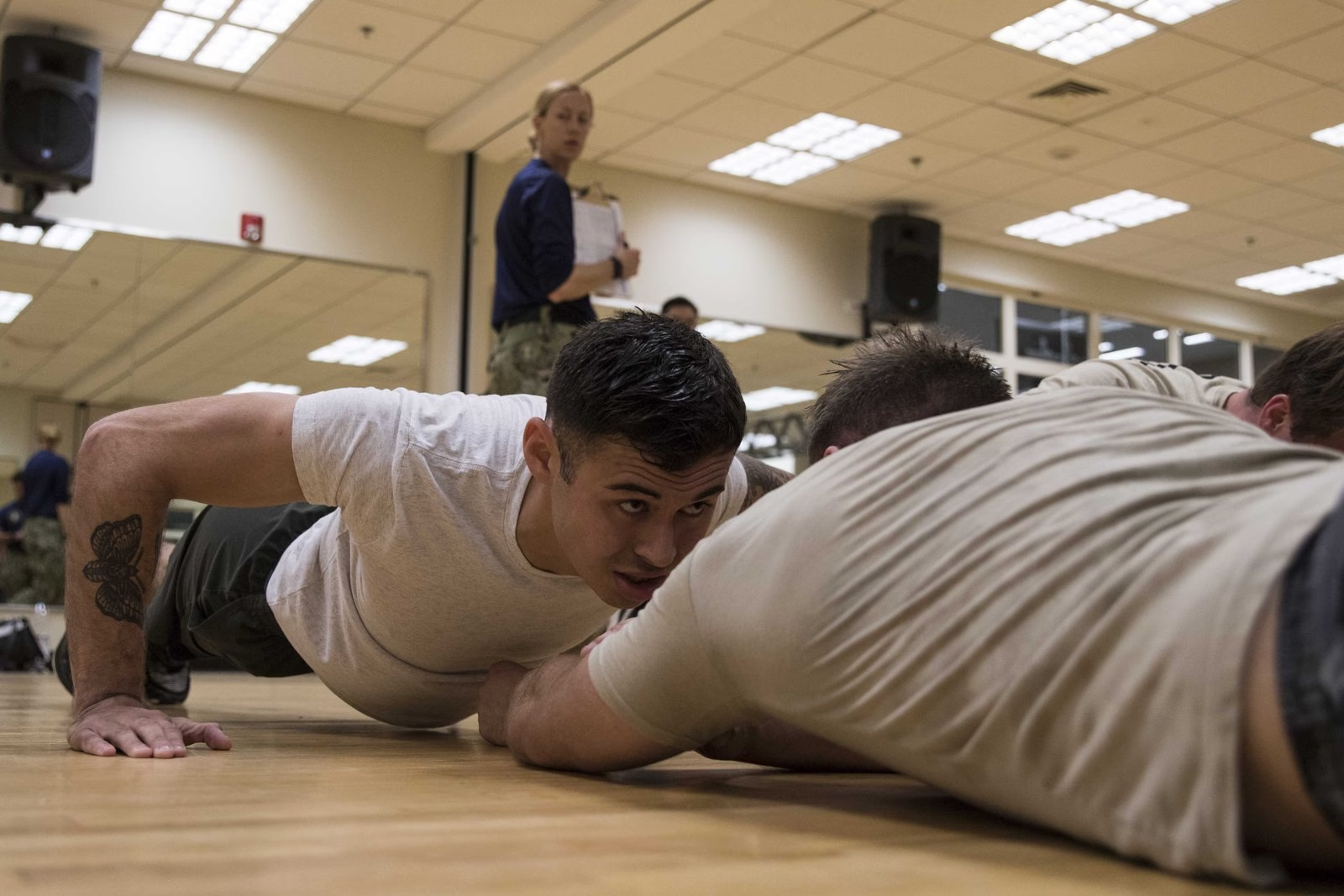
- Push-ups: 50 in 2 minutes
- Curl-ups: 50 in 2 minutes
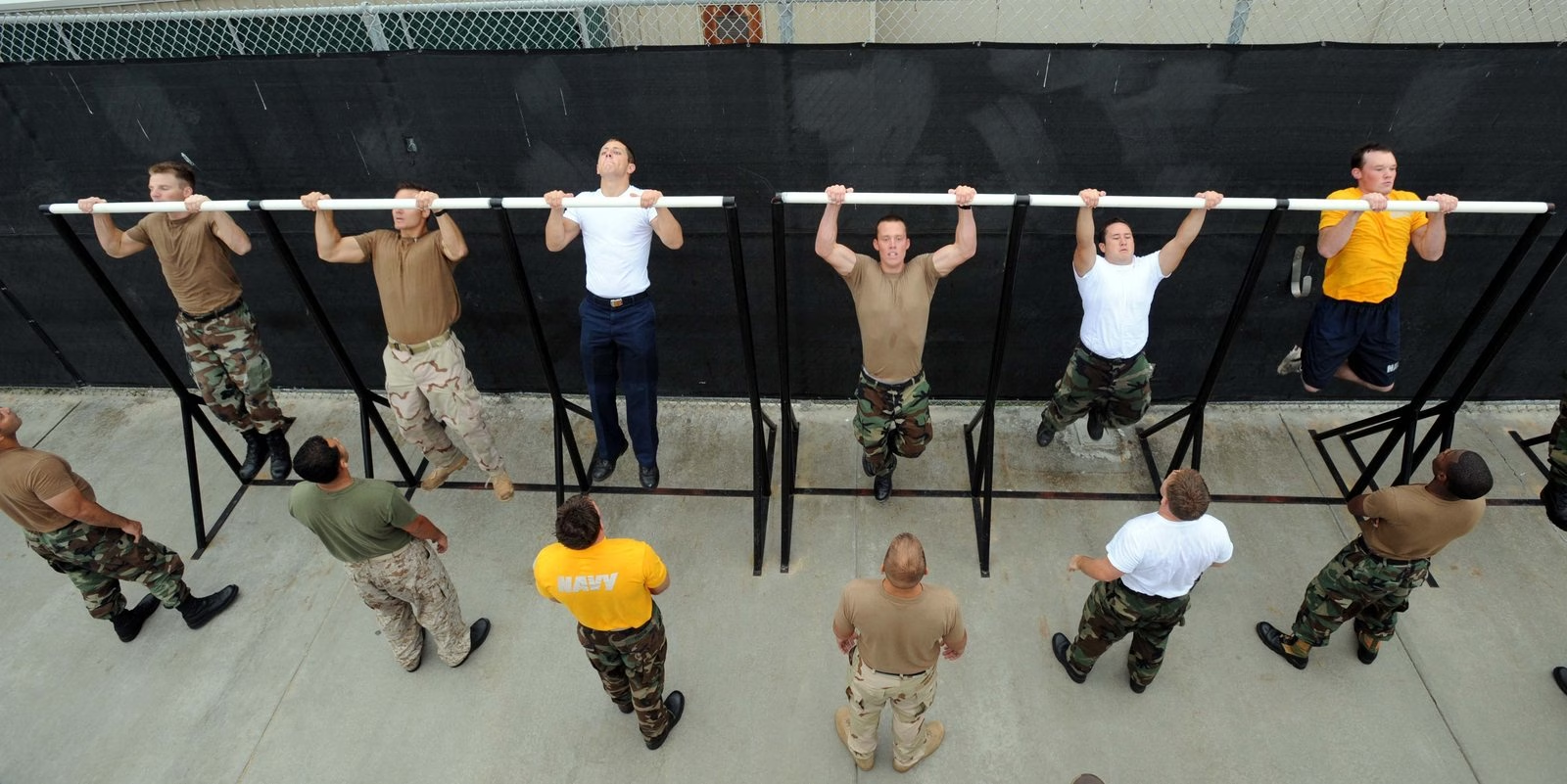
- Pull-ups: 10, no time limit
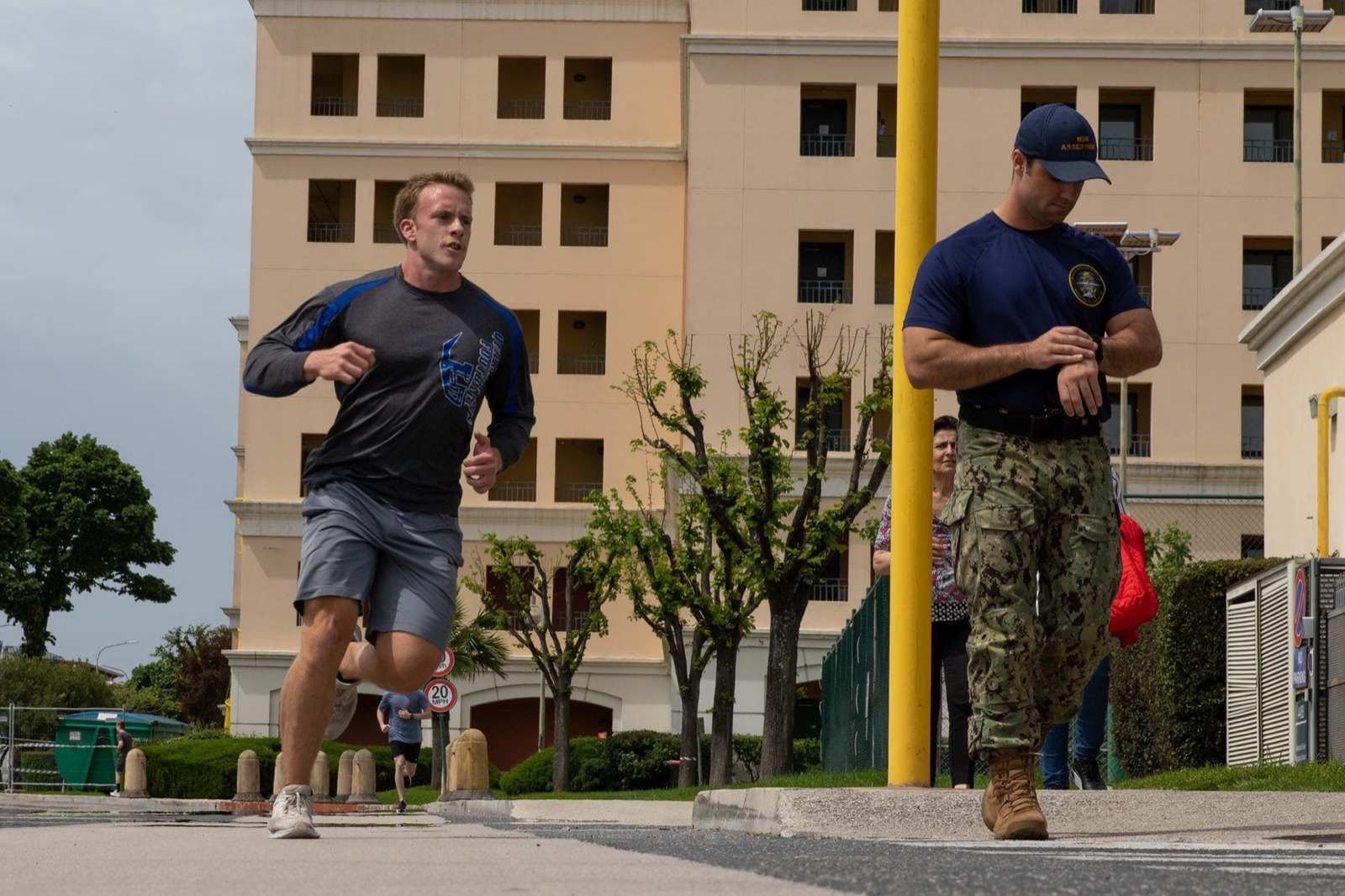
- 1.5-mile run: 10:30
- Source: US Navy MILPERSMAN 1220-410, the current edition (change 77, December 2021)
What is the Navy SEAL fitness test?
The PST is the US Navy’s physical screening test for its toughest jobs: SEALs, special warfare boat crews (SWCC), bomb disposal (EOD), Navy divers and aviation rescue swimmers. Candidates have to meet their program’s minimum scores to get a contract, and keep meeting them all the way through the training pipeline. The rules are set out in the Navy’s personnel manual, MILPERSMAN 1220-410 (US Navy).
It’s done as a single event, in this order, with fixed rests:
| Event | Then rest |
|---|---|
| 1. 500-yard swim | 10 minutes |
| 2. Push-ups, max in 2 minutes | 2 minutes |
| 3. Curl-ups, max in 2 minutes | 2 minutes |
| 4. Pull-ups, max, no time limit | 10 minutes |
| 5. 1.5-mile run | done |
Navy SEAL PST standards
These are the minimums for a SEAL contract. The Navy’s own wording is blunt: candidates “should strive to achieve significantly more than the minimum standards”. Meeting them gets you screened; it doesn’t get you through training.
| Event | SEAL minimum |
|---|---|
| 500-yard swim | 12:30 |
| Push-ups (2 min) | 50 |
| Curl-ups (2 min) | 50 |
| Pull-ups | 10 |
| 1.5-mile run | 10:30 |
In metric terms, 500 yards is about 457 metres (the manual rounds it to 450) and 1.5 miles is 2.41 km. A 10:30 run is 7 minutes a mile, or about 4:21 per kilometre. A 12:30 swim is 2:30 per 100 yards. (Our maths.)
How the SEAL standards compare with other Navy jobs
| Program | Swim | Push-ups | Curl-ups | Pull-ups | Run |
|---|---|---|---|---|---|
| SEAL | 12:30 | 50 | 50 | 10 | 10:30 |
| SWCC (boat crews) | 13:00 | 50 | 50 | 6 | 12:00 |
| Navy Diver (M2DV) | 12:00 | 50 | 50 | 6 | 11:30 |
| Navy Diver (M1DV) | 12:30 | 50 | 50 | 6 | 12:30 |
| EOD (bomb disposal) | 12:30 max* | 50 | 50 | 6 | 12:30 max* |
| Aviation rescue swimmer | 12:00 | 42 | 50 | 4 | 12:00 |
SEALs need the most pull-ups and the fastest run. US Navy divers need the fastest swim. (Australia’s clearance divers train at HMAS Penguin, the Navy base at Balmoral in Sydney, on their own tests: more on those soon.)
The rules that catch people out
The rules are strict, and reps that don’t meet the standard aren’t counted. Practise to these, not to your gym habits:
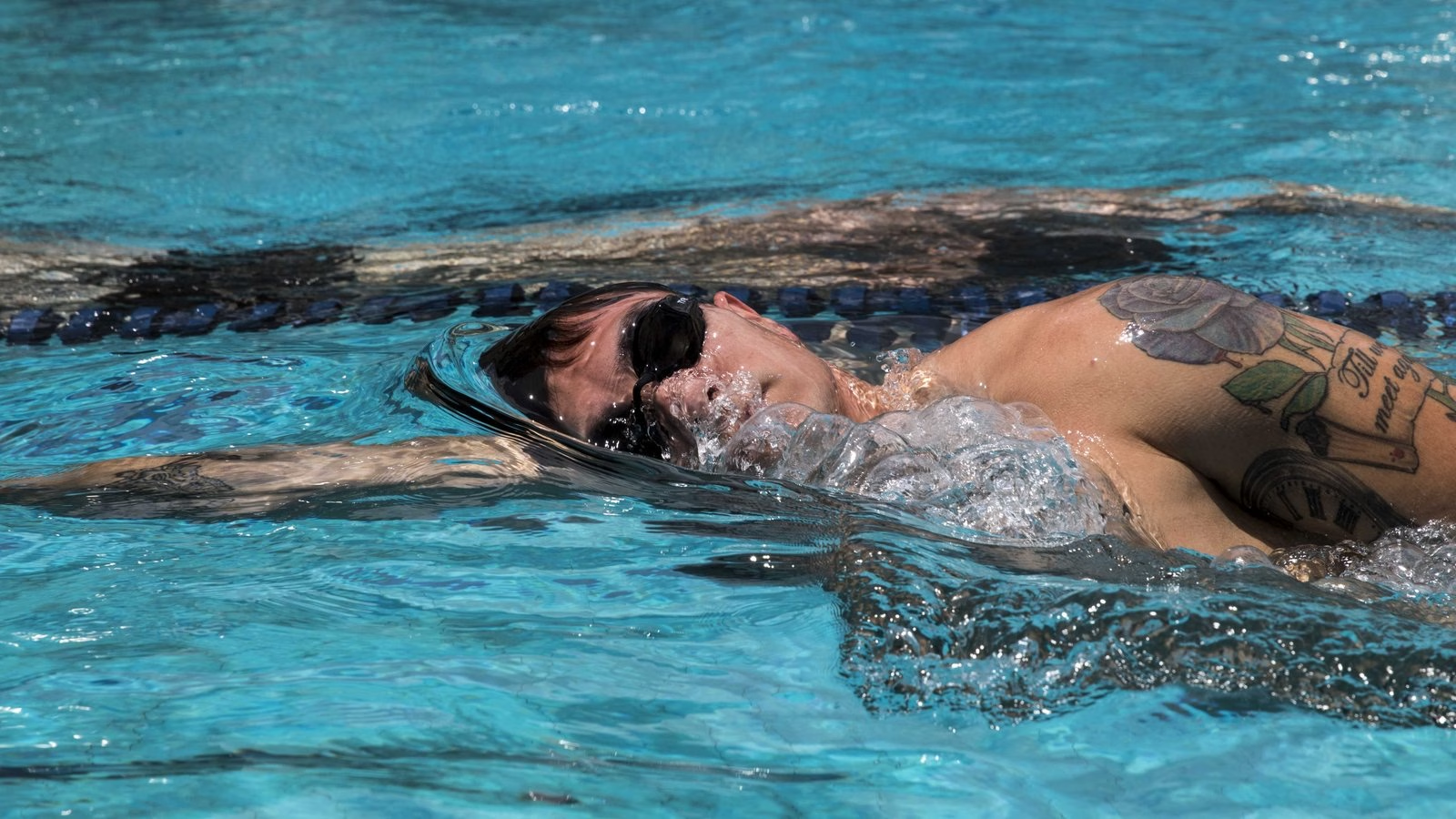
- No freestyle. SEAL candidates must swim sidestroke or breaststroke, and the hand has to stay under the water on the recovery. One overhand stroke ends the event. Push off the walls, but rest only by floating or treading water: no standing, holding the side or the lane ropes. No fins, wetsuit or swim cap; goggles are optional
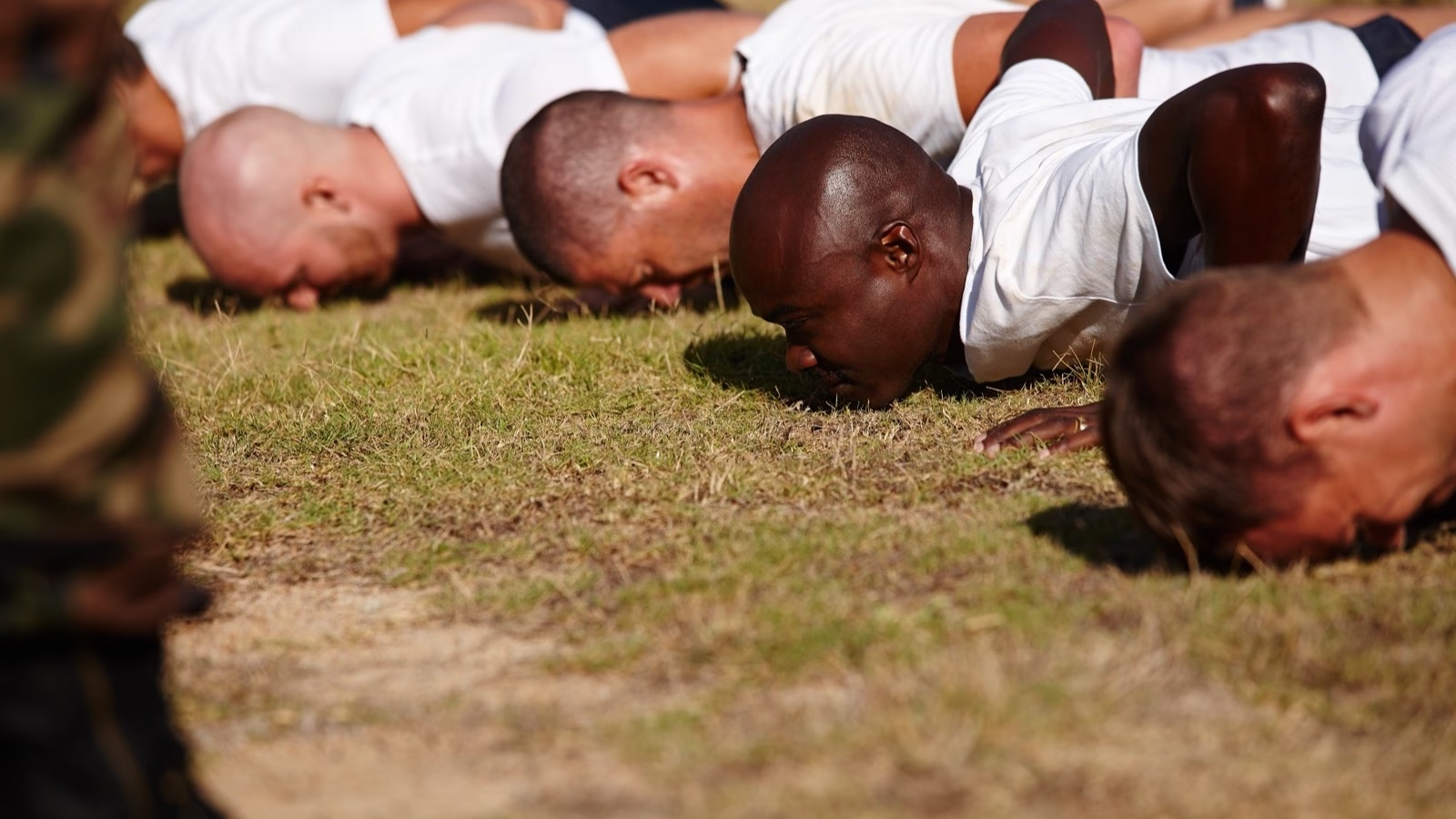
- Push-ups to 90 degrees. Body straight from head to heels, feet together, and down until your upper arms are parallel to the floor. You can only rest at the top. Knees down, a hand off the floor or more than two warnings ends it
- Curl-ups, not sit-ups. Knees bent, feet held down by a partner’s hands, arms folded across the chest. Elbows touch the thighs within 3 inches of the knees, then shoulder blades back to the floor. Stay down for more than 5 seconds and it’s over
- Strict pull-ups. Start from a dead hang with straight arms, chin to or over the bar, no kipping or swinging. You can rest hanging, but let go and the event ends
- The run. 1.5 miles on a flat course in running shoes, shorts and a t-shirt. Stop running or walking for anything but a shoelace and you’re done
How to train for the Navy SEAL PST
Train it the way it’s tested: in order, with the rests, and to the standard. A sensible week for someone already reasonably fit:
| Day | Session |
|---|---|
| Monday | Swim: 10 × 50 yd sidestroke or breaststroke on a fixed interval, plus technique drills |
| Tuesday | Strength: push-ups, curl-ups and pull-ups, several sets each, stopping short of failure |
| Wednesday | Run: intervals at your goal pace (about 4:20 per km for a 10:30 run), easy jog between |
| Thursday | Swim: a timed 500 yd at even pace, then easy laps |
| Friday | Strength again, plus a dead hang or two for grip |
| Saturday | Long easy run or ruck |
| Sunday | Rest |
Then, every three or four weeks, run a full mock PST in order with the official rests and record every number. The rests are short enough that the swim takes something out of your push-ups, and the pull-ups take something out of your run. That’s the point of the test, and the only way to prepare for it is to practise it.
No pool and no pull-up bar yet? Start with our free 28-day military calisthenics plan: its day 1 and day 28 test includes 2 minutes of push-ups and a 2.4 km run, which is the PST run distance. Over 40? Use the over-40 version. Then check your numbers against our push-up standards and pull-up standards.
Navy SEAL fitness test FAQ
What are the minimum scores for the Navy SEAL PST?
A 500-yard swim in 12:30, 50 push-ups and 50 curl-ups in 2 minutes each, 10 pull-ups and a 1.5-mile run in 10:30, done in that order with set rests.
Can you swim freestyle in the SEAL PST?
No. SEAL candidates must use sidestroke or breaststroke with no overhand recovery. Only aviation rescue swimmer candidates may swim crawl.
How many pull-ups do you need to be a Navy SEAL?
At least 10 strict pull-ups from a dead hang, with no kipping. The Navy advises aiming well above the minimum.
Is the PST the same as BUD/S?
No. The PST is the screening test you pass to get a SEAL contract. Training comes after, and candidates must keep meeting the PST minimums throughout it.
Are sit-ups or curl-ups used in the PST?
Curl-ups: arms folded across the chest, feet held by a partner, elbows to the thighs within 3 inches of the knees.
Source: US Navy, MILPERSMAN 1220-410, Physical Screening Testing Standards and Procedures, change 77, 3 December 2021. Minimums are subject to change; checked 12 November 2026. Training week and pace maths are ours.