
The Rock has always been a unit. It was his schtick: he was the Rock, after all, a big heavy immovable thing, so for most of his adult life, Dwayne Johnson wanted the number on the scale to travel in one direction: up. Bigger wrestling matches meant a bigger Rock. Bigger films meant bigger shoulders, bigger arms, bigger everything.
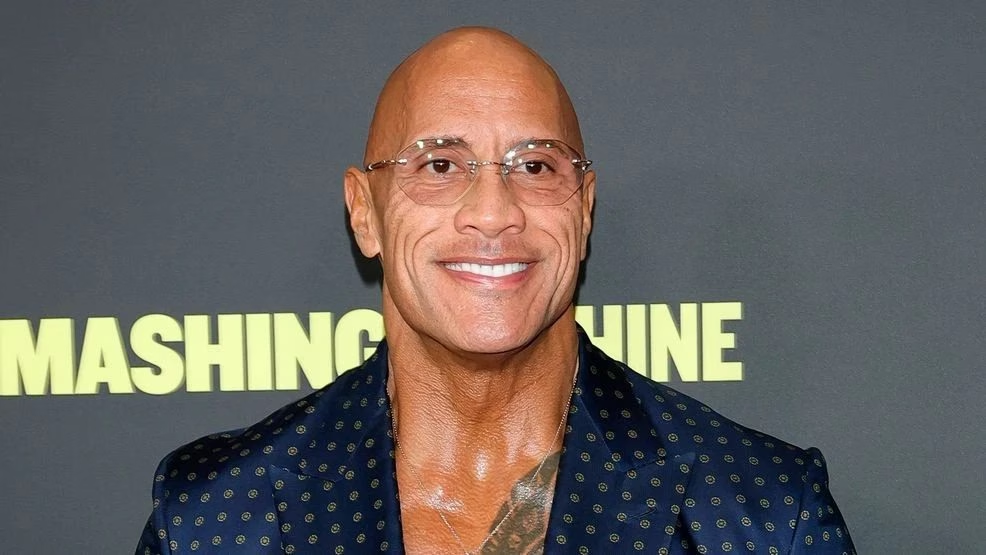
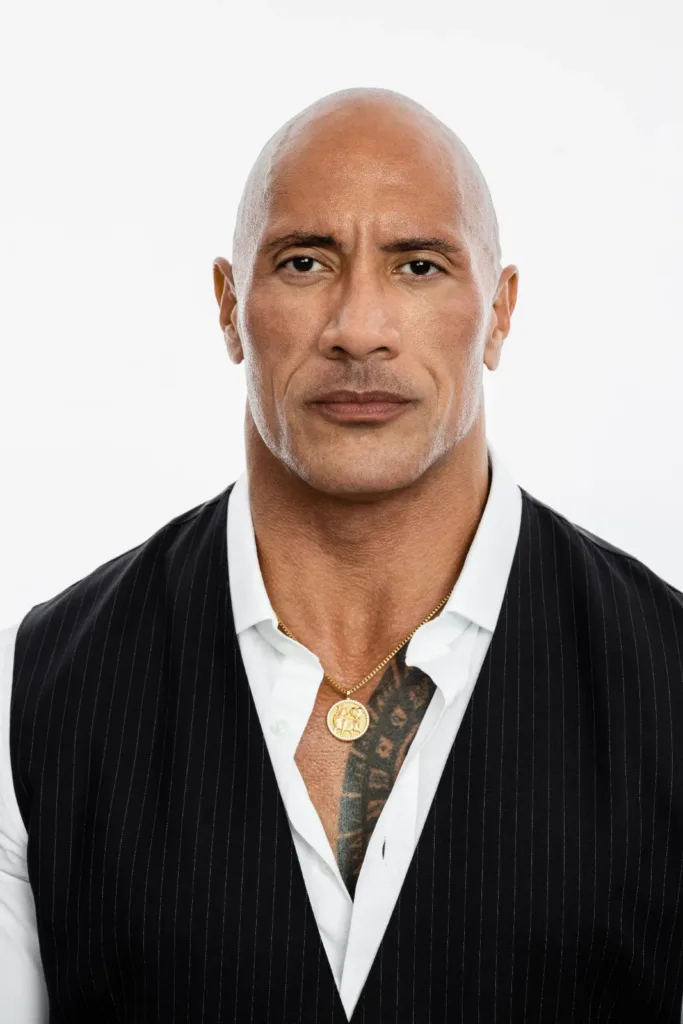
At 54, he has finally pushed the other way. Johnson says he has gone from roughly 127.9 kg (282 lb) while filming The Smashing Machine to 106.6 kg (235 lb) now, around 21 kg lighter, and by his own account, feeling better than he has in decades.
Why the man who always got bigger went the other way
Johnson built his career on scale. Wrestling required it. Action films required it. For thirty years, “bigger” and “better” were the same word in his vocabulary.
That’s what makes this transformation worth paying attention to.
According to Johnson, the new number is his lightest since his freshman football season at the University of Miami. “I’ve never felt better,” he says. Strength, endurance, cardiovascular fitness, joint comfort and general wellbeing have all improved, in his telling. That’s Johnson’s own assessment, not an independently verified one. He hasn’t published blood work, body-composition scans or any clinical measurement, and there’s no way to know how much of the 21 kg was fat, muscle, water or glycogen.
Why he stayed so heavy for so long
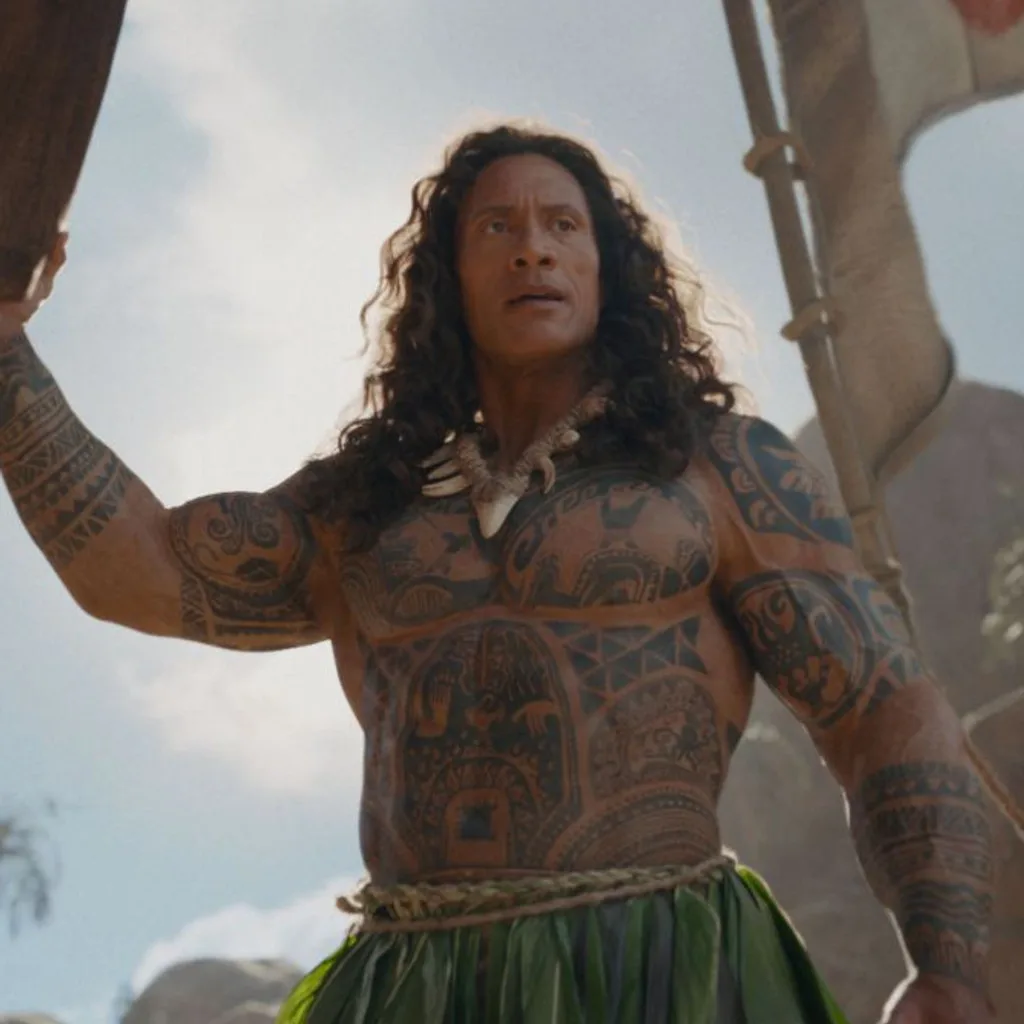
Johnson did genuinely bulk up to play Mark Kerr, reaching 282 lb for The Smashing Machine. But the reason he remained so large afterwards was more complicated than simply needing the same physique for Moana.
He had only about four weeks to prepare for the live-action film, and Maui’s size was created largely with a huge prosthetic bodysuit, rather than entirely through Johnson’s own body. The suit added roughly 18 kg and took hours to apply. Johnson still had to retain enough real size around his face and neck, though, because a massive body suit paired with a suddenly skinny neck would have looked ridiculous.
The costume was hot, heavy and physically punishing. Once Moana was finished, Johnson could finally reduce his size for his next project, Benny Safdie’s Lizard Music, in which he plays Chicken Man, an eccentric man in his seventies.
What he actually changed
The headline detail isn’t the diet. It’s the clock. Johnson took close to a full year to lose the 21 kg, an average of roughly 0.4 kg a week. That’s a controlled, unremarkable rate of loss dressed up by a dramatic final comparison photo.
His account of the changes is straightforward rather than extreme. He shifted most of his carbohydrates to sit around his training sessions and pulled them back later in the day. He cut refined sugar. He kept dietary fat to roughly 50–60 g a day. Beyond that, he describes a year of trial and error rather than a fixed plan handed down in advance.
“Nothing extreme,” he says of the approach. Worth taking at face value on the broad strokes, and worth being precise about what it doesn’t mean: cutting refined sugar isn’t the same as cutting fruit, dairy or carbohydrates altogether, and a 50–60 g fat target is Johnson’s personal number, not a prescription for anyone else. His full training program, calorie intake and protein intake were never disclosed, and reports differ on whether he managed all of it solo or leaned on coaches, so any claim that he did this entirely alone deserves a grain of salt.
The lesson for men over 50
Strip away the Hollywood framing and there’s a genuinely useful idea underneath: a dramatic transformation can be the product of an undramatic weekly change, sustained for a long time. Half a kilo a week, repeated for a year, adds up to a result that looks sudden in a before-and-after photo but wasn’t sudden to live through.
There’s a second idea worth sitting with, too. The physique that serves a man well at 30 isn’t necessarily the one that serves him best at 50-plus. Carrying maximum size has a cost, on joints, on energy, on recovery, even for someone whose job has always rewarded bulk. That cost doesn’t disappear just because the size looks good on screen.
MFO has covered other men making a similar late-career recalibration. Phil Earley didn’t start bodybuilding until 57 and has been winning championships since. Grandpa Bodybuilder made an even bigger swing, losing 80 kg and rebuilding his life in the process. Johnson’s version of the same idea just comes with a much bigger media footprint.
None of this means smaller is automatically healthier for every man reading this, and none of it is evidence of anything about testosterone, steroids or weight-loss drugs. Johnson hasn’t said anything to suggest either, and there’s no reason to speculate. What it does suggest is that “bigger” stops being an unconditional goal at some point, and deciding when that point has arrived is worth doing deliberately rather than by accident.
Johnson says he plans to sit around 106–109 kg for now. Whether that holds is beside the point. The interesting decision already happened: after thirty years of getting bigger, he worked out that he didn’t need to be.