Robots can now outsprint Usain Bolt. So someone sent one to Antarctica to run an ultramarathon. Sure, that makes sense. It lasted about 3 km. The humans kept going, and one of them ran 100 miles on the ice in 17 hours.
- The robot: Qestr, a humanoid robot, the first to enter the Antarctic Ice Ultra
- When: 8 November 2026, near Ultima Camp, Antarctica
- Temperature: about -24°C
- How far it got: about 3 km, then its battery died, despite a thermal jacket
- The humans: about 25 runners; Yusheng Ni won the 100 miles in 17:02:24, a new Antarctic record
The first robot to run in Antarctica
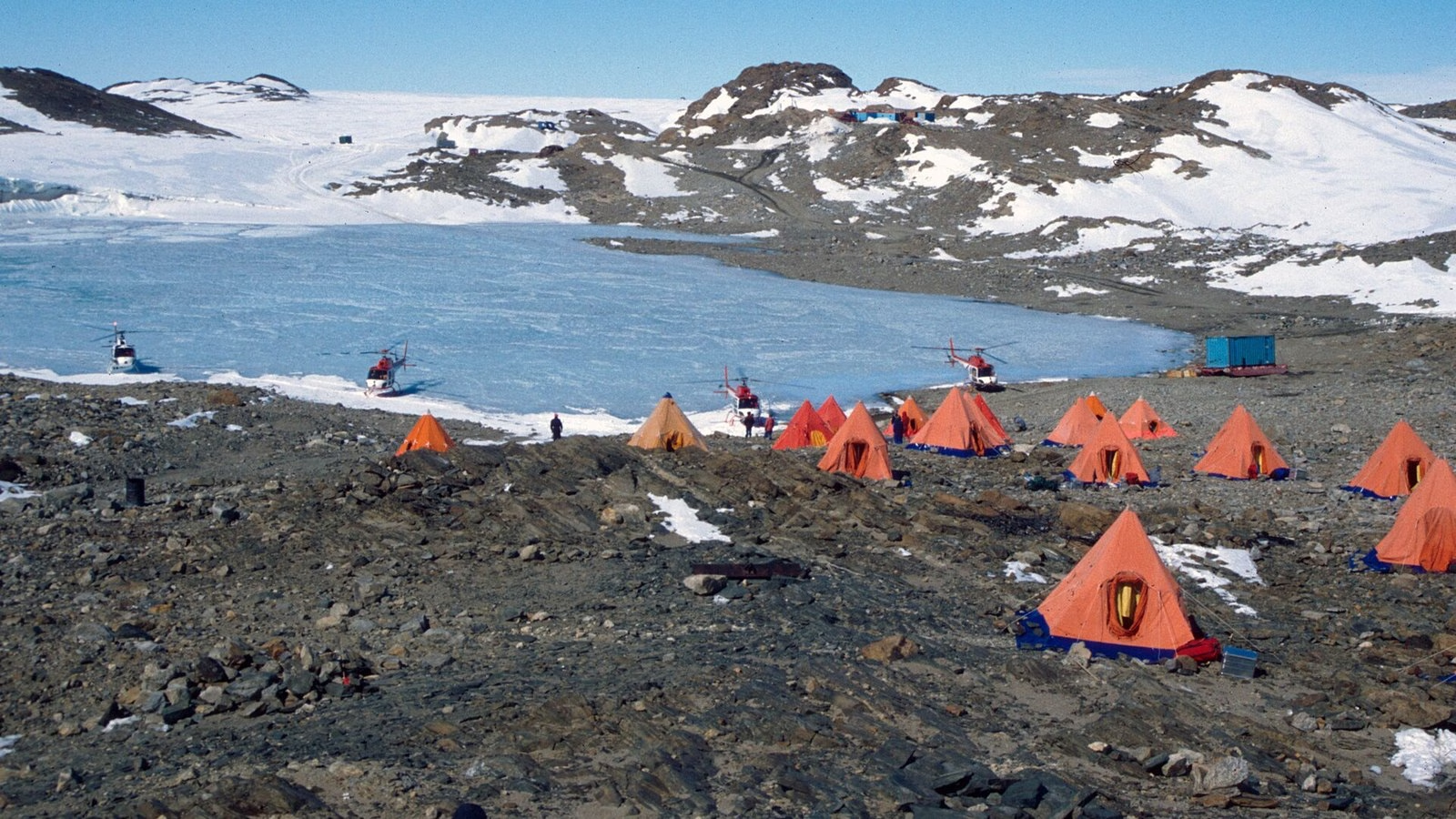
Qestr lined up with about 25 human runners at the Antarctic Ice Ultra, a race run on a 4.2 km loop near Ultima Camp (El Imparcial). Race organiser Oliver Wang said it was the first humanoid robot ever to enter (Fat Marathoner). The race’s own account introduced it with a line written in the robot’s voice: its name comes from the platform Qestr.com and its motto, “Pursue the Extraordinary” (Antarctic Ice Ultra, Instagram).
A post shared by Antarctic Ice Ultra (@antarcticiceultra)
French trail site u-Trail reports that Qestr is Chinese-built, 80 cm tall and has 32 joints (u-Trail). Its makers haven’t been named.
A post shared by Ultima Antarctic (@ultimaantarctic)
Why the robot marathon ended at 3 km
The legs were fine. The battery wasn’t. At about -24°C, Qestr’s lithium-ion battery gave out after about 3 km, even though it wore a thermal jacket to keep its electronics warm (Fat Marathoner; u-Trail). Cold slows the chemistry inside a battery, so it can’t deliver the power it can at room temperature. That’s under 2% of the 160 km course.
It’s quite a comedown. In April 2026 a robot ran a half marathon in Beijing in 50 minutes 26 seconds (El Imparcial), and this year robots went quicker than Bolt over 100 m (robots beat Usain Bolt). Warm, flat and short is one thing. Antarctica is another.
Meanwhile, the humans ran 100 miles
China’s Yusheng Ni won the 100-mile race in 17 hours 2 minutes 24 seconds, a new Antarctic continental record (El Imparcial). He took more than five hours off his own record from 2025, 22:40:47 (AIMS). Canada’s Stephanie Case was second and became the first woman to run 100 miles in Antarctica.
A post shared by Antarctic Ice Ultra (@antarcticiceultra)
| Antarctic Ice Ultra 2026 | Result |
|---|---|
| 1. Yusheng Ni (China), 100 miles | 17:02:24 (record) |
| 2. Stephanie Case (Canada), 100 miles | 17:31:39 |
| Qestr (robot) | DNF at about 3 km |
Our read: the human body is the better machine
Our read: the robot didn’t fail for lack of legs. It failed for lack of fuel it could use in the cold. A human runner carries tens of thousands of calories in body fat and keeps the engine warm by burning it. That’s why people can run for 17 hours on the ice and this robot couldn’t manage 3 km. For more on where the limits really are, see how far the human body can go, or the Barkley Marathons, where most humans don’t finish either.
Robot marathon FAQ
Did a robot run a marathon in Antarctica?
It tried. Qestr, a humanoid robot, started the Antarctic Ice Ultra on 8 November 2026 and stopped after about 3 km when its battery failed in the cold.
Why did the robot stop?
Its lithium-ion battery couldn’t cope with about -24°C, even with a thermal jacket. Its legs were still working.
Who won the Antarctic Ice Ultra 2026?
Yusheng Ni of China won the 100 miles in 17:02:24, a new Antarctic record. Stephanie Case of Canada was second and the first woman to run 100 miles in Antarctica.
How fast can a robot run a half marathon?
A robot ran a Beijing half marathon in 50 minutes 26 seconds in April 2026, in much kinder conditions.
Sources: El Imparcial, 10 November; u-Trail, 11 November; Fat Marathoner, 10 November; Antarctic Ice Ultra and Ultima Antarctic (Instagram); AIMS; Antarctic Ice Ultra. Image: Wilfried Bauer, Wikimedia Commons, CC BY-SA 3.0. Checked 12 November 2026.