


Energy, erections and recovery all run on the same thing: blood flow. Which makes it something every bloke over 50 should be managing on purpose rather than hoping for the best. As we age, the body’s ability to produce nitric oxide declines, and nitric oxide is what tells blood vessels to relax, widen and get oxygen where it’s needed.
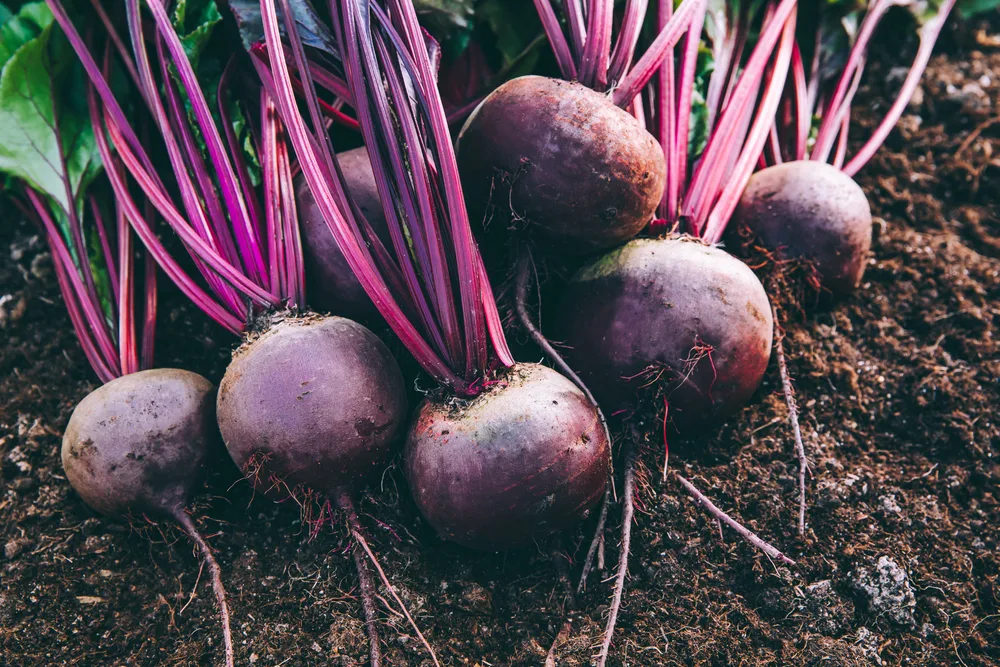
Enter beetroot. That unlikely red disc that slips unannounced from the corner of a hamburger and lands on the tablecloth is one of the richest dietary sources of nitrate, which the body converts into nitric oxide. More nitric oxide means better vasodilation, the technical term for wider, more relaxed blood vessels and better circulation.
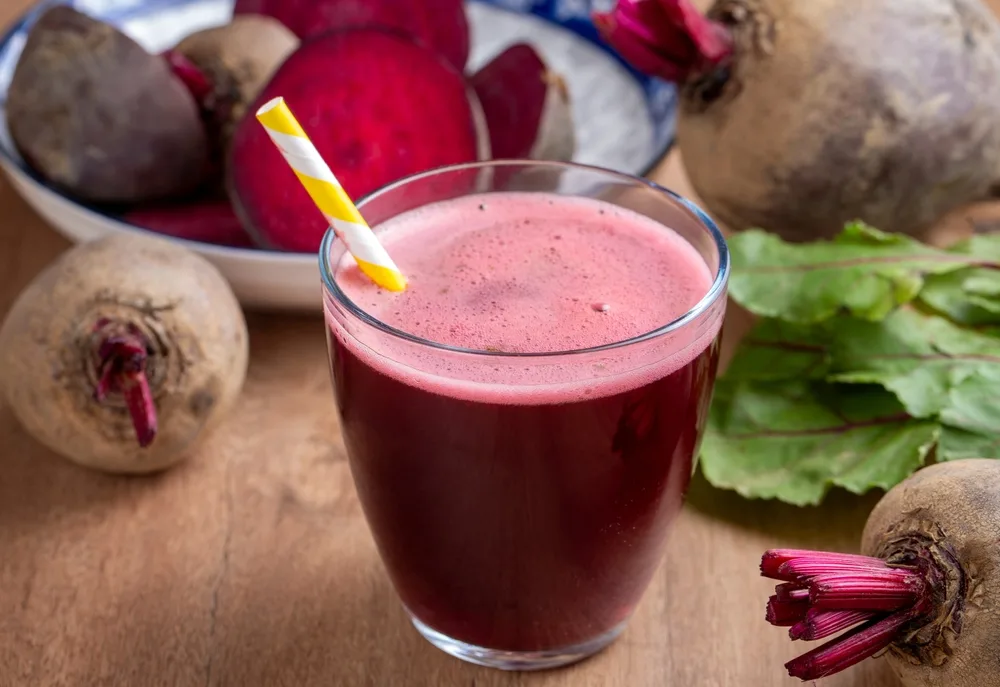
The catch is dose. Studies use around 400mg of nitrate, which is a 70ml concentrated shot or half a litre of juice. Your burger slice is delivering roughly none of that, and pickling strips out most of what’s left. Get the real dose in and the payoff is measurable: better exercise efficiency, more endurance, lower blood pressure, and stronger, um, vascular function.
Pair it with pomegranate, that stupidly complicated fruit with more seeds than most of us have patience for. Pomegranate contains polyphenols, plant compounds that may help the body manage oxidative stress and inflammation following hard training. Taken in useful amounts, beetroot and pomegranate make a compelling nutritional double act: one supports blood flow and oxygen delivery, while the other may help your body recover from the damage you willingly inflict on it.
How beetroot became a performance supplement
For most of its modern life, beetroot occupied an undignified position in Australian food culture: wedged beside the pineapple on a hamburger, staining everything it touched and rarely receiving a look-in, except in that Christmas salad made by your childless aunt who does yoga. Then sports scientists got involved.
The modern beetroot boom can be traced to research in the late 2000s showing that dietary nitrate could reduce the oxygen cost of exercise. In simple terms, athletes appeared able to perform the same workload while using slightly less oxygen. That was enough to turn a humble root vegetable into a serious subject for runners, cyclists and endurance coaches.
Beetroot juice quickly spread through elite sport because even a small improvement matters when races are decided by seconds. It is now included among the Australian Institute of Sport’s Group A supplements, reserved for products with strong scientific evidence for use in specific sporting situations.
The attraction is obvious. Beetroot is legal, widely available and does not stimulate the nervous system like caffeine. It may help reduce the oxygen cost of exercise and produce a small improvement in endurance performance, particularly among recreationally trained athletes. A meta-analysis found a small but significant benefit for endurance performance, although responses vary considerably between individuals.

That last point is where the hype usually gets ahead of the science.
Elite athletes may gain less because their oxygen-delivery systems are already highly developed. Some well-controlled trials have also found no performance advantage over placebo in competitive conditions. Beetroot is one of the better-supported supplements in sport, but “better-supported” is not the same as guaranteed.
There is also an almost comically fragile part of the process. The conversion of nitrate into nitric oxide depends partly on bacteria living in the mouth. Use a strong antibacterial mouthwash around the same time and you may blunt the very pathway you are trying to exploit. Sports nutrition has somehow reached the point where your oral bacteria can affect your training plan.
Pomegranate has a much older reputation
Pomegranate’s health halo did not begin in a supplement laboratory. It is one of the world’s oldest cultivated fruits and has been used as both food and traditional medicine for thousands of years across the Middle East and Mediterranean. It has also carried symbolic associations with fertility, life, death and rebirth, which is a fairly impressive résumé for a fruit most people cannot open without redecorating the kitchen.
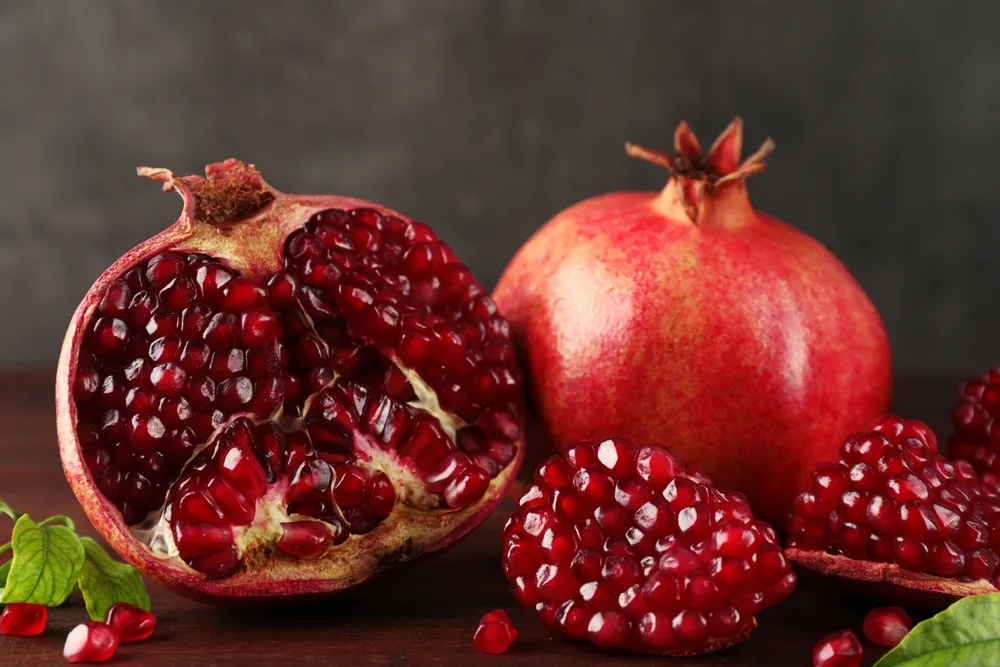
Modern interest centres on its polyphenols, particularly punicalagins and related compounds. These are being studied for possible effects on blood pressure, inflammation, oxidative stress and exercise recovery. The evidence is promising in places, but nowhere near as tidy as the marketing often suggests. Studies use different juices, extracts and doses, making it difficult to compare one product with another.
That is the main controversy with both ingredients. The underlying plants may have legitimate effects, but a picture of a beetroot or pomegranate on the packet does not tell you whether the finished product contains a useful dose.
Beetroot needs enough nitrate to matter. Pomegranate research generally uses concentrated, polyphenol-rich preparations. Without that information, the ingredient may be contributing more to the label than to your physiology.