
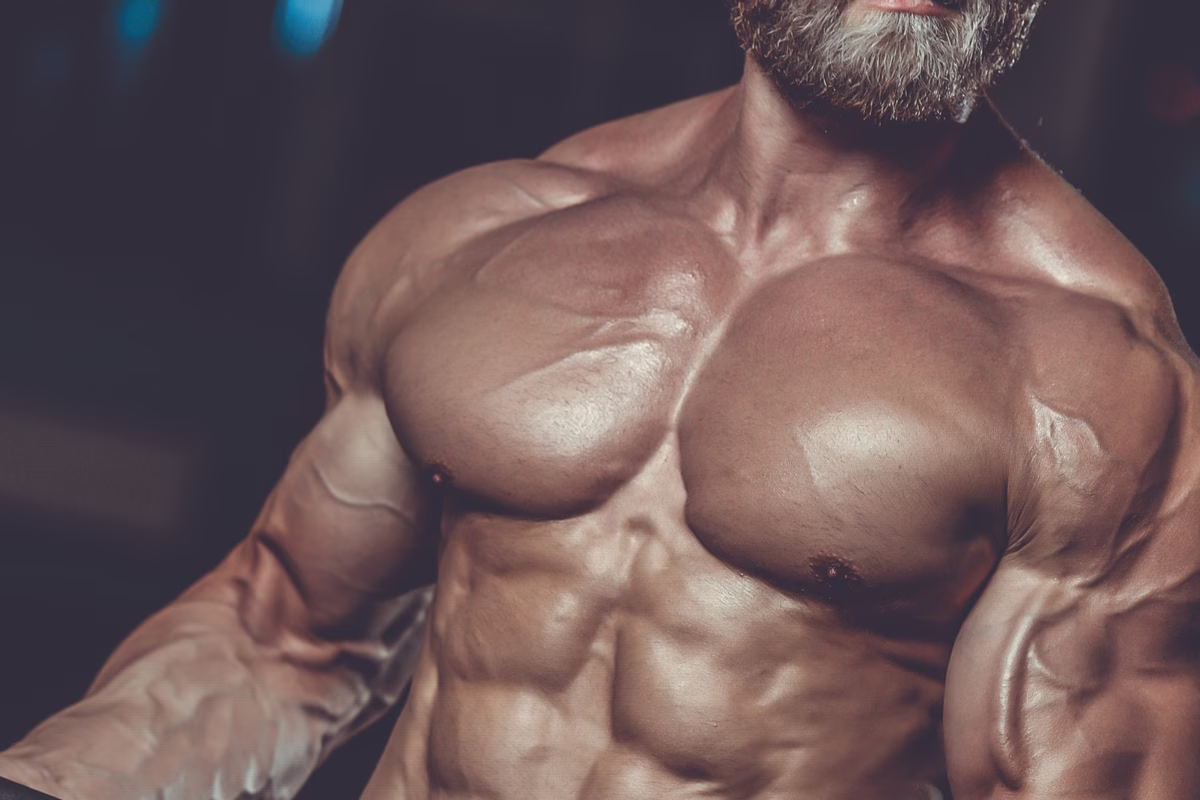
A well-defined chest isn’t just about aesthetics; it’s the cornerstone of upper body strength, enhancing performance in various lifts and daily activities. Incorporating effective chest exercises into your routine can lead to significant gains in muscle mass and functional strength.
1. Barbell Bench Press
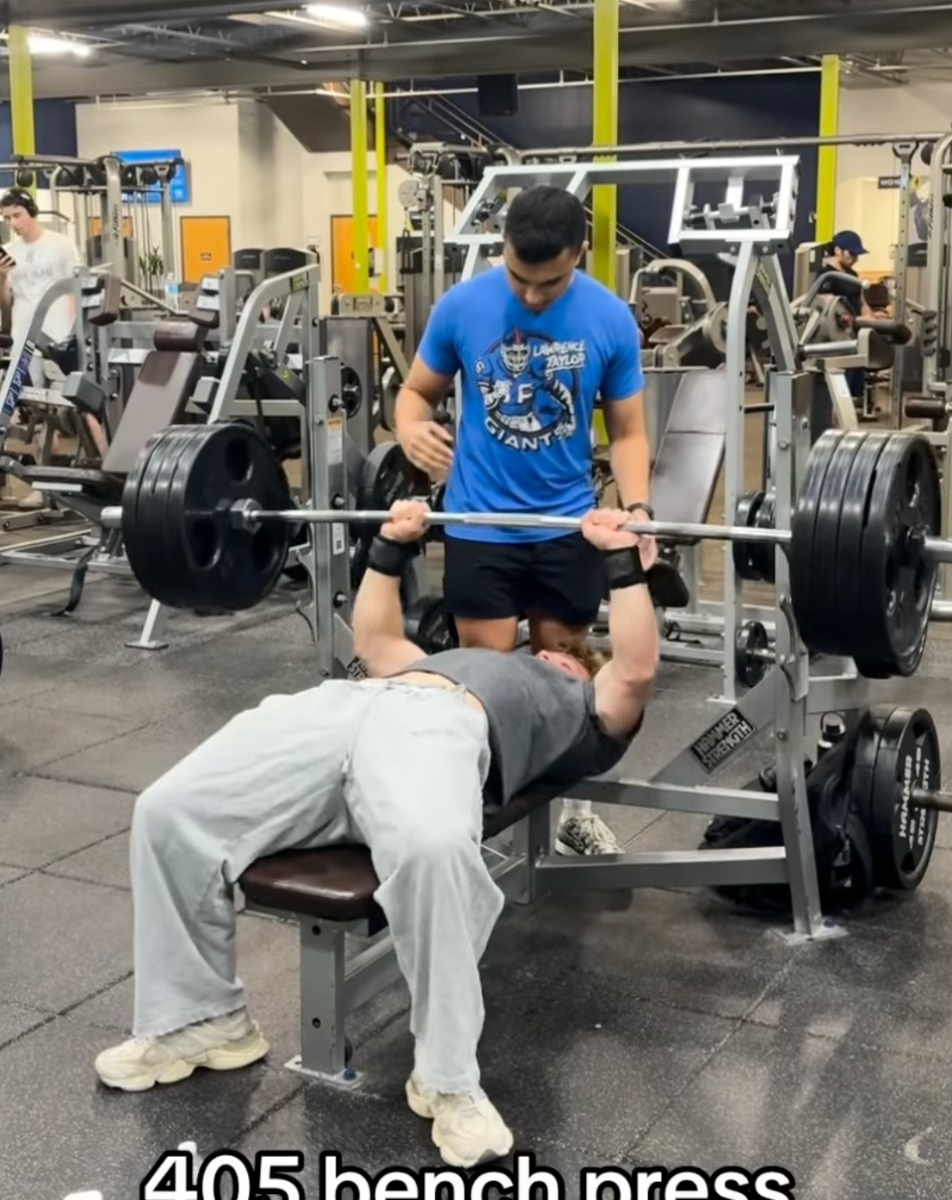
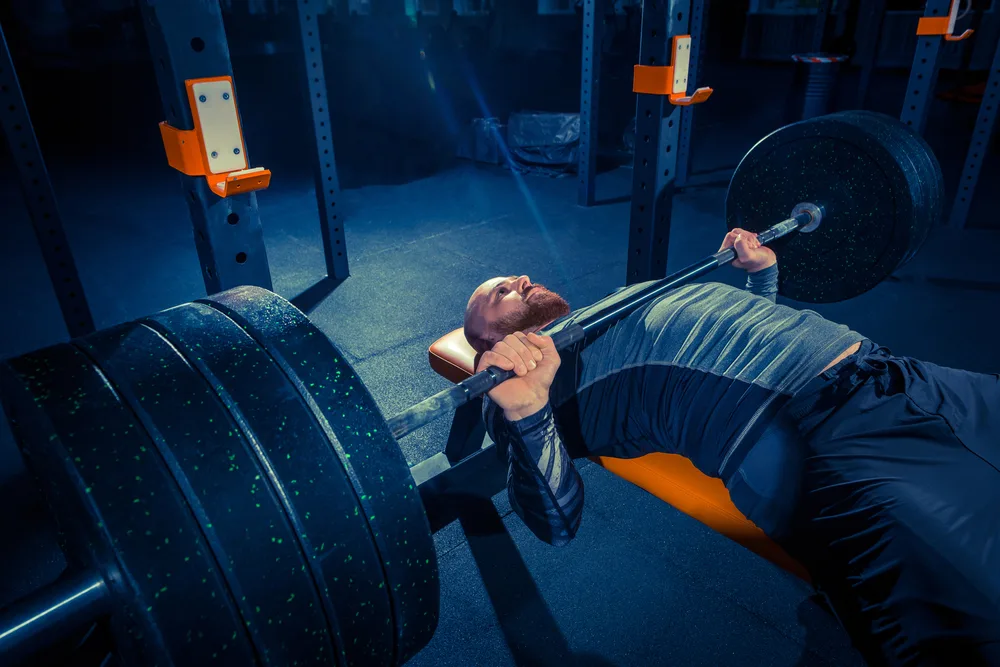
The barbell bench press is a foundational move for building chest mass. It targets the pectoralis major, triceps, and shoulders, allowing you to lift heavy and stimulate muscle growth. To perform it, lie flat on the bench, grip the bar slightly wider than shoulder-width, lower it under control to mid-chest, then press back up to full extension — aim for 3–4 sets of 6–8 reps.
2. Dumbbell Bench Press
Utilising dumbbells allows for a greater range of motion compared to the barbell version, engaging stabilising muscles and promoting balanced muscle development. Press the dumbbells up and slightly inward from chest level until your arms are extended, then lower them back down under control — 3 sets of 8–10 reps is a solid target.
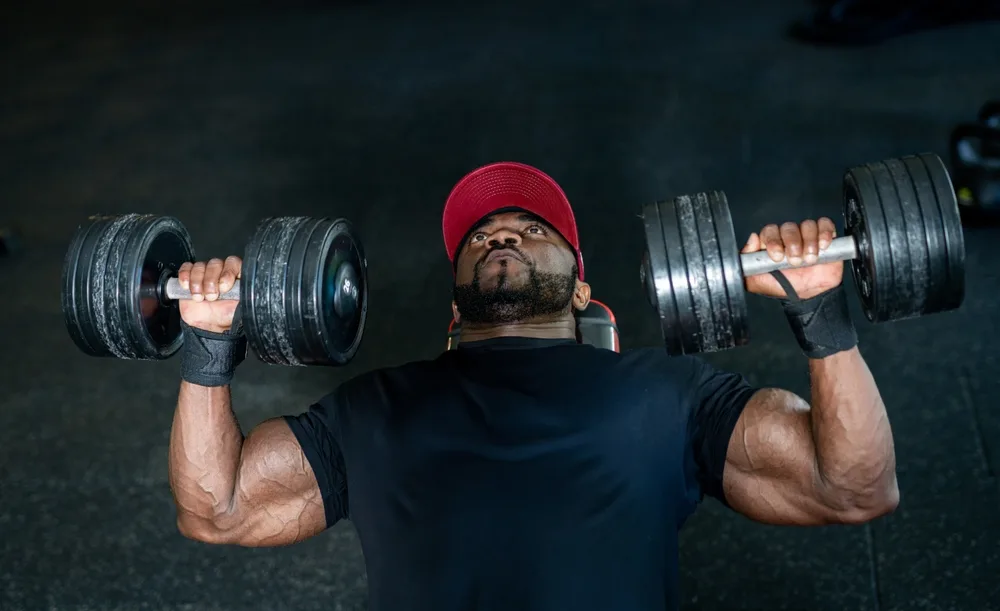
3. Incline Dumbbell Press
Setting the bench to a 30-degree incline emphasizes the upper portion of the pectoralis major, contributing to a fuller chest appearance. Press the dumbbells up and together above your upper chest, then lower back to shoulder height with control, for 3 sets of 8–12 reps.
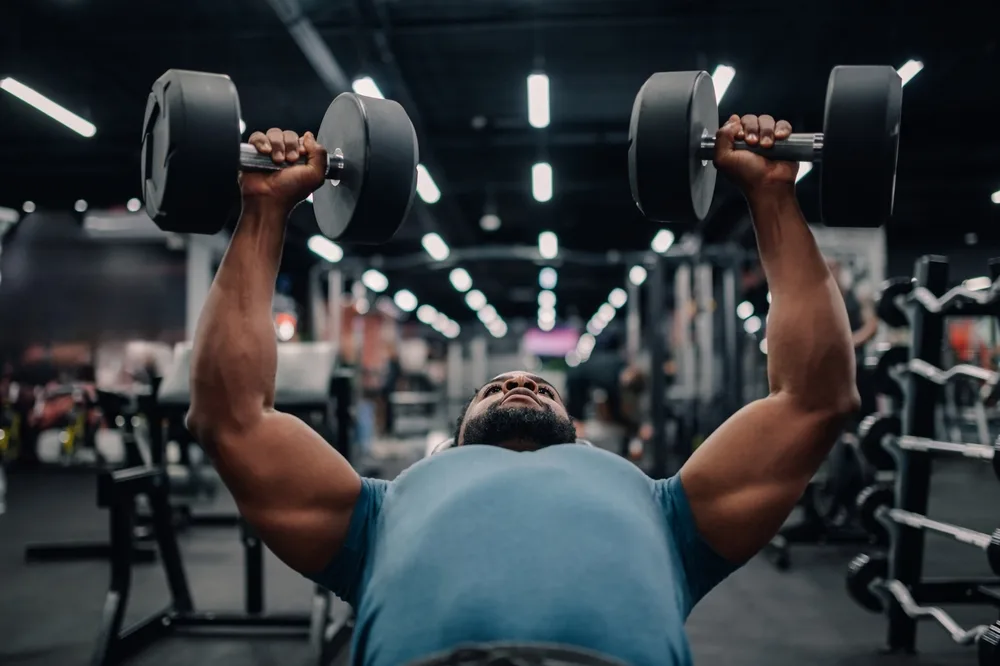
4. Dumbbell Fly
This isolation exercise stretches the chest muscles, enhancing flexibility and muscle fiber recruitment. Performing flyes on a flat bench targets the central chest, while incline variations shift focus to the upper chest. With a slight bend in the elbows, lower your arms out wide until you feel a stretch across the chest, then bring them back together above your chest — 3 sets of 12–15 reps.
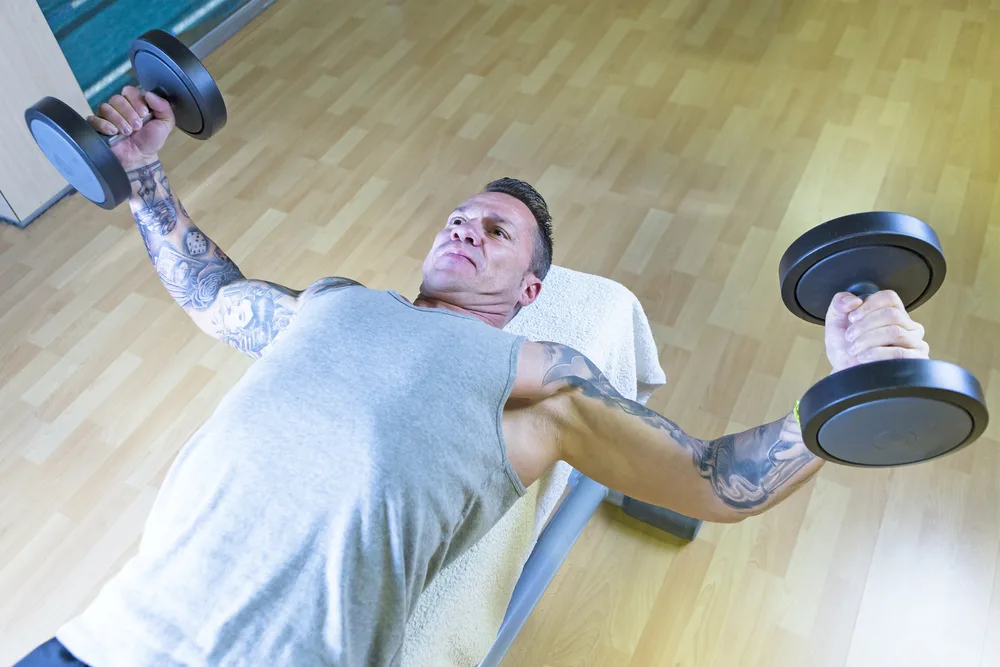
5. Push-Up
A classic bodyweight exercise, push-ups effectively engage the chest, shoulders, and triceps. Variations like decline push-ups can increase intensity and target different areas of the chest. Hands slightly wider than shoulder-width, keep your body in a straight line from head to heels, lower your chest to just above the floor, then push back up — aim for 3–4 sets to near failure.
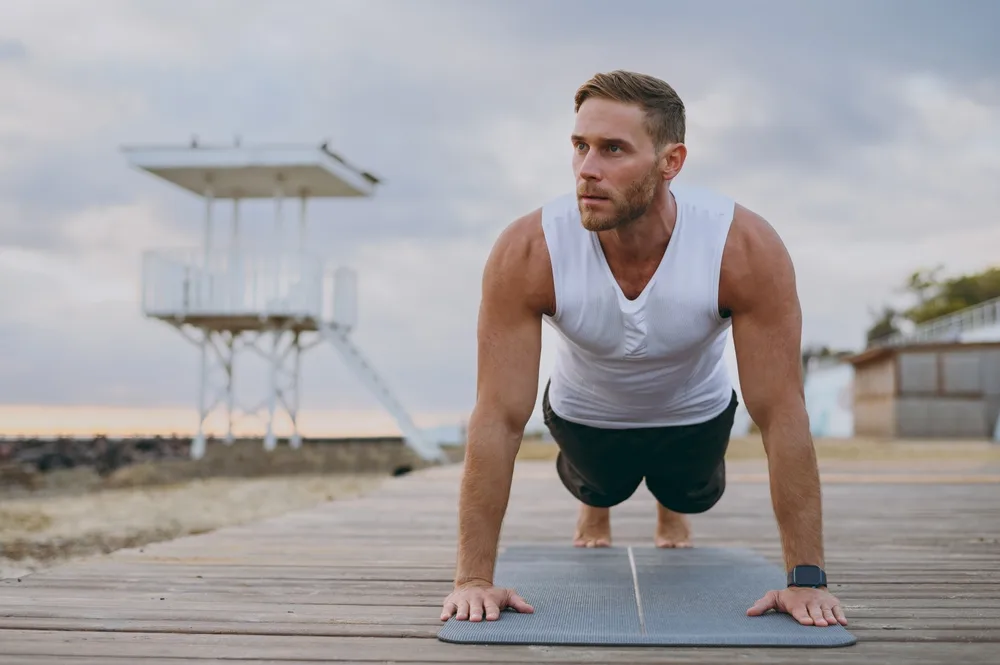
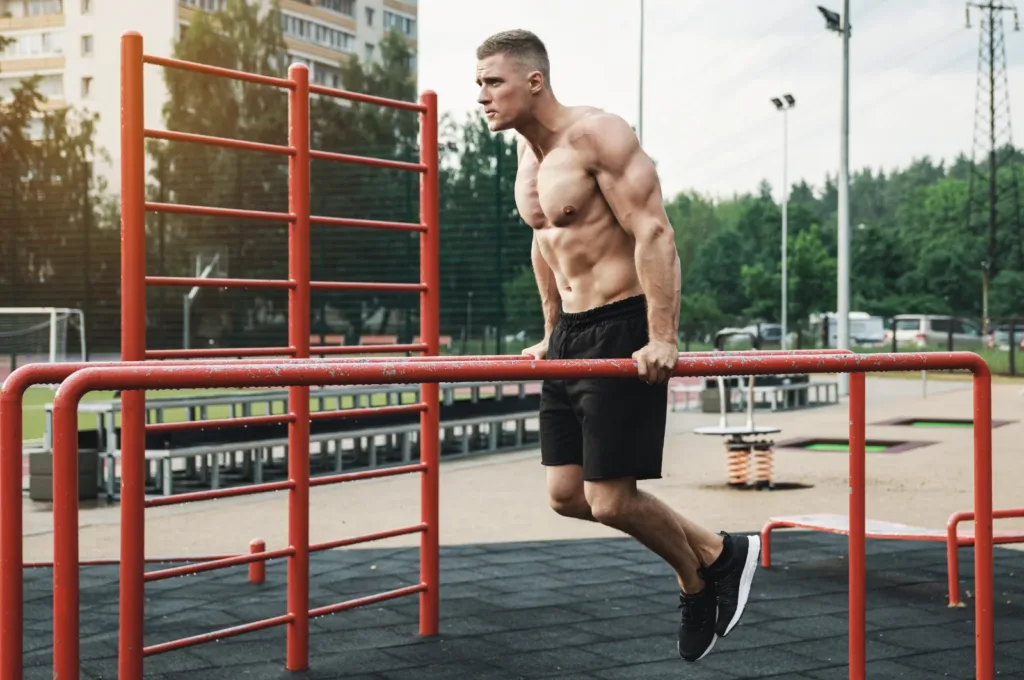
6. Chest Dip
Using parallel bars, dips emphasize the lower portion of the chest. Leaning forward during the movement increases chest activation. Lower yourself until your shoulders drop just below your elbows, then press back up to the top — 3 sets of 8–12 reps.
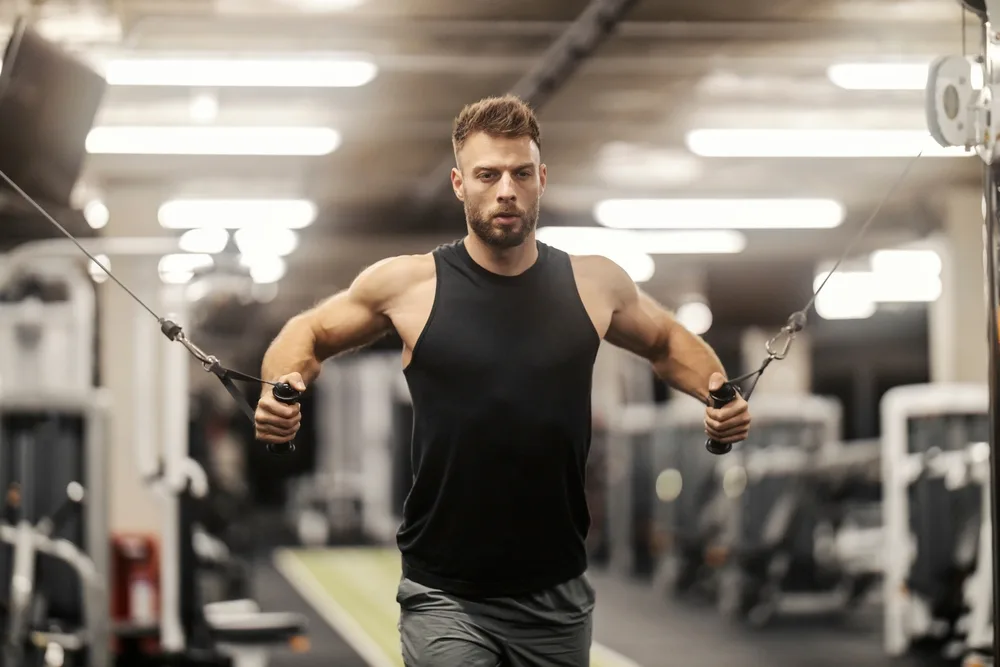
7. Cable Crossover
This exercise provides constant tension throughout the movement, effectively isolating the chest muscles and promoting definition. Set both pulleys high, lean slightly forward, and pull the handles down and together in front of your hips in a controlled arc — 3 sets of 12–15 reps.
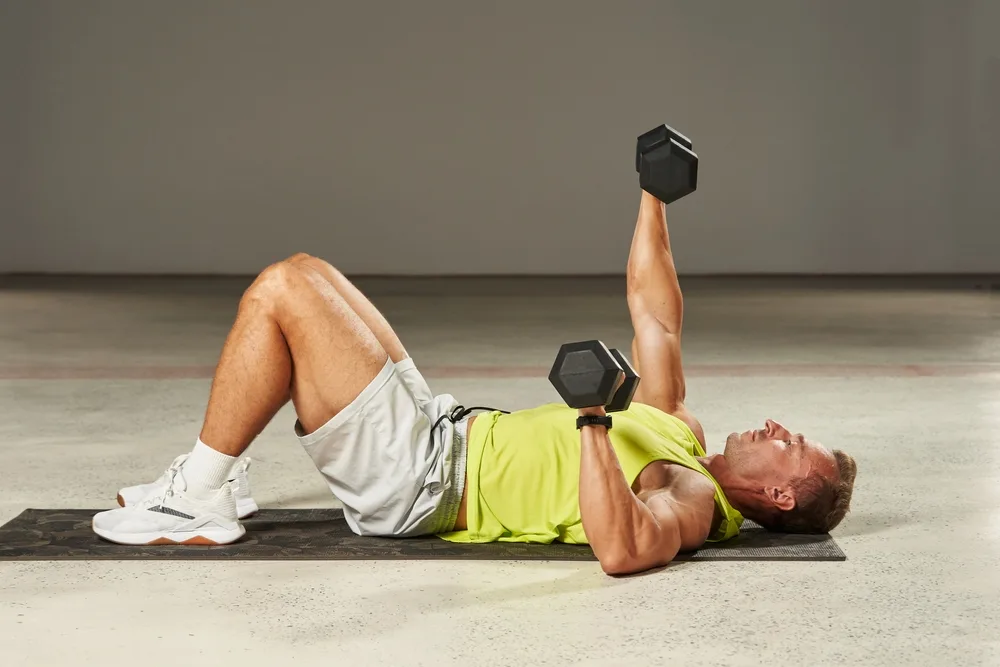
8. Dumbbell Floor Press
By limiting the range of motion, the floor press reduces shoulder strain while still targeting the chest and triceps, making it a safer alternative for those with shoulder concerns. Garage Gym Reviews Lie on the floor holding dumbbells above your chest, lower your upper arms until your elbows touch the ground, then press back up — 3 sets of 8–12 reps.
9. Band Chest Fly
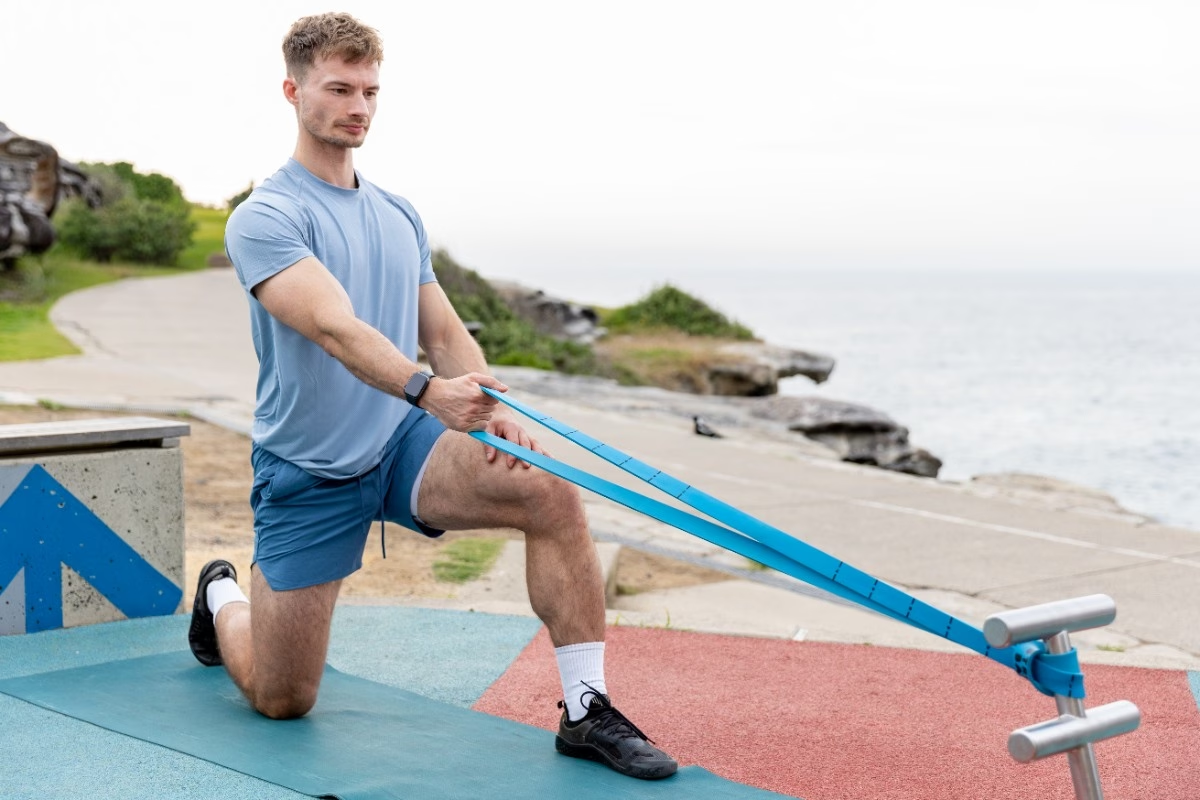
Utilising resistance bands for chest flys offers a different resistance curve, emphasising muscle engagement at peak contraction and serving as an excellent finisher to your chest workout. Bring your hands together in front of your chest in a hugging motion, squeezing at the peak — 2–3 sets of 15–20 reps as a finisher.

Incorporating these exercises into your training regimen can lead to substantial improvements in chest size and strength. As exercise scientist Dr. Brad Schoenfeld notes, “A combination of both single-joint and multi-joint exercises will result in a maximum hypertrophic response.” Wikipedia
Remember to progressively overload your muscles by gradually increasing the weight, reps, or sets to continue making gains. Always prioritise proper form to minimize injury risk and maximize effectiveness. Pairing chest day with a solid core routine will also improve your pressing stability and overall performance.
For a visual demonstration and additional expert insights on top chest exercises, check out the following video:
Any Questions?
FAQ: Chest Training Essentials
1. How often should I train my chest?
Twice a week is optimal for most men. This frequency allows for sufficient volume and recovery, promoting hypertrophy without risking overtraining. A typical weekly split might include one heavy day (barbell/dumbbell presses) and one hypertrophy or bodyweight-focused session (flyes, push-ups, cable work).
2. What’s the best exercise to build chest mass?
The barbell bench press remains the king for mass-building due to its ability to load heavy and activate multiple upper-body muscles. Pair it with incline dumbbell presses and cable crossovers for a complete pec development strategy.
3. Can I build a big chest without weights?
Yes — but you’ll need to increase intensity with variations. Focus on push-up progressions like decline, archer, and explosive push-ups. Add resistance bands or wear a weighted vest for overload.
4. Why isn’t my chest growing?
Likely culprits:
- Not enough volume or frequency
- Poor exercise selection or form
- Lack of progressive overload
- Neglecting upper or lower chest angles
Track your progress, vary your training angles (flat, incline, decline), and ensure you’re hitting failure or near-failure with good form.
5. Do I need to train upper and lower chest separately?
Yes — to achieve full chest development. Use incline presses for the upper chest and dips or decline presses for the lower pecs. A balanced routine prevents your chest from looking top- or bottom-heavy.
6. How many sets and reps should I do for chest growth?
Aim for 12–20 sets per week spread across 2 sessions. Use a mix of:
- 4–6 reps for strength (heavy bench press)
- 8–12 reps for hypertrophy (dumbbells, flyes)
- 15–20+ reps for endurance and pump (cables, push-ups)
7. Is bench pressing bad for my shoulders?
Not if you use correct form:
- Keep elbows at a 45-degree angle
- Use a full range of motion, unless limited by mobility or injury
- Avoid flaring elbows out wide (90 degrees)
Also consider substituting with dumbbell presses or floor presses if shoulder pain persists.
8. Should I do chest day alone or with other muscles?
Popular splits include:
- Chest + Triceps (classic push-day pairing)
- Chest + Back (push-pull balance)
- Chest + Shoulders (if using moderate volume)
Choose based on your recovery capacity and training goals.
9. How long does it take to see chest gains?
With consistent training and proper nutrition, expect visible improvements in 6–8 weeks. If you’re new to resistance training, you might see faster initial progress due to “newbie gains.”