

Body fat often gets a bad rap, but the truth is, we need it to survive. That’s right—those wobbly bits play an essential role in our body’s ecosystem. But, like that one guy in your group chat who always goes overboard, too much of a good thing can be, well, not so good. Here’s how to measure body fat and decide for yourself.
What Body Fat Does for You
Body fat is a multitasker. It stores energy, protects vital organs, insulates the body, and helps regulate hormones. Without it, you’d feel the cold more, your energy would crash, and your body wouldn’t function as smoothly as it should. Plus, your brain and nervous system rely on fat to keep the gears turning.
Why Do We Have Too Much?
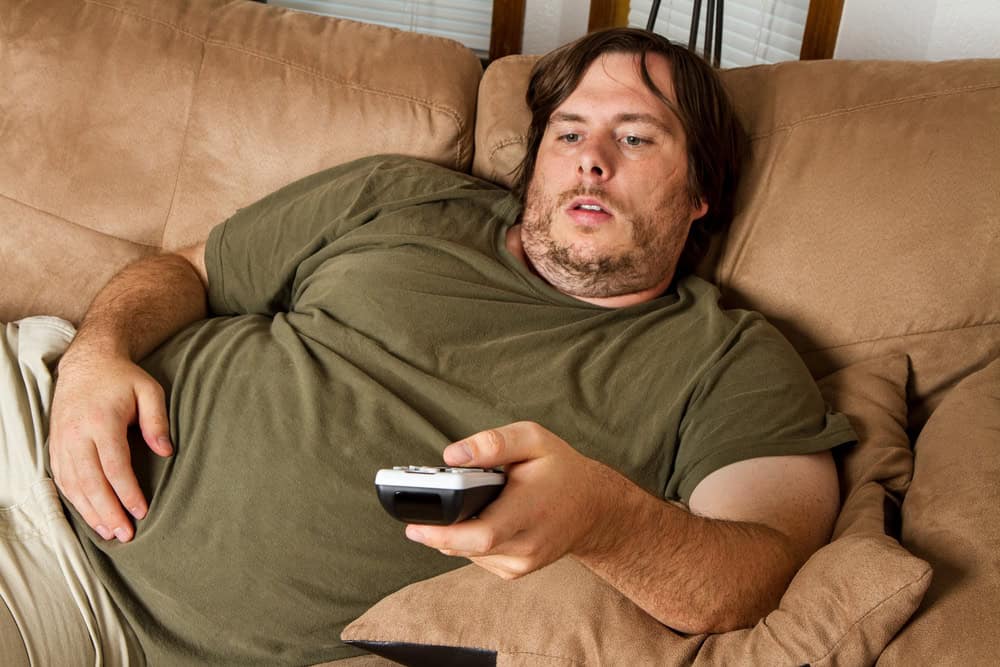
Let’s blame it on modern life. Overeating, stress, poor sleep, and being glued to a chair all day are perfect ingredients for packing on the pounds. When you take in more calories than your body needs, the leftovers are stored as fat. The problem? Too much fat, especially visceral fat (the kind that wraps around your organs), increases the risk of serious health issues like heart disease and type 2 diabetes.
What’s a Healthy Level of Body Fat?
Body fat levels vary based on factors like age and fitness goals, but for men, a healthy range is typically 10-20%. Anything below that is shredded territory; anything over might mean it’s time to reassess your habits. If you want a rougher but instant gut-check first, our BMI calculator built for lifters is a reasonable starting point before you break out a tape measure.
How to Measure Body Fat
Measuring your body fat isn’t as simple as stepping on a scale. Here are a few methods to try:
- Skinfold Calipers – Old-school but effective. Pinch and measure skinfold thickness at various spots on your body.
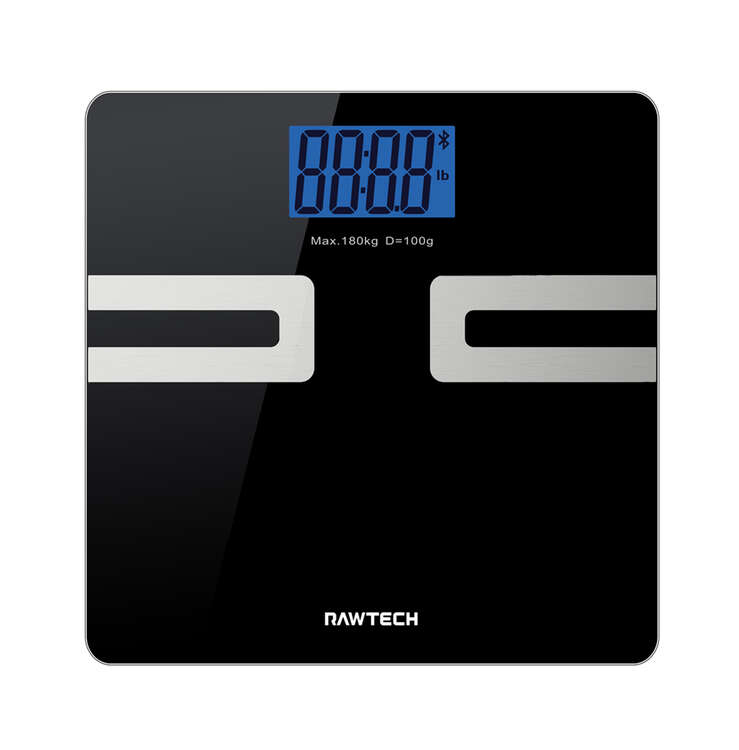
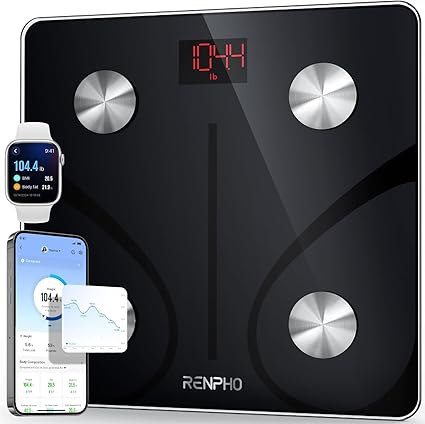
- Bioelectrical Impedance Scales – These scales zap a tiny current through your body (don’t worry, you won’t feel it) to estimate fat percentage.
- DEXA Scans – High-tech and accurate, but pricey. Usually done in clinics.
- Tape Measurements – Measure waist, neck, and hip circumference and plug them into an online calculator.
The Navy Method: A Free, No-Equipment Option
If you don’t want to buy calipers or a smart scale, the U.S. Navy body fat formula only needs a tape measure and gets you a reasonably close estimate:
- Measure your neck circumference, just below the larynx.
- Measure your waist circumference at navel height, relaxed (not sucked in).
- Measure your height without shoes.
- Plug the three numbers into a Navy method calculator, or work through the formula by hand if you want to check the maths yourself.
It’s not lab-accurate, but it’s free, repeatable, and good enough to track whether you’re actually moving in the right direction month to month.
Skinfold Calipers: Where to Actually Pinch
For men, the standard three-site method (Jackson-Pollock) measures skinfold thickness at:
- Chest — a diagonal fold halfway between the nipple and the armpit crease.
- Abdomen — a vertical fold about 2cm to the side of the belly button.
- Thigh — a vertical fold on the front of the thigh, midway between hip and knee.
Take each measurement two or three times and average it — a single pinch is easy to get wrong, especially on yourself. Consistency in technique matters more than the calipers you buy; a $15 set used correctly beats a $60 set used badly.
The Future of Fat Control
Artificial intelligence is stepping in to make fat management smarter and more efficient. AI-based apps and wearables analyse your habits, provide real-time feedback, and even predict your metabolic rate to help you reach your goals faster. With tools like this in your arsenal, burning fat is no longer a guessing game.
FAQs
1. What Is a Healthy Body Fat Percentage for Men?
A healthy body fat percentage varies based on age and fitness levels. According to the American Council on Exercise (ACE)’s classification, the following categories apply to men:
- Essential Fat: 2–5%
- Athletes: 6–13%
- Fitness: 14–17%
- Acceptable: 18–24%
- Obesity: 25% and above
These ranges provide a general guideline; individual health considerations may vary.
2. How Can I Measure My Body Fat at Home?
Several methods allow you to estimate body fat percentage at home:
- Skinfold Calipers: Measure the thickness of subcutaneous fat at specific body sites. This method requires proper technique for accuracy. Healthline
- Body Circumference Measurements: Use a tape measure to record circumferences of various body parts (e.g., waist, neck) and input the values into an online body fat calculator. Verywell Fit
- Bioelectrical Impedance Scales: These scales send a harmless electrical current through the body to estimate body fat based on resistance encountered. Hydration levels can affect accuracy. Healthline
- Waist-to-Hip Ratio: Measure the circumference of your waist and hips, then divide the waist measurement by the hip measurement. This ratio can provide insights into fat distribution.
Each method has its limitations, and results can vary. For the most accurate assessment, consider consulting a healthcare professional.
3. What Are the Best Ways to Reduce Body Fat Naturally?
Reducing body fat involves a combination of dietary adjustments, physical activity, and lifestyle changes:
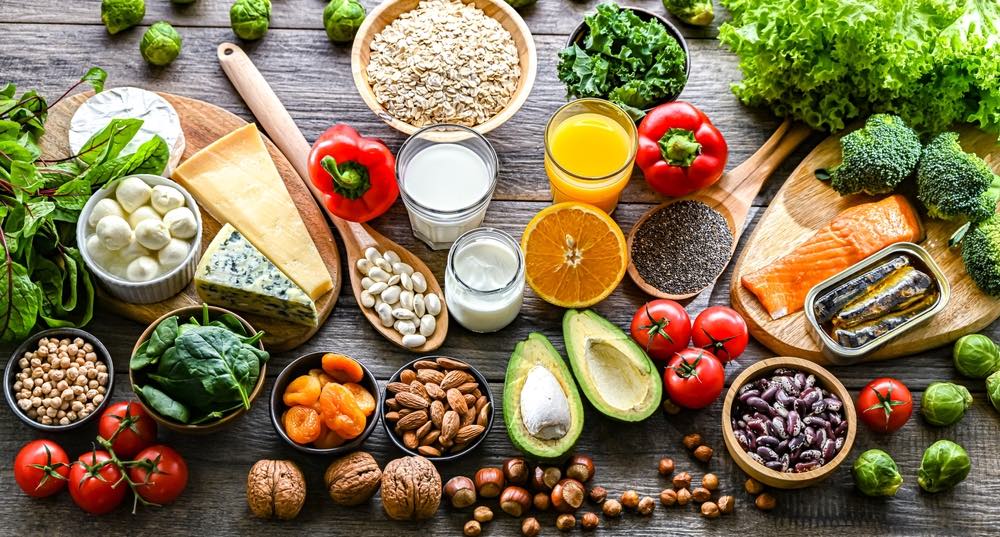
- Balanced Diet: Consume a diet rich in whole foods, including lean proteins, vegetables, fruits, and whole grains. Limit intake of processed foods, sugars, and saturated fats.
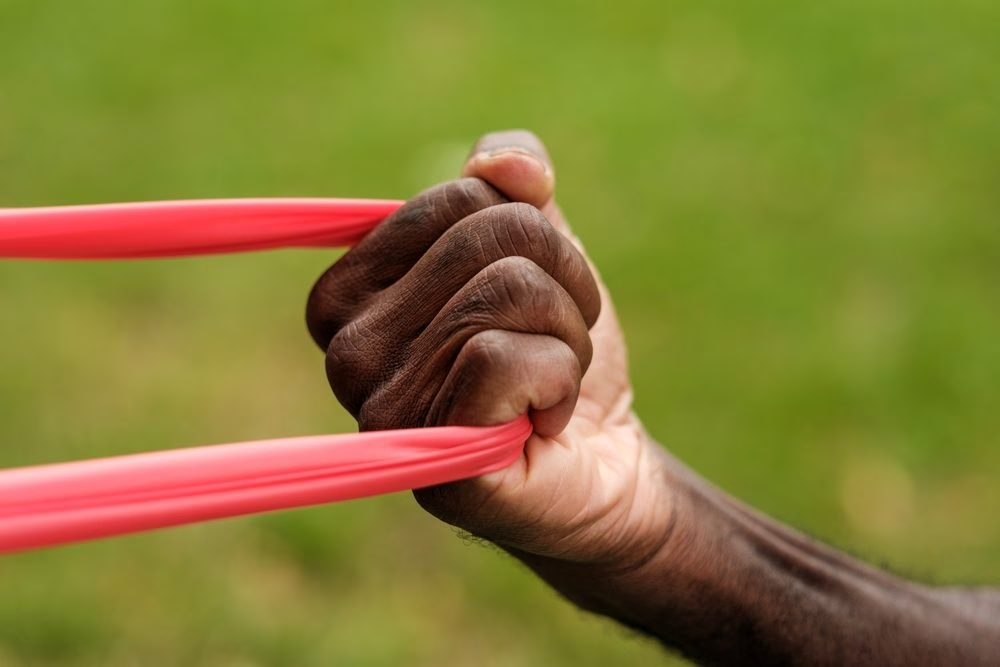
- Regular Exercise: Incorporate both cardiovascular exercises (e.g., running, cycling) and strength training to boost metabolism and build muscle mass. GQ
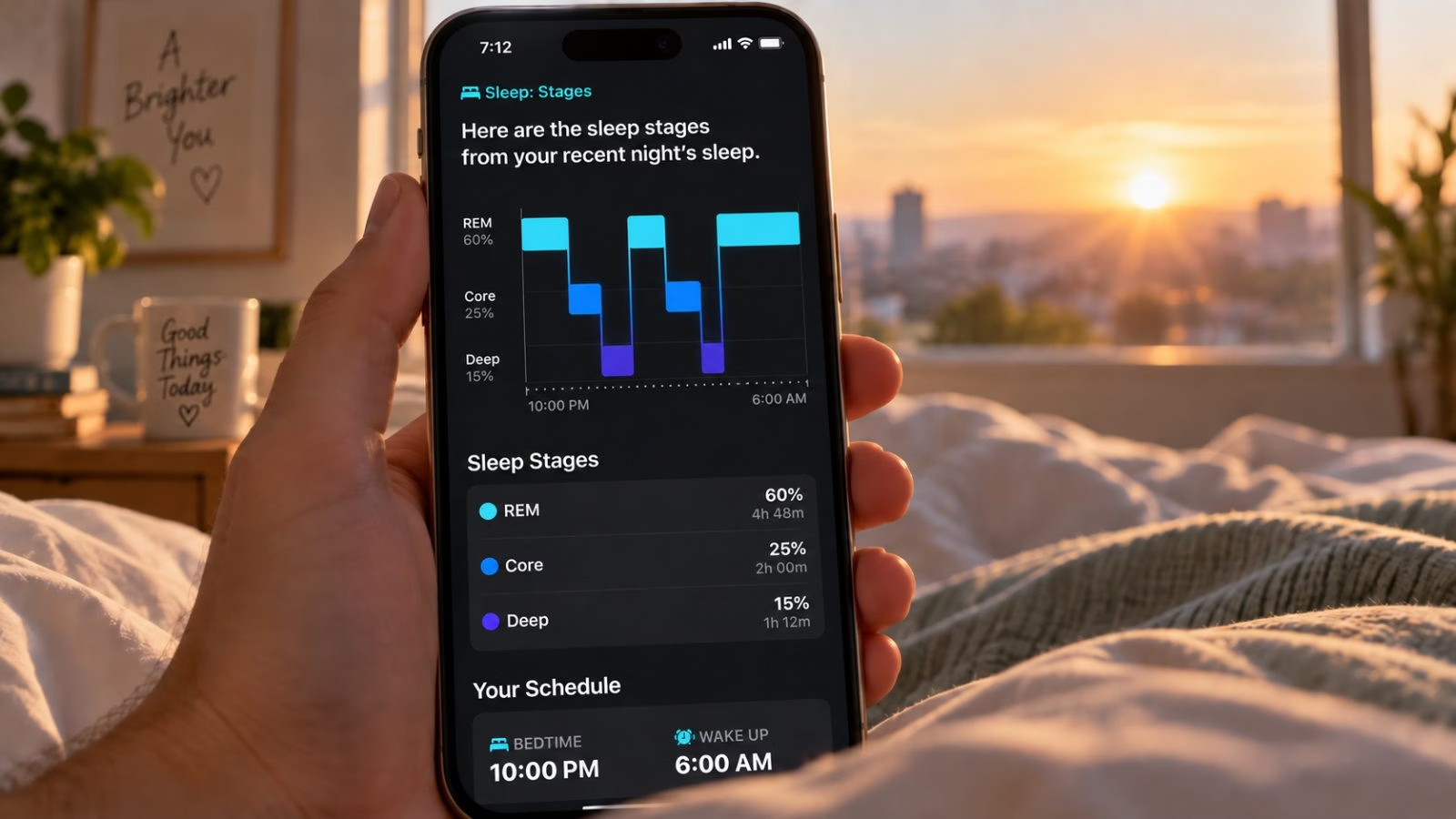
- Adequate Sleep: Aim for 7–9 hours of quality sleep per night, as sleep plays a role in metabolism and appetite regulation.
- Stress Management: Practice stress-reduction techniques such as meditation, yoga, or deep-breathing exercises to prevent stress-induced weight gain.
- Hydration: Maintain adequate hydration to support metabolic processes and overall health.
Consistency in these habits is key to achieving and maintaining a healthy body fat percentage.