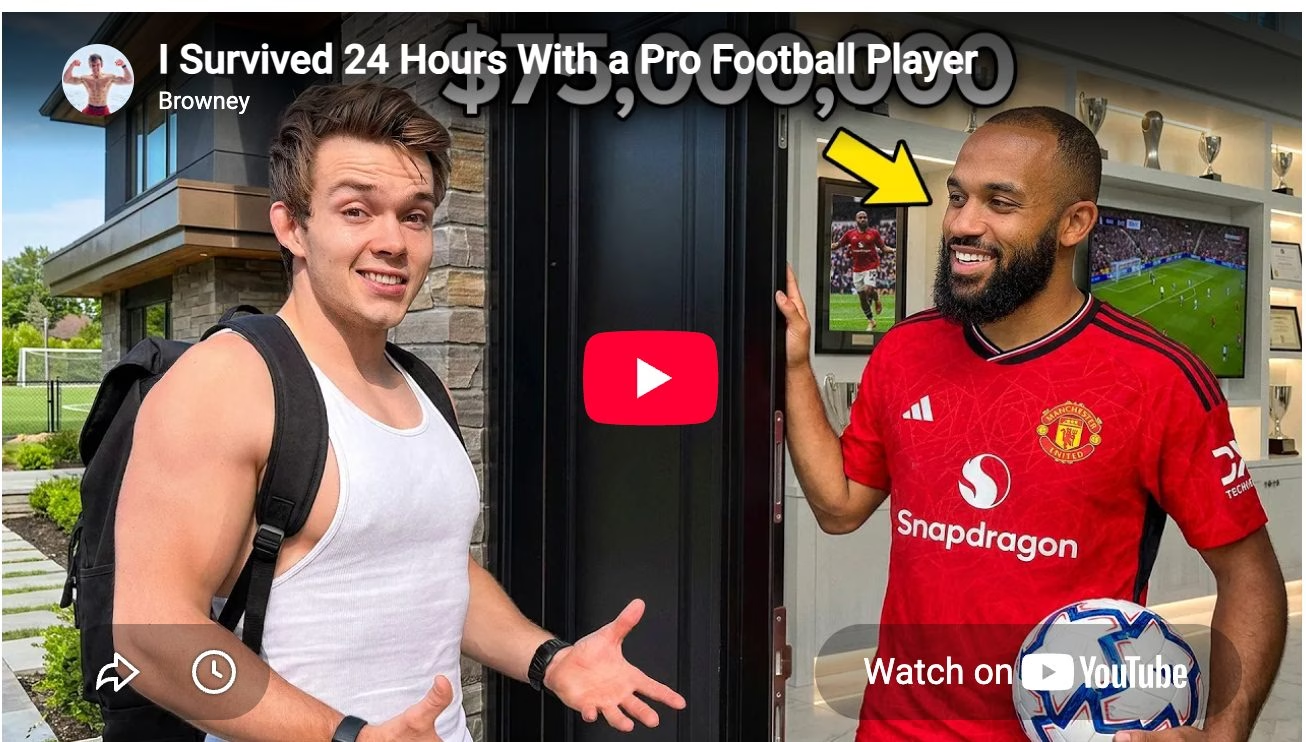
Fitness creator Browney has spent 24 hours attempting to keep up with Manchester United forward Bryan Mbeumo, following him through football training, meals, recovery work and an unexpectedly physical MMA session.
The video, I Survived 24 Hours With a Pro Football Player, passed 900,000 views within its opening days. That response is partly about access. Professional footballers are constantly photographed training, but supporters rarely get an extended look at what happens around the session.
This was not a normal day at Manchester United. Mbeumo was in Marbella completing what he called “pre-preseason” preparation ahead of returning to club training. It was also a sponsored and carefully produced YouTube video. Even so, it reveals something more useful than the fictional “day in the life” routines circulating on social media.
Breakfast Before Training
Mbeumo began with avocado toast, salmon and poached eggs, providing a mixture of carbohydrates, protein and fats before training.
When Browney asked how many calories he ate, Mbeumo did not know. His private chef handled the details, adjusting protein, vegetables and carbohydrates around his workload.
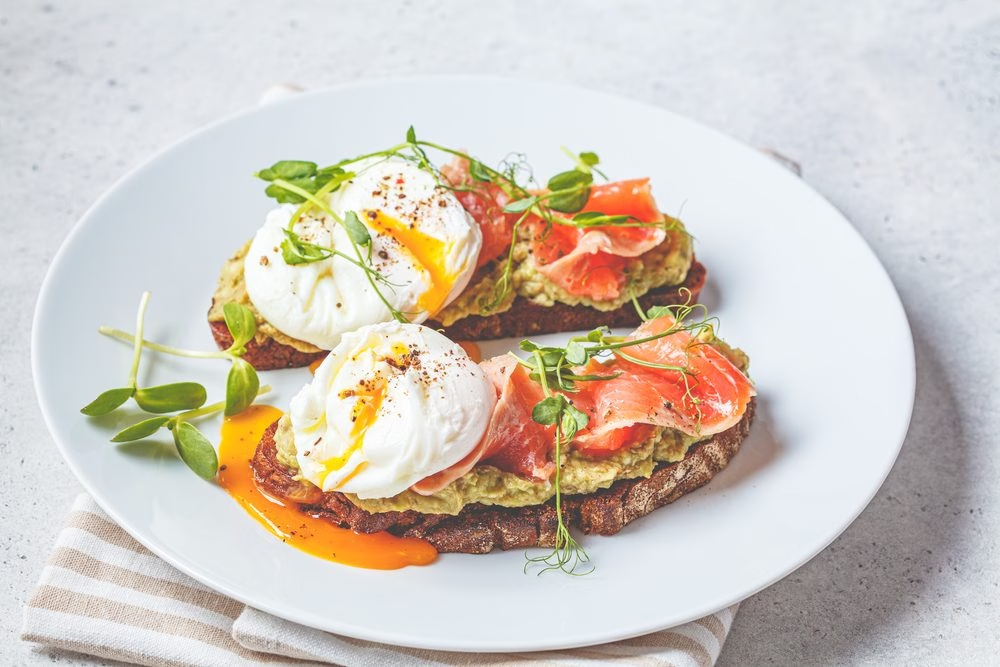
That may be the first useful lesson. The diet was controlled without appearing obsessive. Mbeumo ate three main meals, occasionally snacked and relied on somebody else to make sure the food supported his training.
Later, lunch included vegetables, mashed sweet potato and tuna, followed by fruit. Mbeumo said he was sitting around 81–82 kg and wanted to return to approximately 79–80 kg over the following three or four weeks.
There was no crash diet, detox or exotic supplement protocol. The apparent plan was a small energy deficit, consistent training and meals built around straightforward ingredients.
What His Football Training Looked Like
The session began with gym activation and mobility work before moving onto the pitch.
Mbeumo completed accelerations, rondos, passing drills, finishing exercises, coordination work and a competitive small-sided game. He explained that the session contained less tactical work than Manchester United training, but many of the exercises were similar.
The difference was not that the drills looked impossibly complicated. It was the speed and accuracy expected on every repetition.
Browney, who has played football recreationally for years, could complete the drills. But he struggled with the pace of decision-making when surrounded by professional players.
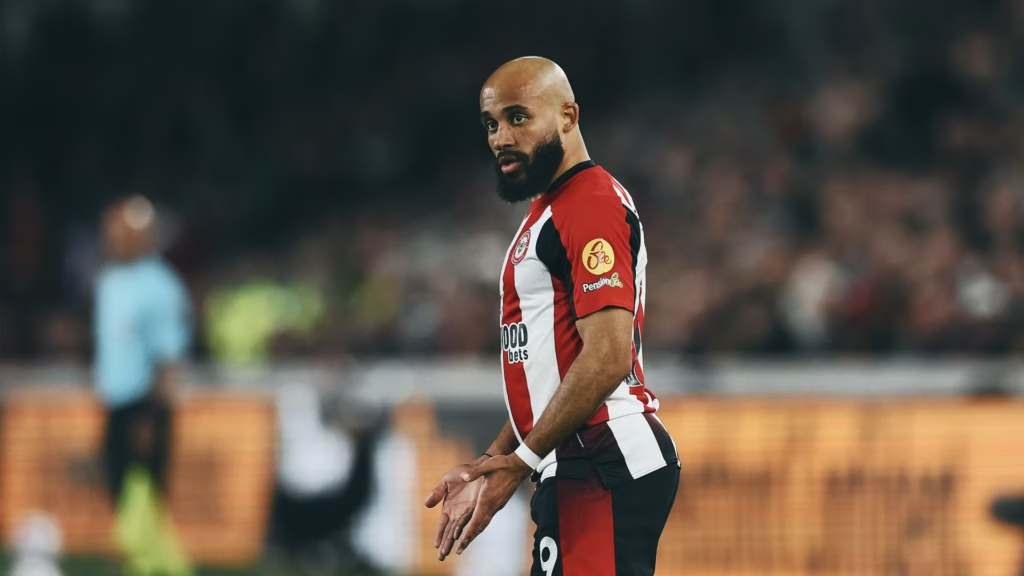
That is an important distinction in elite sport. Fitness helps, but being physically capable of reaching the ball is different from controlling it, assessing the field and making the right decision before the pressure arrives.
During the session, Mbeumo used drinks containing carbohydrates and electrolytes. He also said he sometimes used carbohydrate gels before matches.
Again, nothing revolutionary. The products supported a large amount of running in hot conditions rather than replacing proper food or preparation.
Why Was Mbeumo Doing MMA?
The most unusual part of the day came after football training.
Mbeumo worked with David, a former French special-forces crisis negotiator, inside an MMA cage. The drills initially involved protecting a football while an opponent attempted to take it.
The exercise forced Mbeumo to maintain balance, create space and remain focused on the ball while absorbing physical pressure. The ball was eventually removed and the session became more like conventional combat training.
This does not mean every footballer needs to start cage fighting. It was specialised work designed around Mbeumo’s need to stay strong on the ball and remain composed during physical contact.
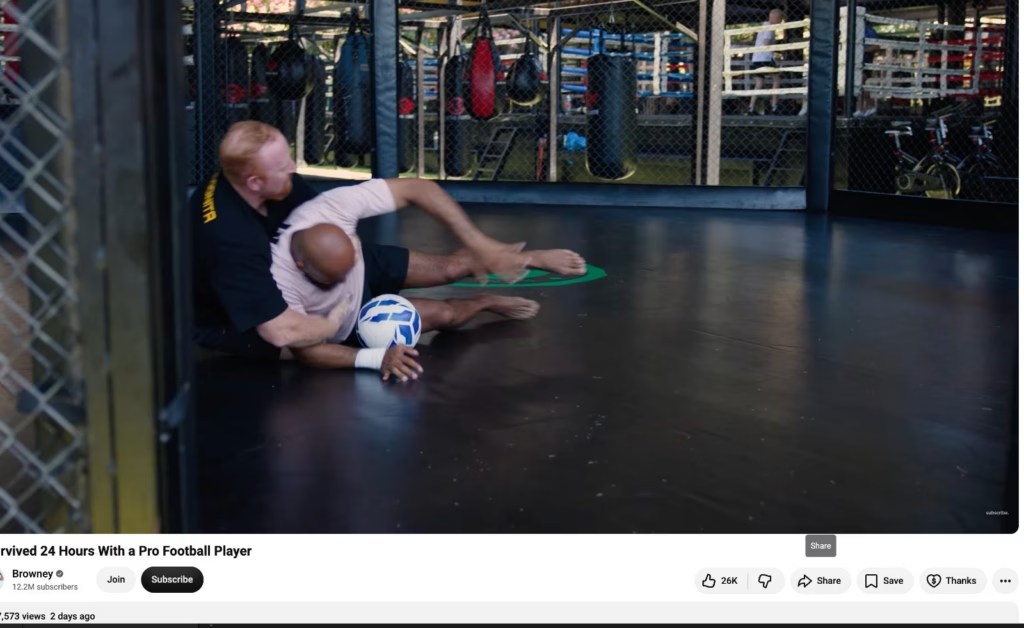
For ordinary athletes, the broader lesson is that strength should transfer to the activity being trained. Building bigger numbers in the gym is useful, but the ability to maintain balance, position and control under pressure may matter more on the field.
Recovery Was Part of the Schedule
Following lunch, Mbeumo moved into a planned recovery block that included a hammam, an ice bath and a lengthy treatment from his physiotherapist.
The video also shows an electrically assisted manual treatment involving specialised gloves. It is presented as part of Mbeumo’s routine, although the video does not provide evidence that the technology improves recovery.
The more meaningful detail is the amount of time allocated to recovery.
Mbeumo was not trying to squeeze training between work, shopping and household jobs. He had a driver, chef, coaches and physiotherapist removing distractions and allowing him to concentrate on performance.
That support system is one of the largest differences between professional athletes and everybody else. The advantage is not always a secret workout. It is having the time and assistance to train, eat, recover and repeat the process consistently.
Why the Video Took Off
Browney’s video combines several reliable YouTube ingredients: rare access, a famous footballer, physical challenges and the question of whether a fit amateur can keep up with a professional.
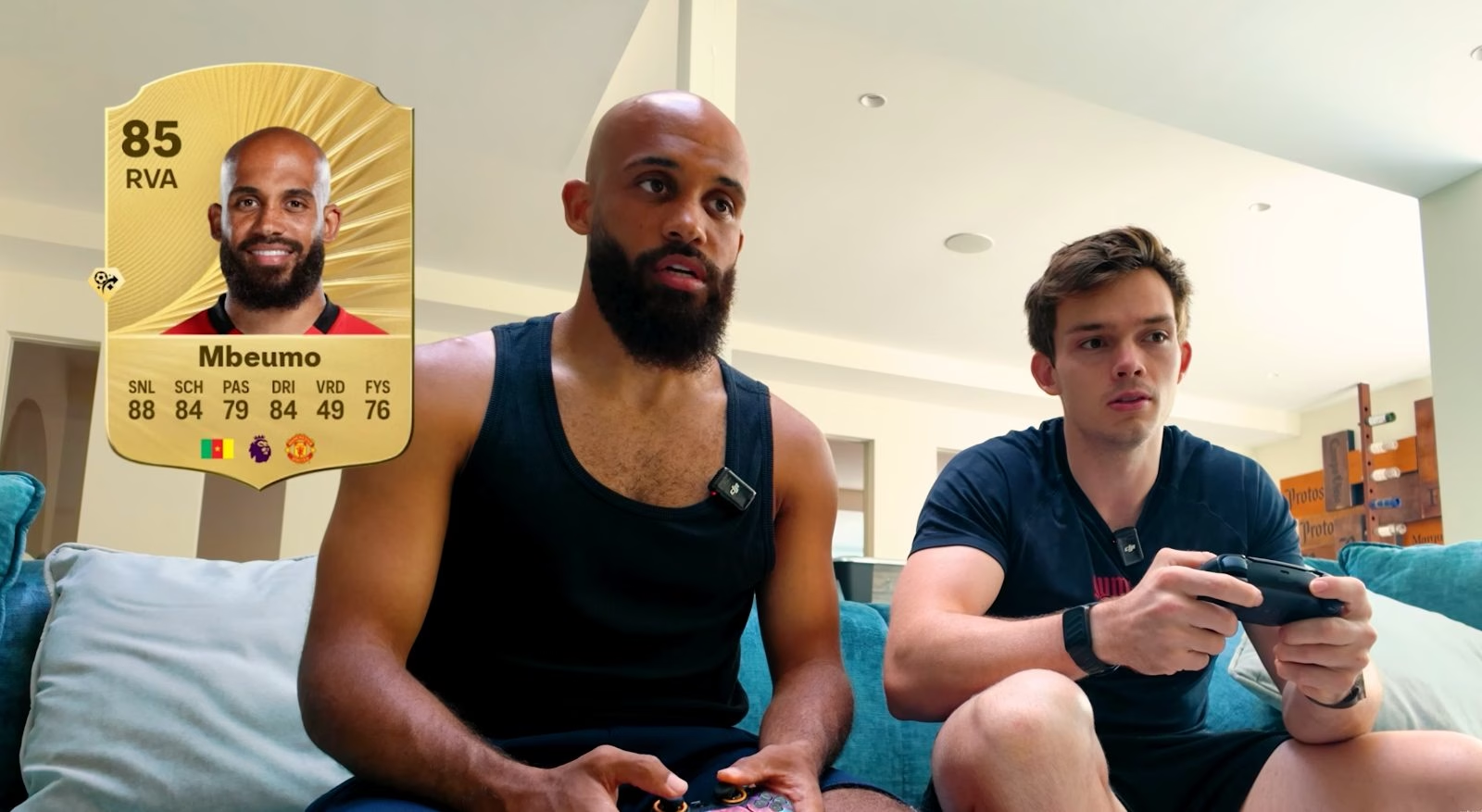
Mbeumo also comes across as relaxed and likeable. He discusses watching anime, playing video games and wanting to face Lionel Messi, then comfortably beats Browney at both FIFA and their final football challenge.
Most importantly, the video promises to expose the fake professional-football routines published online. It creates a gap between what viewers think an elite athlete does and what Mbeumo actually does.
The answer is less sensational than the title. He eats structured meals, completes specific football work, uses carbohydrates during demanding sessions and devotes considerable time to recovery.
There is no single Bryan Mbeumo workout that will turn someone into a Manchester United player.
What the video shows is a talented athlete supported by years of practice and an increasingly sophisticated team. The exercises matter, but the repeatable system around them may matter even more.