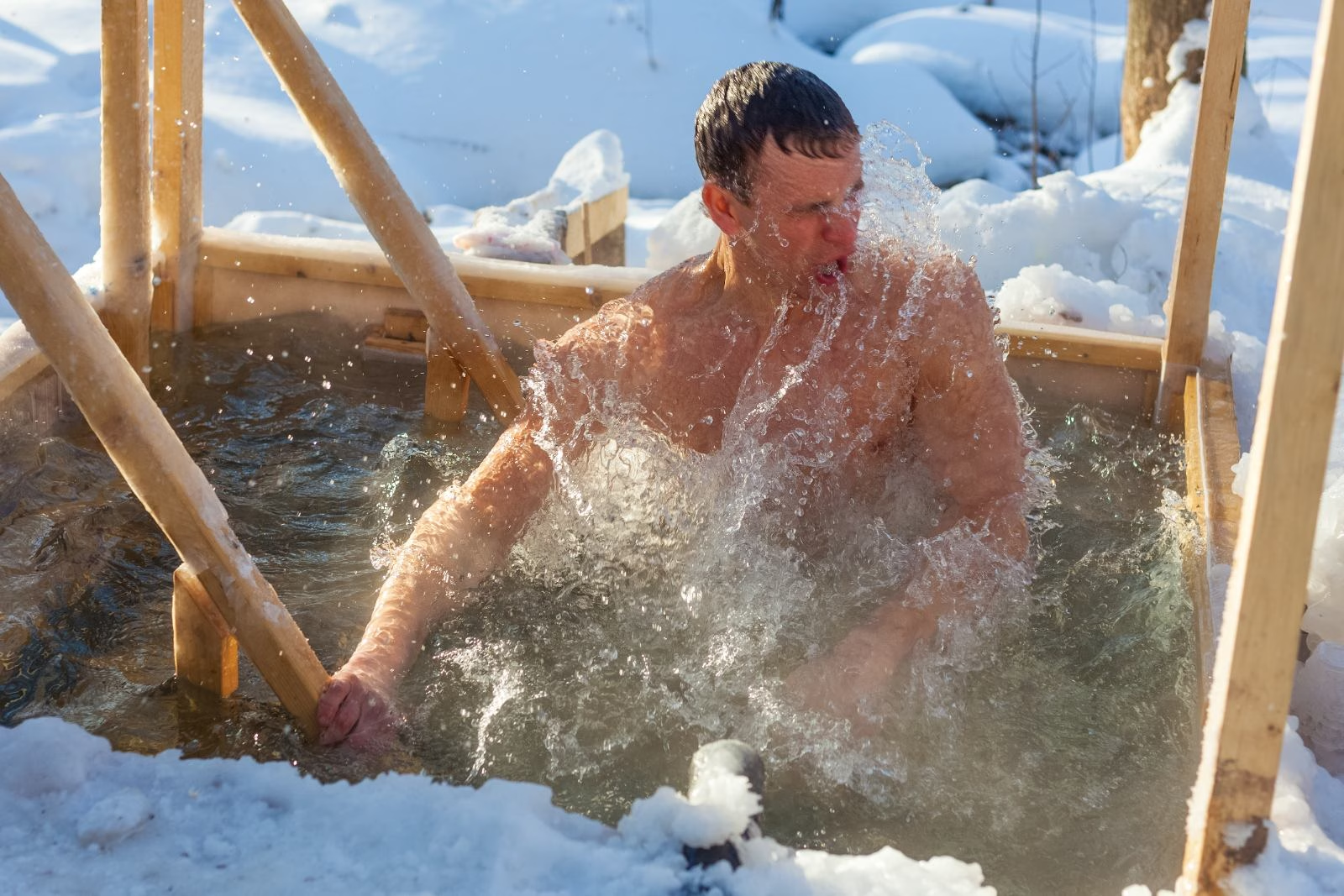
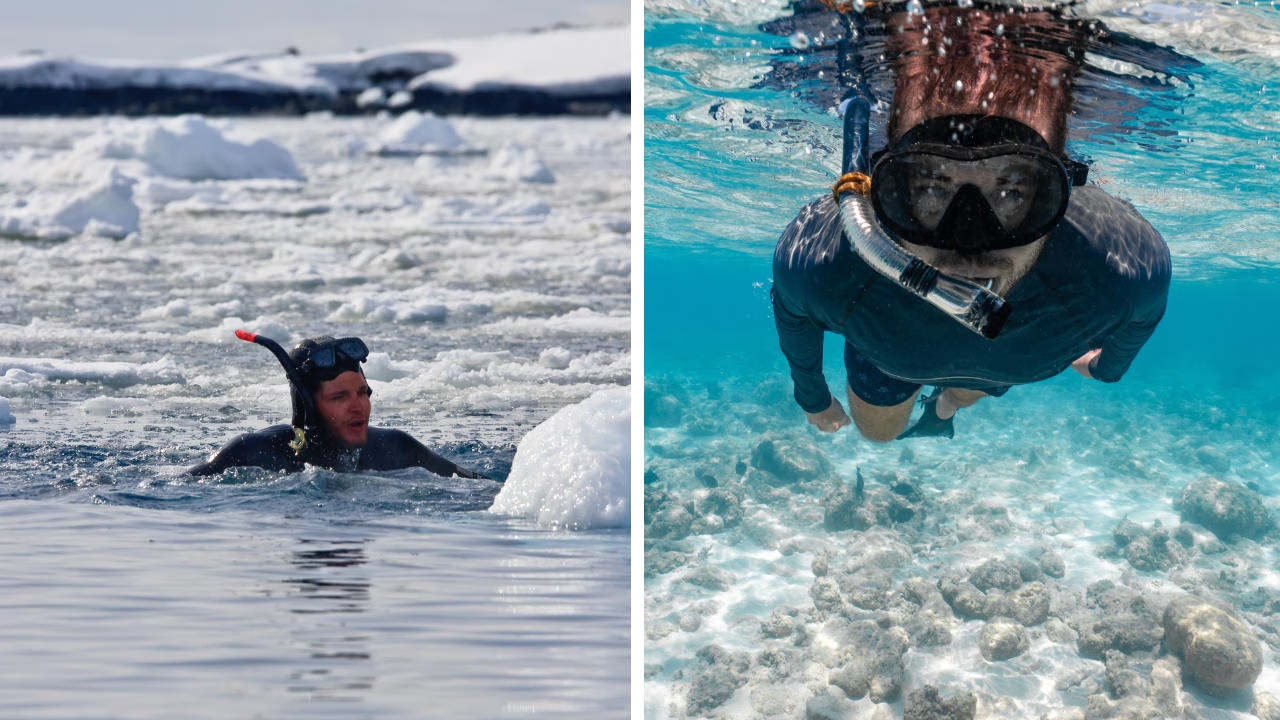
The right wetsuit comes down to one number: the water temperature. Water moves heat away from your body with incredible efficiency. As Jack found out in Titanic, cold water is a killer without the right gear. So here’s what to wear from tropical 28°C down to single digits, what the numbers on a wetsuit mean, how cold is too cold to swim, and what the sea is actually doing around Australia, and on the main US coasts, month by month.
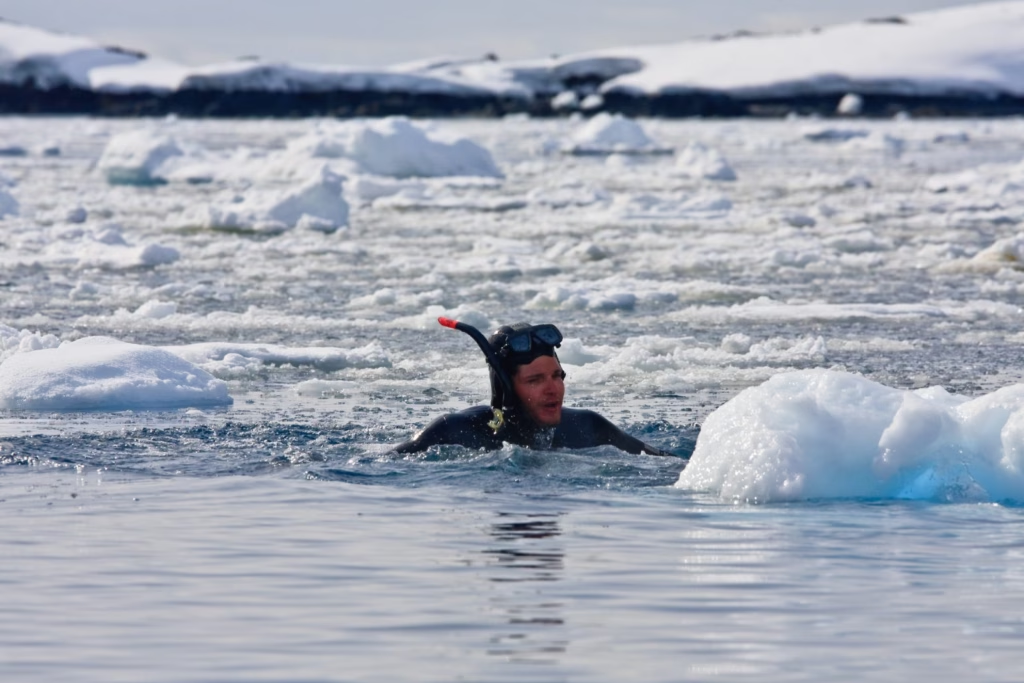
- 24°C and above (75°F+): Boardies or a rash vest; no booties, gloves or hood
- 18–24°C (64–75°F): 2 mm spring suit, short-arm suit or wetsuit top
- 16–18°C (61–64°F): 3/2 mm full wetsuit (steamer); booties optional
- 13–16°C (55–61°F): 4/3 mm steamer; booties recommended
- 9–13°C (48–55°F): 4/3 or 5/4 mm steamer; booties and gloves
- Below 9°C (below 48°F): 5/4 or 6/5 mm hooded steamer; booties, gloves and hood
Our chart, checked against the main wetsuit makers’ guides. Treat it as a starting point: wind, session length, fit and your own cold tolerance all move the line.
Wetsuit temperature chart
| Water temperature | What to wear | Extras |
|---|---|---|
| 24°C and above (75°F+) | Boardies or a rash vest | No booties, gloves or hood |
| 18–24°C (64–75°F) | 2 mm spring suit, short-arm suit or wetsuit top | — |
| 16–18°C (61–64°F) | 3/2 mm full wetsuit (steamer) | Booties optional |
| 13–16°C (55–61°F) | 4/3 mm steamer | Booties recommended |
| 9–13°C (48–55°F) | 4/3 or 5/4 mm steamer | Booties and gloves |
| Below 9°C (below 48°F) | 5/4 or 6/5 mm hooded steamer | Booties, gloves and hood |
Two rules of thumb sit behind the chart. First, the colder the water, the thicker the neoprene, and once you’re under about 16°C your feet and hands start to matter as much as your torso. Second, it’s the water temperature that counts. A 30°C day doesn’t warm 15°C water, and the National Center for Cold Water Safety in the US says plainly that when you fall in, “the air temperature is irrelevant” (NCCWS).
What the numbers on a wetsuit mean
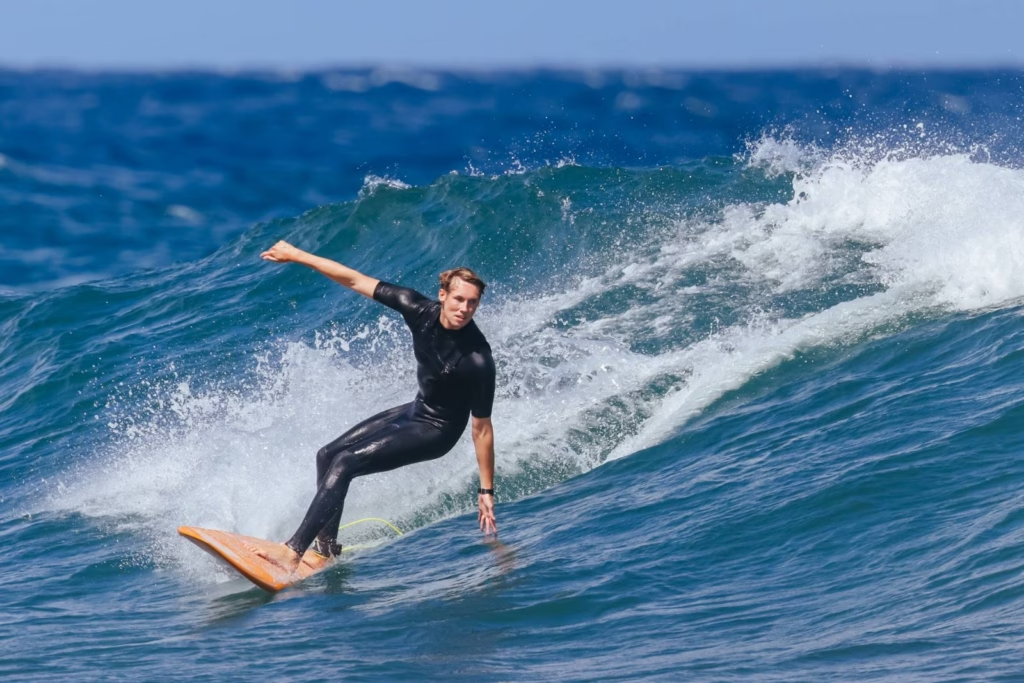
Wetsuit thickness is written as two numbers. The first is the thickness of the torso panels in millimetres, the second the thickness through the arms and legs. A 4/3 has 4 mm of neoprene around your core and 3 mm on your limbs: warmer where you lose the most heat, more flexible where you paddle.
- Steamer: the Australian name for a full-length wetsuit, long arms and legs.
- Spring suit (springsuit): short arms and legs, usually 2 mm, for mild water.
- Wetsuit top or vest: extra warmth for the core with boardies, for water just under rash-vest temperature.
- Hooded steamer: a full suit with an attached hood, for the coldest water.
How cold is too cold to swim?
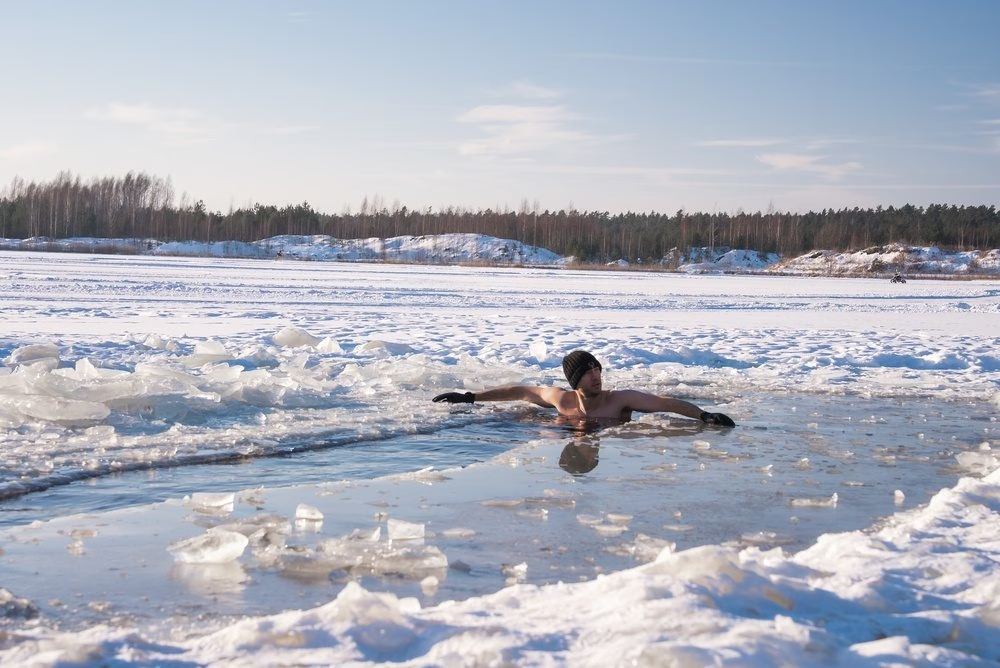
There’s no single cut-off, but there are clear danger zones. The US National Center for Cold Water Safety (NCCWS) advises treating any water below 21°C (70°F) with caution (NCCWS). Between 15 and 21°C, holding your breath gets progressively harder. Between 10 and 15°C, it says most people who aren’t used to cold water will hit maximum-intensity cold shock: a gasp reflex and loss of breathing control in the first minutes, which is when drownings happen.
That’s why a wetsuit is a safety layer as much as a comfort one: it slows the shock as well as the heat loss. If you’re swimming in water under about 18°C, get in gradually, don’t swim alone, stay close to shore until your breathing settles, and build up exposure over weeks. Our ocean swimming guide covers the basics, and if you’re using cold water for recovery, read whether cold plunges are costing you gains.
The first seconds: a huge gasp you can’t stop. If your face is under, you breathe in water.
The next few minutes: your breathing races out of control, and your heart rate and blood pressure spike.
Within half an hour: your hands go useless, then your arms and legs. Good swimmers stop being able to swim.
After about 30 minutes: hypothermia, as your core drops below 35°C.
Most people who die in cold water never reach the last stage. Cold water shock and hypothermia, minute by minute →
Water temperatures around Australia
Average sea temperatures, warmest and coldest months, and what the chart says to wear in the coldest month. The north never really needs neoprene; the south needs it all year.
| Location | Warmest month | Coldest month | Winter suit |
|---|---|---|---|
| Sydney (incl. Bondi) | 23.7°C (February) | 18.6°C (September) | 2 mm spring suit or wetsuit top |
| Newcastle | 24.0°C (February) | 18.9°C (August) | 2 mm spring suit or wetsuit top |
| Wollongong | 23.4°C (February) | 18.1°C (August) | 2 mm spring suit or wetsuit top |
| Gold Coast | 27.2°C (February) | 21.7°C (July) | 2 mm spring suit or wetsuit top |
| Byron Bay | 27.1°C (February) | 21.5°C (August) | 2 mm spring suit or wetsuit top |
| Noosa | 27.2°C (February) | 21.2°C (August) | 2 mm spring suit or wetsuit top |
| Cairns | 29.4°C (January) | 23.8°C (July) | 2 mm spring suit or wetsuit top |
| Darwin | 31.4°C (December) | 25.7°C (July) | Boardies or rash vest |
| Melbourne | 18.8°C (February) | 14.6°C (September) | 4/3 mm steamer, booties |
| Torquay | 18.3°C (February) | 13.3°C (August) | 4/3 mm steamer, booties |
| Hobart | 16.9°C (February) | 12.7°C (August) | 4/3 or 5/4 mm, booties and gloves |
| Adelaide | 21.2°C (February) | 13.7°C (August) | 4/3 mm steamer, booties |
| Perth | 23.2°C (March) | 18.7°C (September) | 2 mm spring suit or wetsuit top |
Month by month: Sydney, Melbourne, Perth and the Gold Coast
| Month | Sydney | Melbourne | Perth | Gold Coast |
|---|---|---|---|---|
| January | 23.3°C | 18.6°C | 21.7°C | 26.2°C |
| February | 23.7°C | 18.8°C | 22.6°C | 27.2°C |
| March | 23.5°C | 18.4°C | 23.2°C | 26.4°C |
| April | 22.6°C | 17.9°C | 22.6°C | 25.6°C |
| May | 21.1°C | 17.1°C | 21.9°C | 24.2°C |
| June | 19.7°C | 15.8°C | 21.1°C | 22.8°C |
| July | 19.2°C | 15.0°C | 19.7°C | 21.7°C |
| August | 18.8°C | 14.7°C | 19.2°C | 21.7°C |
| September | 18.6°C | 14.6°C | 18.7°C | 22.1°C |
| October | 19.2°C | 15.1°C | 18.7°C | 22.8°C |
| November | 20.5°C | 16.5°C | 19.4°C | 24.6°C |
| December | 22.2°C | 17.4°C | 20.7°C | 25.5°C |
A few things stand out. Sydney never drops much below 19°C on average, which puts its winter just inside the 2 mm band, on the line with a 3/2: go 3/2 for long sessions or windy days. Perth’s water peaks in March, not January. Melbourne, Torquay and Adelaide fall into 4/3-and-booties territory in winter, Hobart colder still, and Hobart is the only capital that stays under 17°C even in summer. In the tropics the issue isn’t cold at all, it’s marine stingers: see our stinger season guide.
Winter water temperatures on US coasts
| Location | Coldest month (average) | What to wear |
|---|---|---|
| Boston | 3.2°C / 38°F (March) | 5/4 or 6/5 mm hooded, booties and gloves |
| Seattle | 7.4°C / 45°F (February) | 5/4 or 6/5 mm hooded, booties and gloves |
| San Francisco | 11.3°C / 52°F (June) | 4/3 or 5/4 mm, booties and gloves |
| Outer Banks, NC | 11.8°C / 53°F (February) | 4/3 or 5/4 mm, booties and gloves |
| Myrtle Beach, SC | 14.3°C / 58°F (March) | 4/3 mm steamer, booties |
| Santa Monica / Long Beach | 14.4°C / 58°F (March) | 4/3 mm steamer, booties |
| San Diego | 14.9°C / 59°F (February) | 4/3 mm steamer, booties |
| Miami | 22.1°C / 72°F (February) | 2 mm spring suit or wetsuit top |
| Honolulu | 23.9°C / 75°F (March) | 2 mm spring suit or wetsuit top |
Northern California and the Pacific Northwest stay cold all year, which is why 4/3s and 5/4s are standard there. Divers and paddlers in the coldest of this water often move to a drysuit: PADI says water below 10°C (50°F) calls for one when diving (wetsuit vs drysuit).
Alternatives to a neoprene wetsuit
Neoprene isn’t the only option, especially for paddling, boating and swimming where you’re in and out of the water.
- Rash vest (rash guard): sun and chafe protection, little warmth. Fine on its own above about 24°C, or under a wetsuit.
- Stinger suit: a full-length lycra suit for tropical water in stinger season (stinger season).
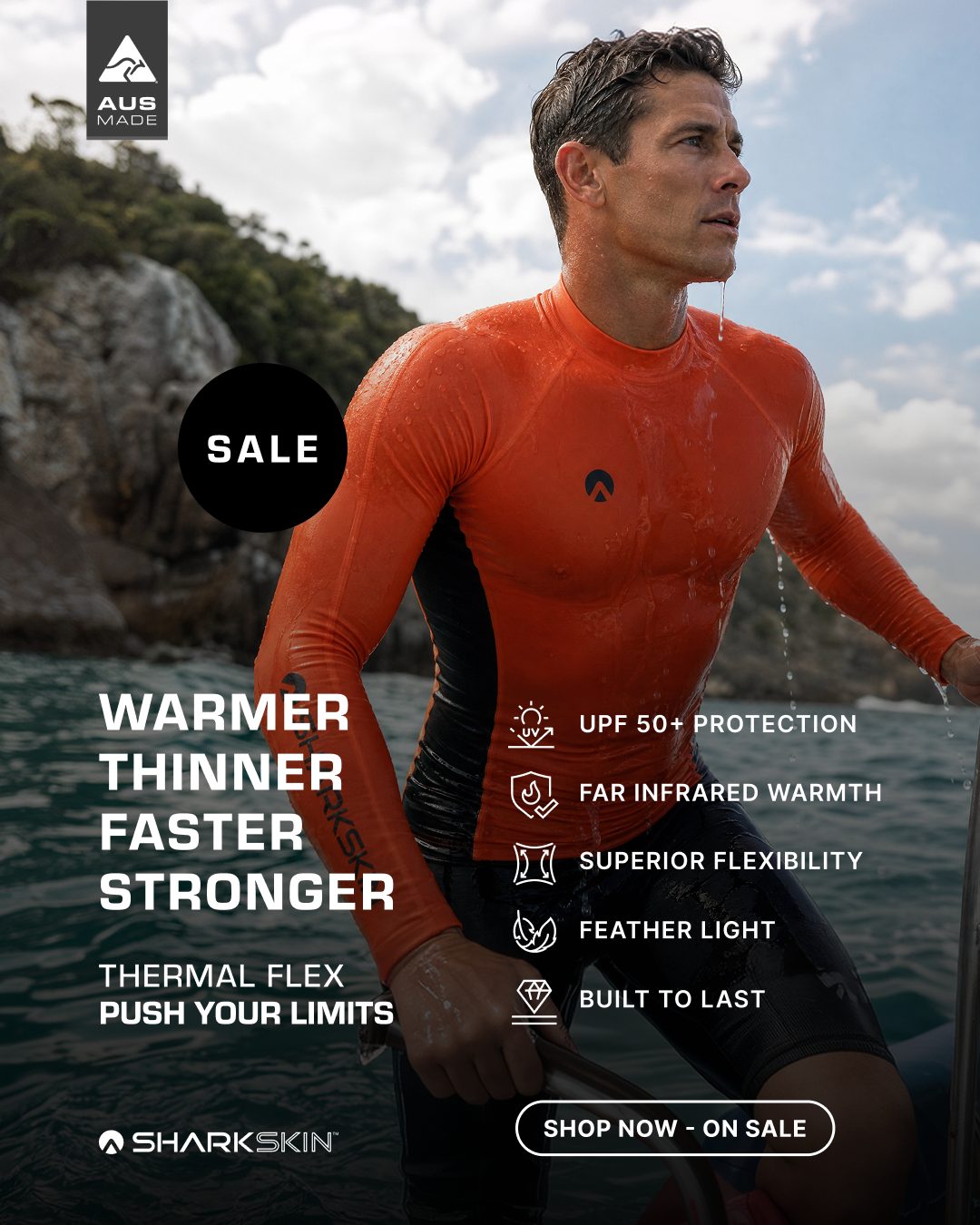
- Non-neoprene thermal layers: such as Sharkskin. Sharkskin says its Chillproof fabric is “equivalent to a 3mm neoprene wetsuit underwater” and its T2 version is “closer to a 5mm neoprene” (Sharkskin). We haven’t seen an independent test of those figures; our Sharkskin explainer covers how it works.
- Drysuit: keeps water out entirely and relies on layers underneath, for the coldest water (wetsuit vs drysuit).
Other things that change what you need
- Wind: wind chill on wet skin makes a mild day feel cold, especially for paddlers and anyone sitting on a board between waves.
- Session length: a 20-minute swim and a three-hour surf in the same water need different suits.
- Activity: swimmers and paddlers generate heat; divers and fishers sitting still lose it.
- Fit: a loose wetsuit flushes cold water through and loses most of its warmth. It should be snug, without restricting breathing.
- You: body composition and cold tolerance vary a lot. If you’re always cold, go one band warmer.
FAQ
What thickness wetsuit for 18°C water?
Most people wear a 3/2 mm full wetsuit (steamer). Our chart puts 18°C right on the line between a 3/2 and a 2 mm spring suit, so go 3/2 for long sessions or windy days.
What wetsuit do I need in Sydney in winter?
A 2 mm spring suit or wetsuit top for a short swim, and a 3/2 mm steamer for longer sessions. Sydney’s sea averages 18.6–19.2°C from July to October, its coldest months, just above the 18°C line on our chart.
Do you need a wetsuit in Melbourne in summer?
Most people do for anything longer than a dip. Melbourne’s water averages about 18.8°C in February, its warmest month, right on the line between a 2 mm spring suit and a 3/2 steamer.
Is 15°C water too cold to swim?
It’s swimmable with care, but it’s in the 10–15°C range where the US National Center for Cold Water Safety says unacclimatised people get maximum cold shock. Wear a 4/3 wetsuit, enter slowly and don’t swim alone.
What does 4/3 mean on a wetsuit?
4 mm of neoprene on the torso and 3 mm on the arms and legs.
More on what to wear in the water
- Stinger season: when it starts, where, and how to stay safe
- Wetsuit vs drysuit: which do you need?
- What to wear kayaking and paddle boarding
- What is Sharkskin? The Australian wetsuit alternative
- Cold water shock and hypothermia, minute by minute
Sharkskin advertises on Men’s Fitness Online. Product claims in this article are Sharkskin’s own and are labelled as such.