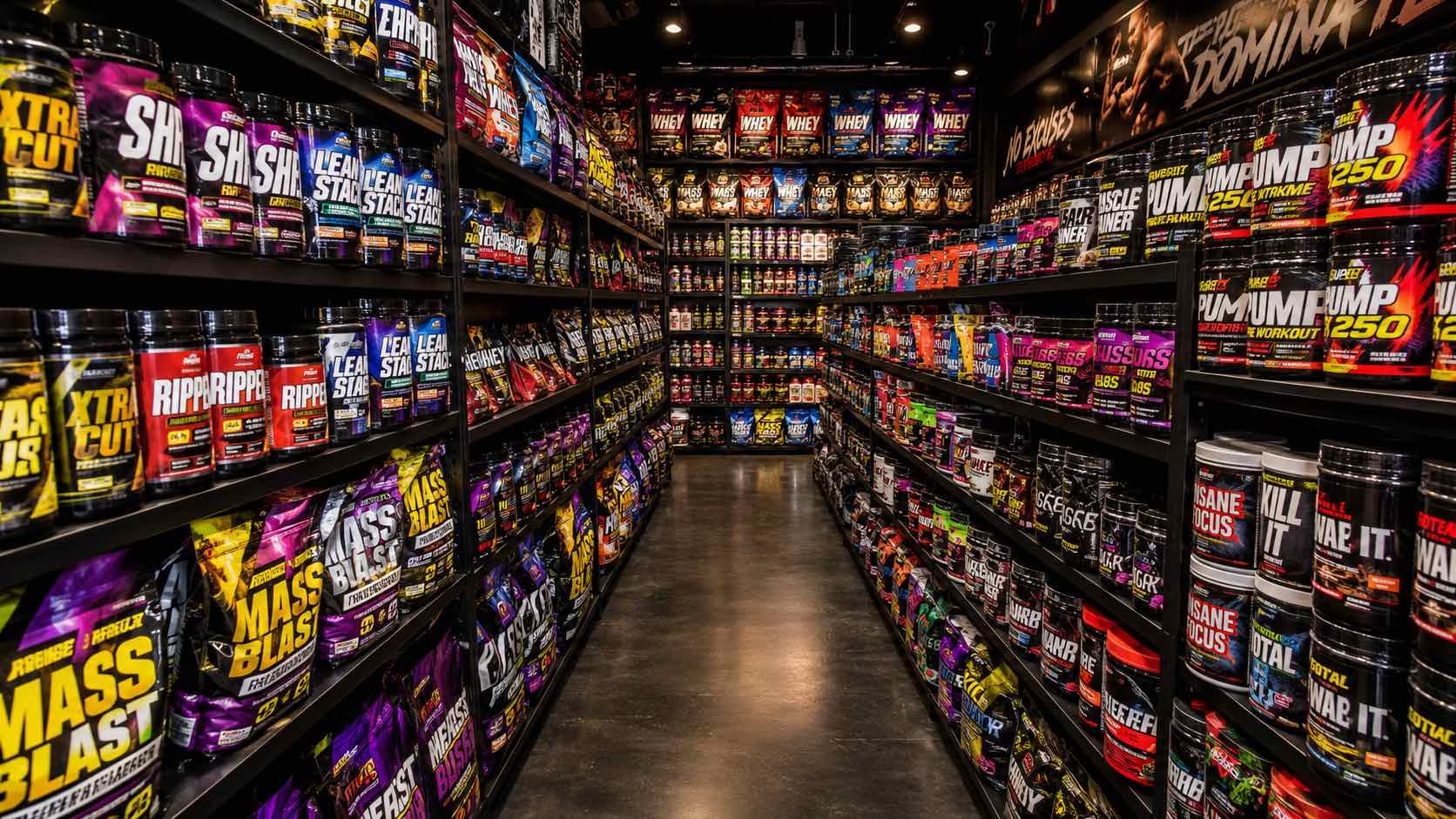

There are tubs promising explosive muscle, all-day energy, overnight recovery, weaponised testosterone and abs apparently visible from space. If you are a newbie, or an oldbie looking for a bit of, well, supplementation, it can be overwhelming.
And God forbid you go online and start listening to influencers who are getting steadily richer by selling you bullshit or something called X-Shred, Alpha-Rage or whatever radioactive-looking powder launched this week. Here is the less exciting truth: you probably do not need many supplements, if any.
Most people can get the vitamins and minerals they need from a balanced diet, although certain medical conditions, restrictive diets and life stages can create genuine gaps. For many people, as Dr. Victor Herbert, said, vitamins for most people, are simply a way to “make expensive urine.” They are not meant to replace food, sleep, training or basic adult competence.
Start with the problem
Before buying anything, ask what you are actually trying to achieve. Do you struggle to put on muscle? Are you training hard and trying to improve strength? Have blood tests shown a deficiency? Do you eat no animal products? Are you trying to stay awake for an evening workout? Those are problems a supplement might help solve. “A ripped dude on Instagram takes it” is not a problem.
Protein powder
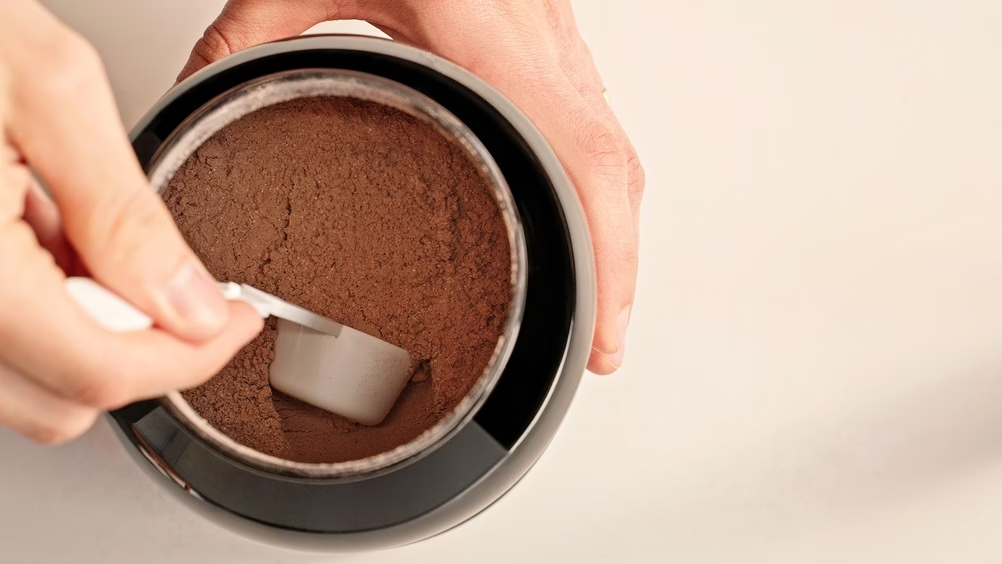
Protein powder is food with the chewing removed. It can help if you train regularly, are trying to build or preserve muscle, or consistently fall short of your daily protein target. Whey protein is convenient, relatively cheap and well researched. Plant-based powders are useful if you avoid dairy or prefer not to consume animal products. But protein powder is not automatically better than eggs, yoghurt, fish, chicken, tofu or lean meat. It is simply easier to eat quickly and carry around in a plastic shaker.
Creatine monohydrate
Creatine is one of the few sports supplements that deserves its reputation. Taken consistently, it can improve strength, repeated high-intensity performance and support gains in lean mass when combined with resistance training. The standard approach is 3–5 g per day. You do not need an aggressive loading protocol, and you definitely do not need a premium “advanced creatine matrix” containing fairy dust and mango flavouring. Buy plain creatine monohydrate. Job done.
Caffeine
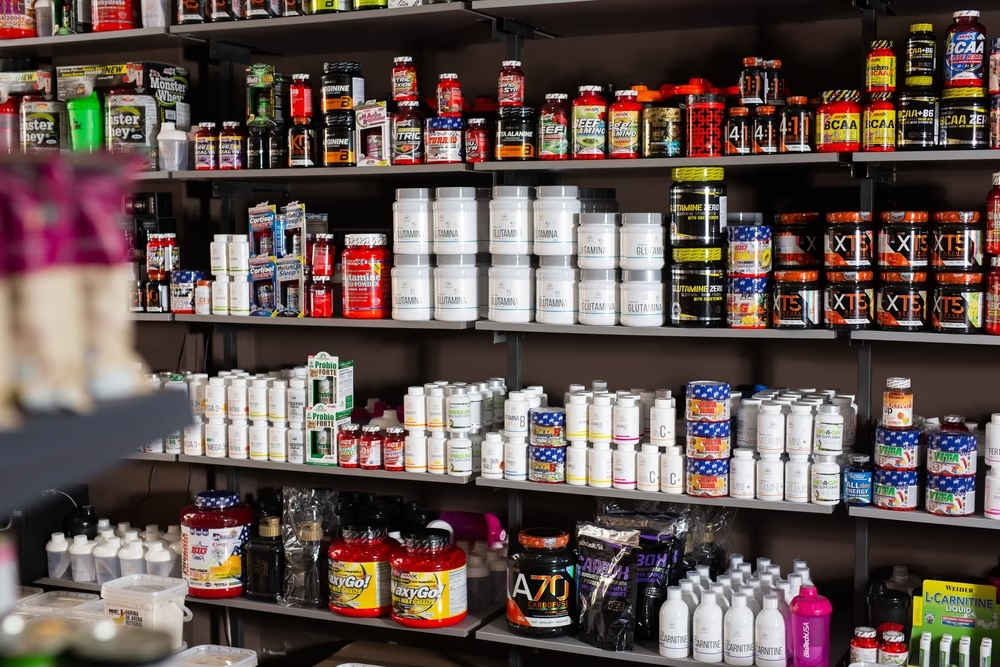
Caffeine can improve alertness, effort and exercise performance. It is also cheap, widely available and already sitting inside your coffee machine. The problem is that more is not always better. Large pre-workout doses can cause anxiety, trembling, stomach trouble, a racing heart and sleep disruption. That last one matters because sacrificing sleep to improve a workout is like setting fire to your house to warm the bathroom. Start low, avoid taking it late in the day and remember that tolerance builds.
Vitamins and minerals
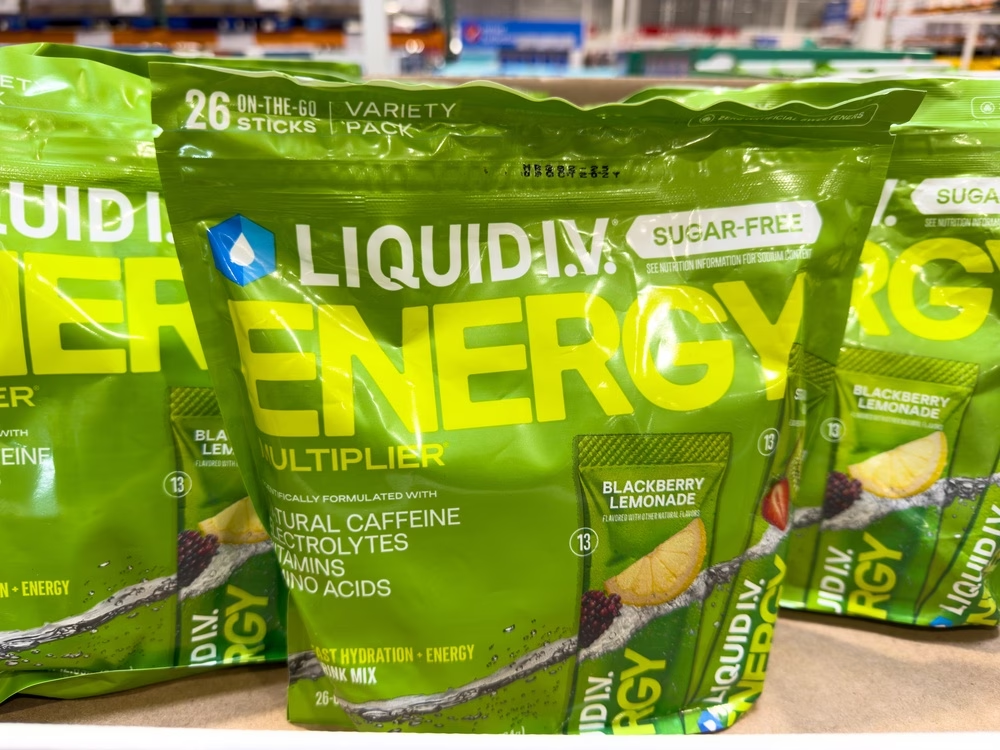
This is where individual circumstances matter. Vitamin D may be recommended if you have low levels or limited sun exposure. Vitamin B12 deserves attention if you follow a vegan diet. Iron should generally be taken because testing has identified a problem, not because you feel a bit tired on Tuesday. Magnesium may help correct a low intake, but it is not a universal cure for stress, sleep, cramps, testosterone and whatever else the internet has assigned to it this month.
A multivitamin can provide some nutritional insurance for people with a limited diet. It cannot cancel out years of eating beige food.
Fish oil, greens powders and everything else
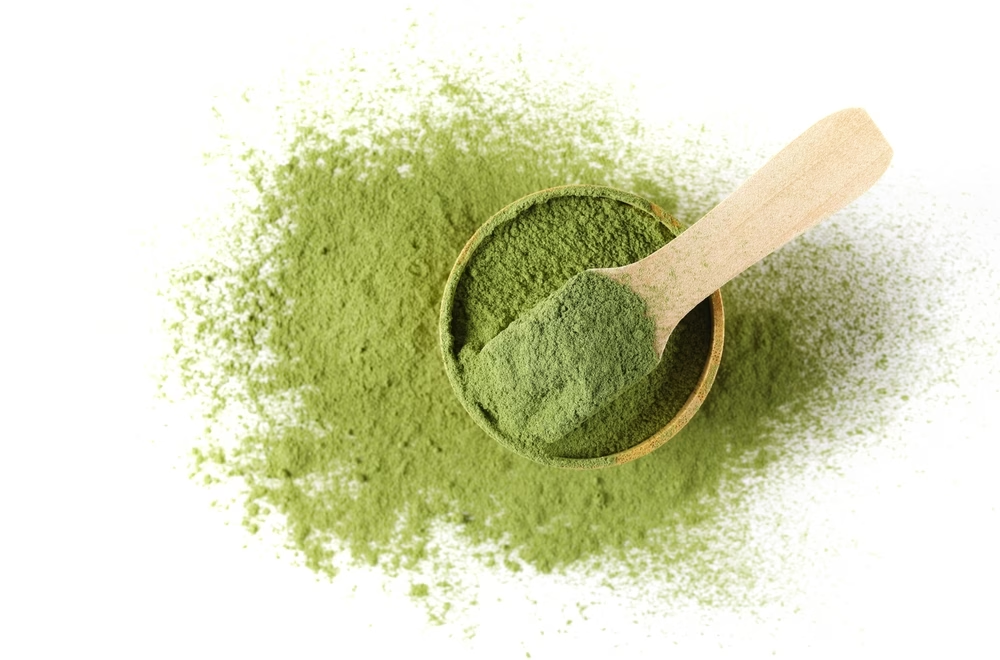
Fish oil may be useful if you rarely eat oily fish, although the benefits depend on the person, the dose and the reason for taking it. Greens powders are convenient, but they are not powdered moral superiority. They do not reproduce all the fibre, volume and variety you get from eating actual fruit and vegetables.
Fat burners are usually caffeine wearing a more expensive shirt. Testosterone boosters are mostly marketing. BCAAs are generally unnecessary if you already eat enough complete protein. Detox products are a tax on people who have forgotten what the liver does.
The sensible supplement stack
If you want to find out what type of stack you need. We made and ad-free, non commercial FREE desktop app call What-Supp to give you direction not sell you something. Answer honestly and you’ll have a place to start.