
There was a period where creatine sounded less like a supplement and more like a public health threat.
In the late 1990s, headlines linked it to deaths, kidney problems, dehydration and almost every other scary thing journalists could attach to a white powder in a black tub. Creatine’s secret history is fascinating.
To a public already suspicious of gym culture, creatine became lumped somewhere between steroids and whatever giant shirtless men were yelling about on late-night fitness ads. The panic was loud. The science, less so.
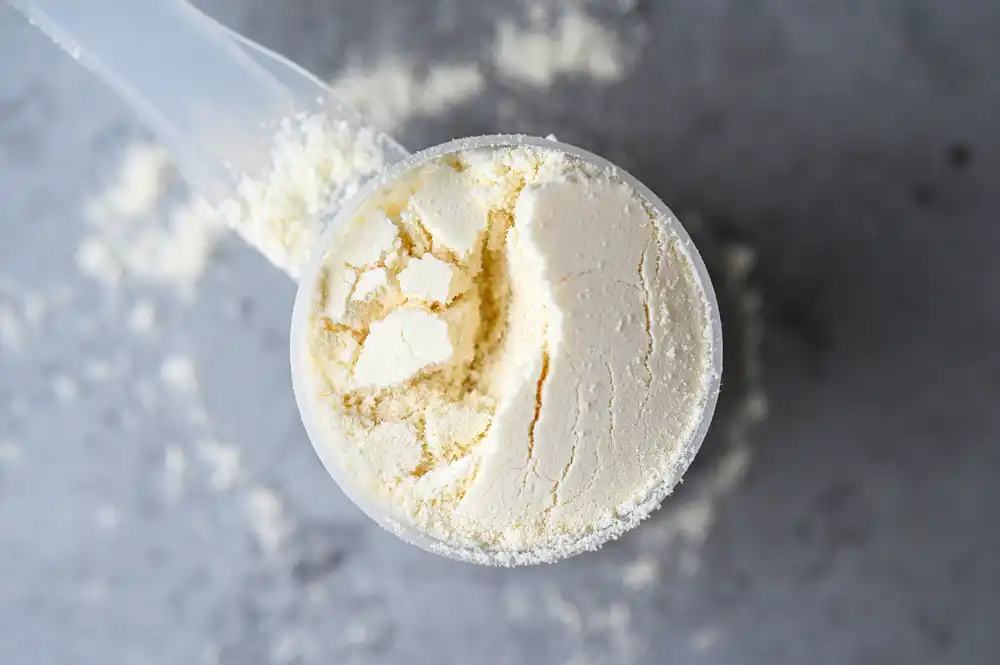
Nearly 30 years later, creatine is still here. Most of the scare stories are not. What survived instead was an enormous body of research, hundreds of clinical studies and a growing realisation that creatine might actually be one of the few supplements in the fitness world that consistently does what it says on the label. Which is partly why the people using it have changed.
Creatine Comes of Age
Creatine used to belong almost entirely to bodybuilders and rugby players trying to add size before pre-season. These days, it’s just as likely to be sitting on the kitchen bench of a 48-year-old dad training for HYROX, a runner trying to recover better between sessions or even a soccer mum who does Pilates 4 times a week. Creatine is back, baby.
Men in their 40s and 50s are no longer quietly transitioning into “slowing down”. They’re joining running clubs, lifting weights again, tracking recovery and trying to stay capable rather than simply stay skinny. The conversation has moved away from looking enormous and towards performing well for longer.

Creatine fits that world surprisingly well — because it replaces training, sleep or nutrition. (Tik Tok and Insta is full of shit. But you know that.) But because it helps support the exact things that become harder to maintain with age like real-world pick-up-your-kids strength; muscle mass, recovery and a host of others positive benefits.
And unlike much of the supplement industry, creatine has decades of actual evidence behind it.
The Scare Stories Never Really Matched the Science
One of the biggest reasons creatine developed a strange reputation traces back to 1997, when three American college wrestlers died in separate incidents during extreme weight-cutting practices. Media outlets quickly searched for a common link and landed on creatine.
At the time, the supplement was still relatively new to the mainstream. The headlines practically wrote themselves. But as investigations unfolded, the story became far less dramatic than the original coverage suggested.
The athletes had been engaged in severe dehydration practices involving rubber suits, extreme heat exposure and rapid weight loss attempts. Two had reportedly never taken creatine at all. The third had stopped using it well before his death.
The FDA — U.S. FDA for Australians is the Therapeutic Goods Administration (TGA) — eventually concluded creatine was not responsible.
The correction, naturally, received far less attention than the panic. That pattern repeated itself for years. Creatine became linked to bloating, cramps, kidney damage, dehydration and hair loss, often on the back of weak evidence, misunderstandings or stories stripped of context.
Meanwhile, the actual research kept piling up in the opposite direction. Today, creatine is one of the most extensively studied sports supplements in existence. Research has consistently linked it with improvements in strength, lean muscle retention, power output and recovery between intense efforts.
There is also growing interest around its possible cognitive and neuroprotective benefits, particularly in ageing populations. Which is a long way from the old “meathead powder” stereotype.
Why Creatine Still Matters
The simplest explanation for creatine’s longevity is probably the correct one: it works. Its benefits are tangible and obvious. Everyone who’s every used the stuff knows that. And that reliability becomes more valuable with age.
By your forties, most men already understand there are no miracle shortcuts coming. Recovery takes longer. Sleep matters more. Training hard without training intelligently usually ends with a sore back and a frustrating conversation with a physio. The goal shifts from punishment to sustainability. That’s where creatine has quietly found its second life.
Not as a hype product, but as one of the few things in sports nutrition that survived decades of scrutiny and still came out credible on the other side. Read more about it with our cornerstone content.