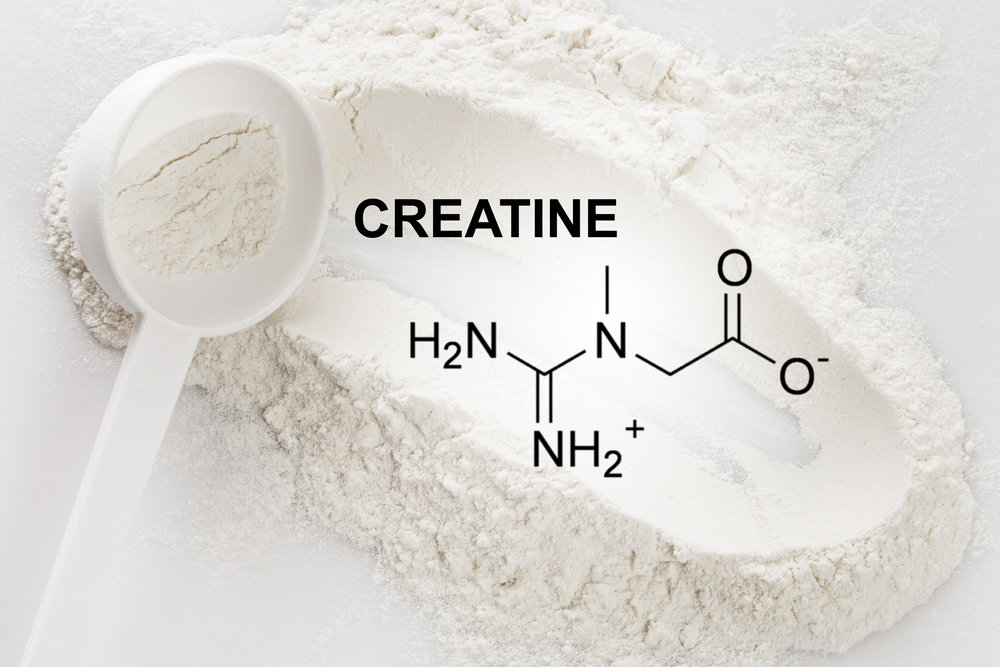
Creatine is one of the most researched supplements in sports nutrition history and, despite its reputation, one of the simplest. This is a no bullshit guide.
Found naturally in foods like red meat and seafood, creatine helps the body produce quick energy during short bursts of physical and mental effort. Your body already makes some on its own, and most people already store creatine naturally in their muscles. Supplementation simply helps increase those stores further. That’s it. Nothing tricky. Nothing magical.
For decades, creatine was associated almost entirely with bodybuilders and elite athletes because if you can push a bit harder, you can get a bit bigger. But modern research has pushed it far beyond gym culture. Today, creatine is used by everyone from recreational runners and Hyrox competitors to ageing athletes, shift workers and active adults looking to maintain strength, recovery and cognitive sharpness as they get older.

Part of the reason is the science itself. Few supplements have been studied as heavily or for as long. The list of research is comically long. and it has consistently linked creatine supplementation to improvements in strength, power output, muscle preservation and exercise recovery, while newer studies are also exploring its role in brain health, sleep deprivation and healthy ageing.
Importantly, creatine is not a stimulant. It does not work like a pre-workout, energy drink or fat burner. There is no sudden “hit”. Instead, it works gradually by helping support the body’s energy systems over time, which is why many people now take it daily as part of a long-term performance and recovery routine rather than a gym-only supplement.
What Creatine Actually Does
Creatine is a naturally occurring compound stored mostly in muscle tissue. Your body already makes some of it, and you also get small amounts through foods like red meat and fish.
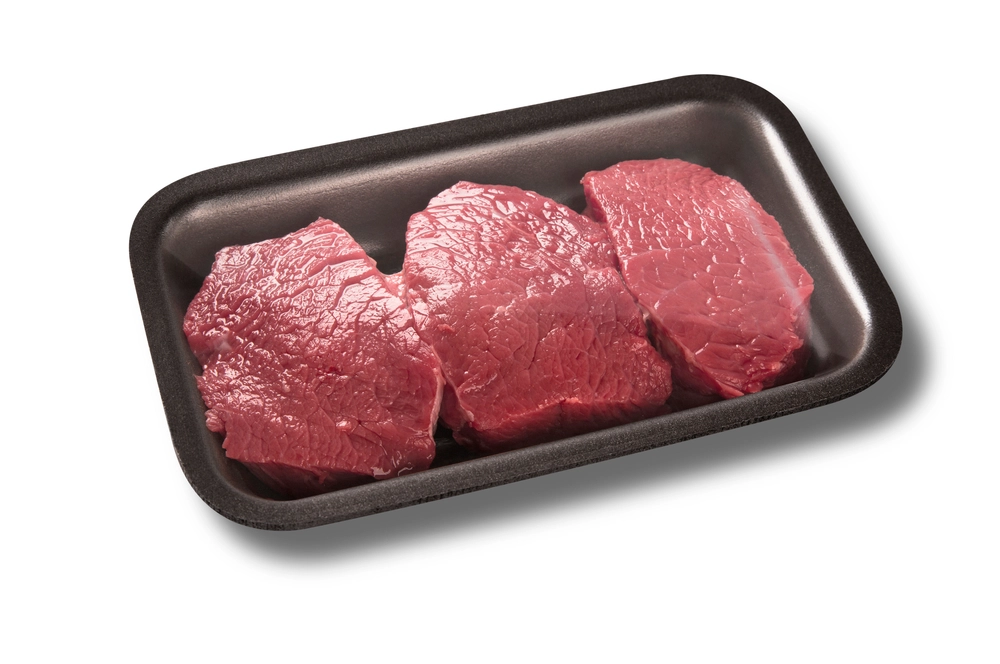
Its main role is helping produce quick energy during short, hard efforts. Lifting weights. Sprinting. Climbing hills. Grinding through a final set you probably should have stopped two reps earlier. Supplementing with creatine helps replenish those energy stores more efficiently.
That’s the scientific explanation. The practical one is simpler: many people feel stronger, recover better and maintain performance more consistently when taking it regularly. Which starts to matter more once recovery stops being automatic.
Why Creatine Hits Different After 40
In your twenties, you can survive on takeaway food, four hours sleep and blind optimism for a surprisingly long time. By your forties, the bill arrives.
Training still works — often extremely well — but recovery becomes the thing that determines whether you can keep doing it week after week.
That’s partly why creatine has found a second life among older athletes and everyday active men. Not because they suddenly want to look younger, but because they’re trying to preserve things that naturally get harder to hold onto, strength and muscle mass and all the wonderful things that come with having a working male body.

There’s also growing research around creatine’s potential role in cognitive performance and mental fatigue, which has expanded the conversation well beyond bodybuilding. It’s no longer viewed purely as a “gym supplement”. It’s increasingly seen as part of a broader performance-and-longevity toolkit.
Does Creatine Actually Work?
Few supplements survive decades in the fitness industry unless they genuinely do something useful. Creatine has survived all of them. Despite endless trends, miracle powders and influencers screaming into ring lights, creatine remains one of the most researched sports supplements in the world.
Research has consistently linked it with improvements in:
- strength
- repeated sprint performance
- lean muscle retention
- recovery between high-intensity efforts
- power output
That does not mean it’s magic. Creatine will not compensate for terrible sleep, inconsistent training or a diet built entirely around servo pies and optimism. But it can help support the work you’re already doing. That distinction matters. The men getting the most from creatine are usually the ones already showing up consistently.
It’s Not Just for Lifters Anymore
The stereotype around creatine still lags about 15 years behind reality. A lot of people still picture huge bodybuilders carrying around shaker bottles the size of small fuel tanks. In reality, modern training culture has become far more blended.
Men are lifting weights while training for marathons. Running clubs are full of former rugby players. HYROX has turned half the country into hybrid athletes with sore hips and expensive watches. And many of them are taking creatine.
Not necessarily to get bigger, but to support:
- recovery
- repeated hard efforts
- training volume
- muscle preservation alongside endurance work
The modern training week is strange now. Someone might deadlift Tuesday, do hill sprints Thursday and spend Saturday morning in a sauna discussing sleep metrics with alarming seriousness. Creatine fits surprisingly well into that world.
What About Hair Loss?
This remains one of the internet’s favourite fitness arguments.
The concern mostly traces back to a small 2009 rugby study that observed increased DHT levels after creatine supplementation. DHT is associated with male pattern baldness. What the study did not show was actual hair loss. Since then, there has been no strong evidence directly linking creatine to hair loss in healthy adults.
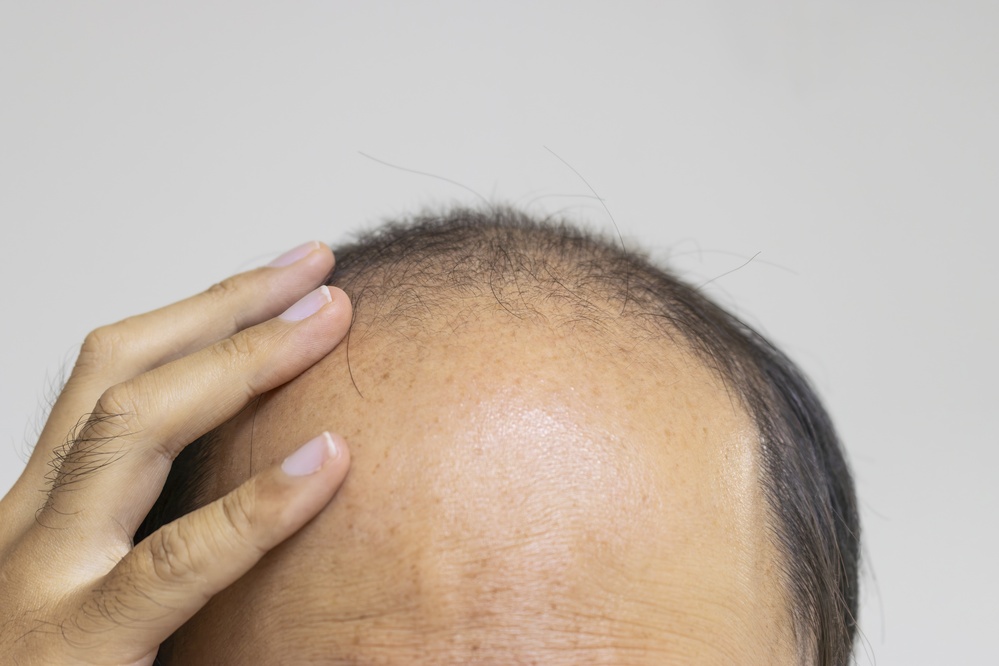
That probably won’t stop the debate any time soon, particularly among men already suspiciously examining their hairline under bathroom lighting. But the evidence itself remains limited.
Does Creatine Cause Bloating?
Sometimes, particularly during the early stages. Creatine helps draw water into muscle cells, which is part of how it works. For most people taking moderate daily doses, this looks less like “bloating” and more like slightly fuller muscle tissue.
A lot of the horror stories come from old-school loading phases where people were taking huge amounts in short periods. Most active adults do perfectly well on a steady daily intake.
Which Type Is Best?
Despite aggressive marketing around newer forms, creatine monohydrate remains the gold standard. Mostly because it works.
It’s:
- heavily researched
- affordable
- effective
- generally well tolerated
That’s not particularly exciting copy for supplement companies, which is why the industry keeps trying to reinvent it. But sometimes the boring answer is the correct one.
How Much Should You Take?
For most active adults, around 3–5 grams daily is the standard recommendation. You do not necessarily need a loading phase. And despite the internet’s obsession with perfect timing, consistency matters far more than whether you take it at exactly 7:14am beside a banana. Most men over 40 are no longer interested in carrying six supplements to work in little plastic containers. They want simple routines they’ll actually stick to.
So whether that’s:
- after training
- with breakfast
- mixed into a recovery drink
- or whenever you remember
…the best routine is usually the sustainable one.