
Fitness apps and AI-driven coaches promise to know your body better than you do. They track macros, count steps and spit out workout plans in seconds. But can an algorithm replace the accountability of a real human? A recent study of over 65,000 users of the HealthifyMe app says no. Men who used hybrid AI coaching with a human coach lost 74% more weight over three months than those using AI alone. Before you throw your phone out, understand that the difference was still modest – about 2 kg versus 1.2 kg – but the numbers tell a story: having another person in your corner matters.
The Rise of AI Coaching
AI has infiltrated nearly every aspect of fitness. Chatbots build meal plans, algorithms adjust your workouts based on readiness scores, and wearables spit back data to keep you honest. The promise is seductive: personalised advice, 24/7 support and cost savings compared with hiring a personal trainer. But technology, no matter how sophisticated, doesn’t have skin in the game like a real coach. It can’t look you in the eye and ask why you skipped that session, nor can it adapt to your shifting motivation or life circumstances like a seasoned trainer can.
What the Study Found
Researchers analysed weight‑loss data from 65,000 HealthifyMe users over three months. Participants either used the app’s AI coach alone or paired it with sessions from a human nutritionist or fitness coach. The hybrid group lost an average of 2 kg, while the AI‑only group shed about 1.2 kg – a 74% difference in relative terms. Hybrid users logged meals twice as often, set more ambitious targets and stuck with the program longer. In short, having a human to answer to made them more accountable and engaged.
Why Human Coaches Still Matter
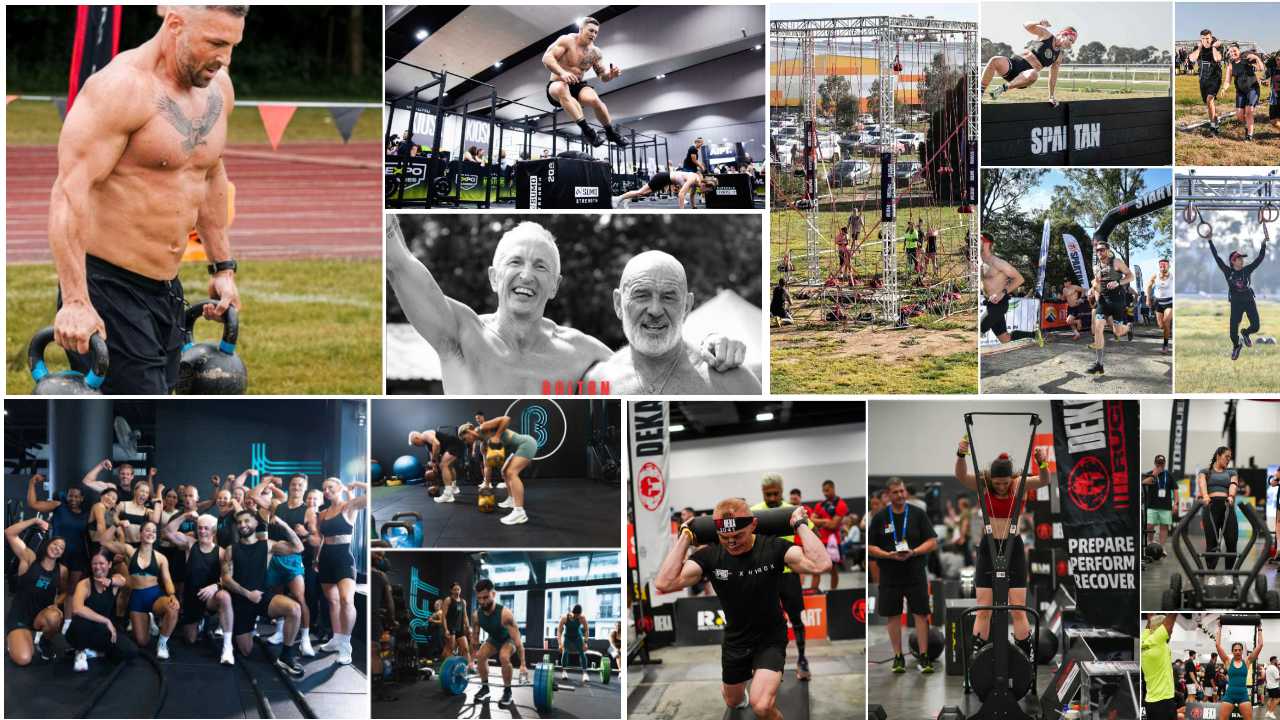
A good coach does more than tell you what to eat or how to lift. He listens, empathises and adjusts your plan when life throws curveballs. Accountability isn’t about guilt; it’s about support. It’s easier to blow off an app than to ignore a message from a human who invested time in your progress. Coaches also offer nuance that algorithms can’t: they notice when stress, sleep or work pressures derail progress and tweak your program accordingly. The study noted that hybrid coaching was particularly beneficial for older men and those starting with lower body‑mass indices – people who might need more guidance and reassurance.
Setting Realistic Expectations
To be clear, the absolute weight‑loss difference was small. Losing 2 kg instead of 1.2 kg over three months isn’t a miracle. But it shows that some human involvement keeps you on track. If you’re the self‑motivated type, an AI coach might be enough. If you struggle to stay consistent or feel overwhelmed by conflicting advice, consider investing in a professional – even if it’s just for periodic check-ins. Like everything, a hybrid approach probably offers the best of both worlds: data‑driven precision from technology and the empathy and accountability of a person.
The Future
Hybrid AI coaching is a game changer but weight loss still comes down to old‑fashioned consistency, honest food logging and moving your body. A human coach can nudge you when motivation dips, but you still have to do the work. If you decide to enlist human help, choose someone who aligns with your goals and values. And don’t expect miracles; a few extra kilos lost is nice, but building sustainable habits is the real prize. In the end, you’re the captain – AI and humans are just part of your crew.