
Key Takeaways
- Wearing a weighted vest while moving may protect bone health, especially during weight loss.
- Bones respond to stress, so adding load through activities like walking with a vest can maintain bone density.
- A study found that participants only benefited from a weighted vest while standing and moving, highlighting the importance of movement.
- Rucking, or walking with a loaded pack, provides effective conditioning and has gained popularity in fitness circles.
- For safe use, beginners should start with a vest weighing 5-10% of their body weight while walking, hiking, or doing bodyweight workouts.
Strapping a 16-kilogram weighted vest onto grandad and sending him off for a march probably isn’t the medical advice anyone wants to hear. But the principle behind it might not be as crazy as it sounds.
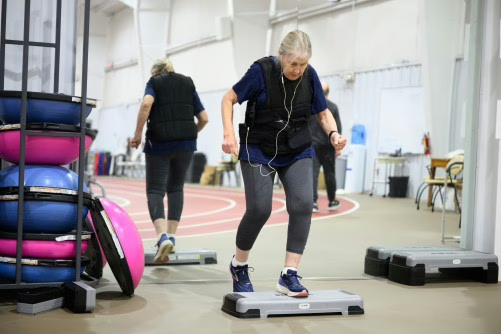
New research suggests that wearing a weighted vest during everyday movement could help protect bone health, especially as people age or lose weight. The key detail, though, is this: the vest only seemed to help when people were actually moving. In other words, it’s not the vest that matters. It’s the load. And humans have been carrying loads for a very long time.
Why bones need stress
Bones are not passive structures. They are living tissue that constantly remodels itself in response to stress. When muscles pull on bone during movement or when the skeleton absorbs force, specialised bone cells detect the strain and respond by strengthening the structure. It’s one of the reasons weight training is so effective for maintaining bone density. Bet you didn’t know you were growing your bones on the last curl, did you?
Anyway, remove that stress, however, and bones start to weaken. That’s one of the hidden problems with aging and weight loss. As body weight drops, so does the mechanical load on the skeleton. Less load means less stimulus to maintain bone strength. That’s where the weighted vest idea comes in.
The study: replacing lost body weight
Researchers at Wake Forest University looked at whether replacing lost body weight with a weighted vest could help maintain bone density during weight loss.
Participants in the study were given vests designed to gradually replace the weight they were losing during a weight-loss program. The idea was simple: if body weight drops, the vest replaces some of that mechanical load.
But the researchers noticed something interesting. The benefits appeared only when participants were standing and moving while wearing the vest, not when they were sitting around. Which makes perfect sense when you think about how bone adapts. Bone responds to movement and force, not just extra kilograms hanging off your shoulders.
“If we’re going to put vests on people, we need them moving,” one of the researchers noted.
The rucking connection
If the idea of walking around with weight on your back sounds familiar, that’s because soldiers have been doing it forever. Military load carriage, often called rucking, is essentially walking long distances with a weighted pack. Infantry soldiers regularly carry 20 to 40 kilograms over rough terrain. It’s brutally effective conditioning.
Rucking loads the skeleton, works the legs and core, raises heart rate, and builds serious work capacity. It’s one of the reasons military personnel often maintain strong bone density despite punishing training schedules. Recently, rucking has started spilling into mainstream fitness.
You’ll now find walking clubs, endurance events, and even dedicated training programs built around the concept of loaded walking. And the appeal is obvious.
How to use a weighted vest safely
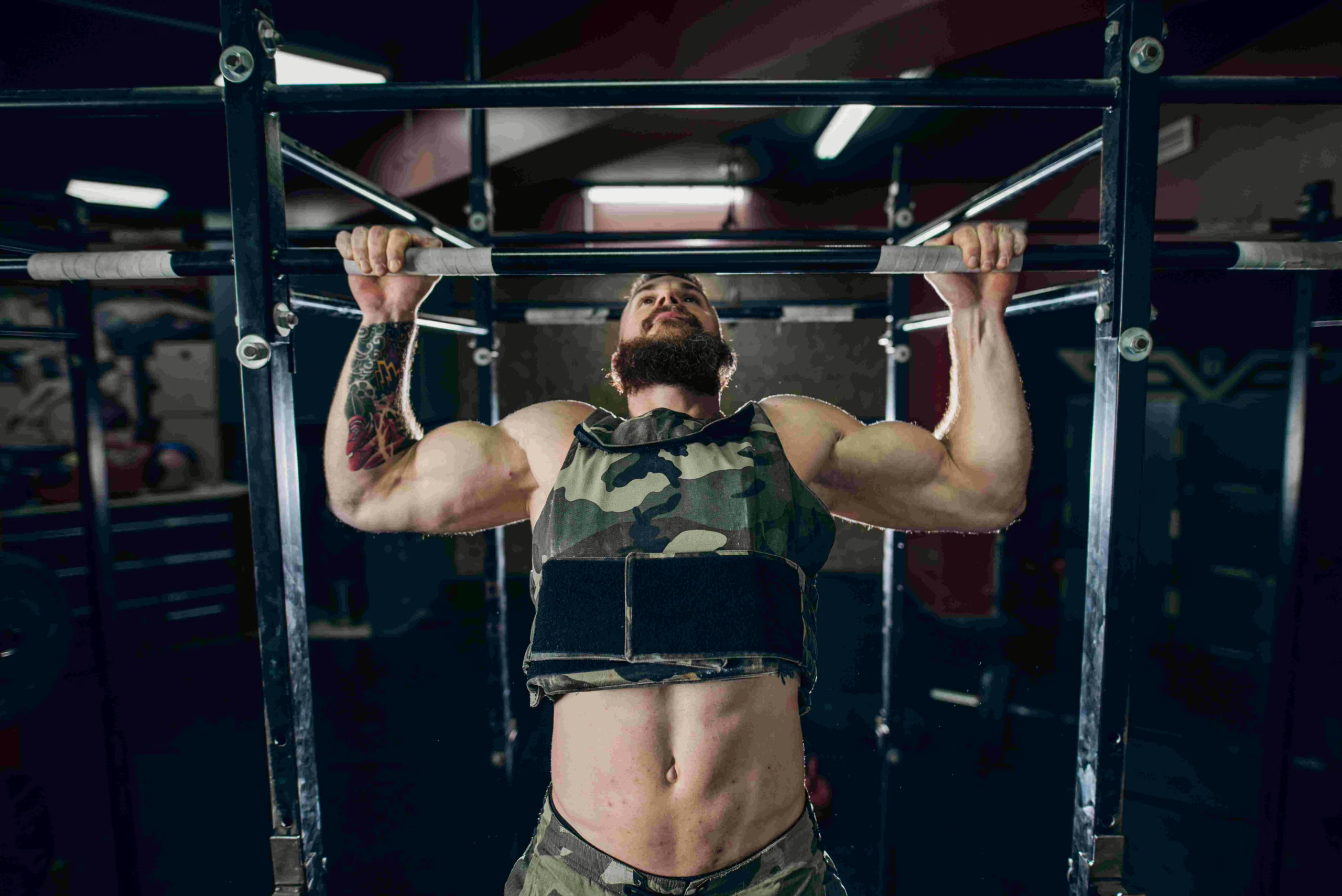
This isn’t an invitation to throw on a tactical vest and pretend you’re in special forces training. For most people, a modest load works best. A good starting point is around 5 to 10 percent of body weight. For an 80-kilogram man, that means roughly 4 to 8 kilograms.
Good ways to use it include:
• walking or hiking up and down hills
• climbing stairs
• bodyweight workouts
• longer low-intensity cardio sessions
Running with a heavy vest is usually unnecessary and can increase injury risk, especially for beginners. Like most training tools, the goal is not heroics. It’s consistency.
WEIGHTED VEST FAQs
A weighted vest increases the load on your body during movement. This makes muscles work harder and increases the mechanical stress on bones, which can help improve strength, endurance and bone health.
Research suggests that wearing a weighted vest during standing or walking activities may help stimulate bone maintenance by increasing the load placed on the skeleton.
Most beginners should start with about 5–10% of their body weight. For an 80 kg man, that means roughly 4–8 kg. The goal is to add moderate load without compromising posture or movement.
Walking with a weighted vest increases the training stimulus because your muscles and bones must handle extra load. This can make ordinary walking more effective for building strength and endurance.
Yes, as long as the load is moderate and you’re moving normally. Many people use weighted vests for walking, hiking, stairs or bodyweight exercises several times per week.
Not exactly. Rucking usually involves carrying weight in a backpack, while weighted vests distribute the load around the torso. Both add resistance to walking and can improve fitness and strength.