

November is Pancreatic Cancer Awareness Month, and the Pancare Foundation is urging Australians, especially men, yes, that means you, to take charge of their health and learn the warning signs of one of the country’s deadliest cancers.
Often called the silent killer, pancreatic cancer is difficult to detect early and shows few or no symptoms until it’s too late. With no national screening program and survival rates sitting at just 13%, awareness and early action are critical.
“Too many Australians hear the words ‘pancreatic cancer’ for the first time when it’s already advanced,” says Dr Mark Buzza, Head of Research, Innovation and Advocacy at Pancare Foundation. “We urgently need more education, research funding and early detection tools to change that.”
What is Pancreatic Cancer and Why is it So Bad
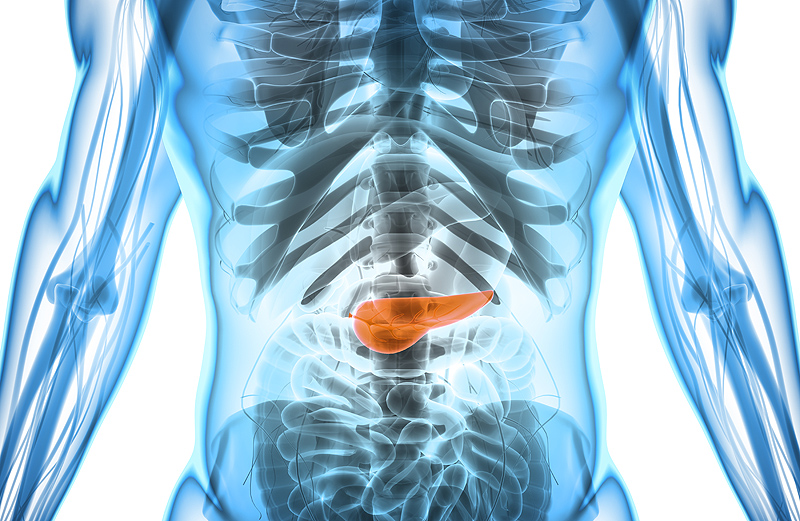
Pancreatic cancer is basically when rogue cells start growing uncontrollably in the pancreas — that’s the gland that sits behind your stomach and helps digest food and regulate blood sugar. Sounds pretty boring, right? Until it turns deadly.
Here’s the thing: pancreatic cancer is a real bastard because it’s sneaky. It doesn’t usually cause obvious symptoms until it’s already spread. No big lumps, no flashing signs. By the time you know something’s wrong — weight loss, stomach pain, yellowing skin — it’s often pretty far gone.
To make it worse, it’s tough to treat. Surgery is tricky (the pancreas is buried deep in your guts), and it doesn’t respond well to most chemo. That’s why survival rates are so low compared to other cancers. We’re talking single digits over five years in many cases. Grim stuff.
Why so aggressive? A few reasons:
- It spreads early and fast.
- It hides well — often mistaken for other digestive issues.
- And frankly, we haven’t cracked it yet. There’s no easy screening test like there is for breast or bowel cancer.
The takeaway? It’s one of the deadliest cancers because it doesn’t play fair. Still, catching it early — if you’re lucky — improves your odds, so don’t ignore weird symptoms. Especially if it runs in your family or you’ve got risk factors like smoking, obesity, or chronic pancreatitis.


Can I Do Anything to Reduce Risk or Get Checked?
Short answer: yeah, there are a few things you can do — but it’s not as simple as booking a routine scan.
First off, the bad news: there’s no standard screening test for pancreatic cancer, like there is for bowel or prostate cancer. It’s deep inside the body, hard to spot on imaging unless something’s already going wrong, and most people don’t get symptoms until it’s pretty far along.
But here’s what you can do to lower your risk:
- Quit smoking — biggest lifestyle risk factor, hands down.
- Watch your weight — obesity increases your risk.
- Eat less processed crap and more whole foods (veggies, fruit, whole grains, healthy fats).
- Ease up on the booze — heavy drinking can inflame the pancreas (pancreatitis), which over time can up your risk.
- Exercise regularly — helps with weight, insulin sensitivity, inflammation — all linked to lower cancer risk.
If pancreatic cancer runs in your family — like, a parent or sibling had it — talk to your GP. There are genetic tests and high-risk screening programs for people with a strong family history or certain gene mutations (like BRCA2 or Lynch syndrome).
Also: don’t ignore weird gut symptoms. Unexplained weight loss, pain in your upper stomach or back, yellowing skin or eyes, greasy stools — they could be nothing, or they could be something. Get them checked.
Bottom line: no silver bullet, but clean up your lifestyle, know your family history, and don’t sleep on early signs. When it comes to pancreatic cancer, sooner is always better.
Stay informed and spread the word. You can find out more about pancreatic cancer here: https://pancare.org.au/cancer/pancreatic-cancer/.