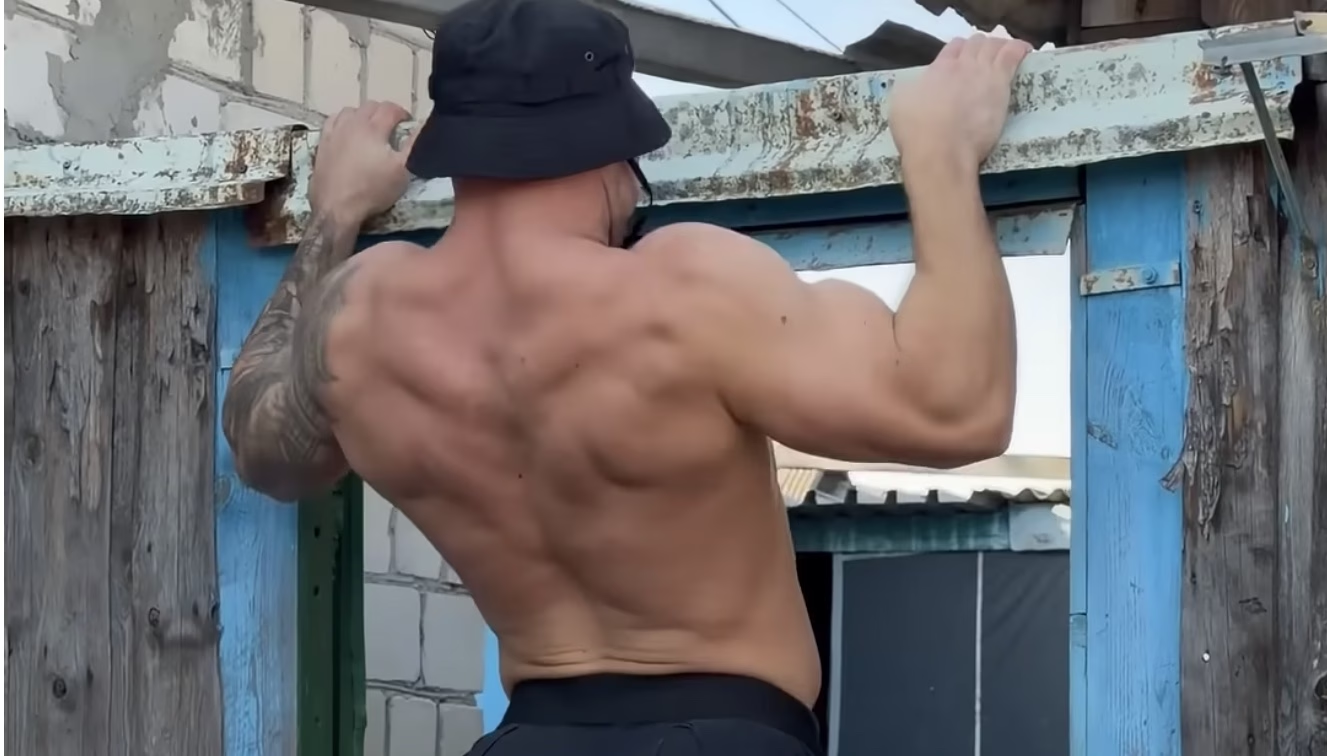
He shadowboxes underwater, deadlifts truck tyres, trains with logs in the forest and recreates Jackie Chan stunts while holding cups of tea. But Ivan Yaroslavtsev (@ivan_yaroslavtsev_strong) isn’t just another shredded influencer chasing views and likes. He’s a black-belt karate champion, former national-level fighter and elite CrossFit competitor whose strange, cinematic workouts have attracted millions of views. Where most influencers chase aesthetics, Ivan chases self mastery.
Openly autistic, Ivan Yaroslavtsev credits training’s repetition, structure and discipline with helping him turn inward focus into an extraordinary athletic career. Outside Eastern Europe, few people know his name. That may not last much longer.
Meet the biggest fitness star you’ve never heard of. For now.

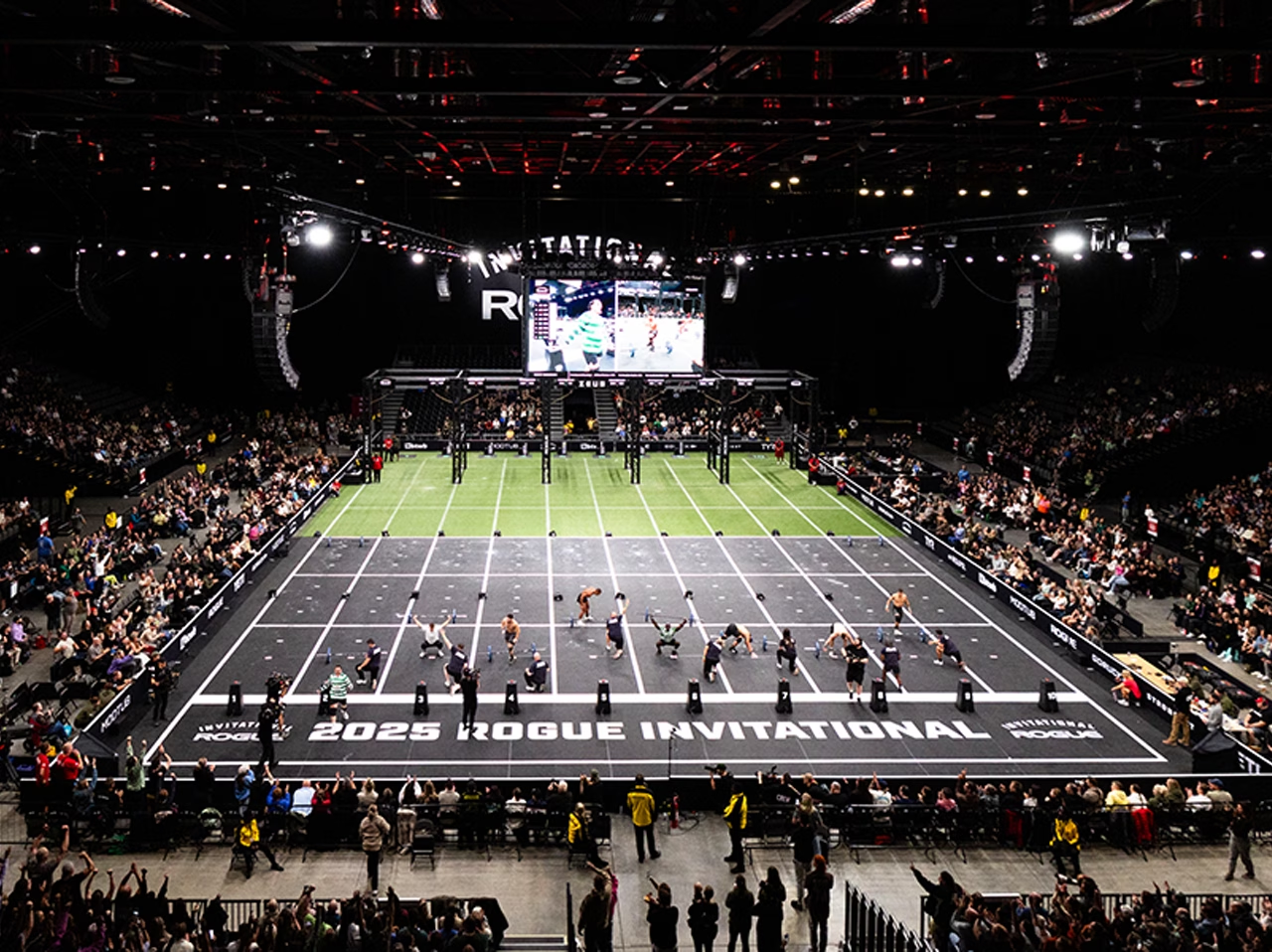
In his thirties, he’s already lived more athletic lives than most men squeeze into one. He’s fought full-contact karate bouts, including a televised appearance at the Belarusian Fight Championship. When he moved to Yekaterinburg, he didn’t trade his gloves for a selfie stick — he built a coaching career and took his new obsession, CrossFit, to the top. Within a few years he was standing on podiums at events like the Siberian Power Show and the Ural Athletic Challenge. He even flew to Miami to test himself at Wodapalooza, one of the biggest CrossFit competitions on the planet. The guy’s basically a one-man decathlon of pain tolerance.

But what sets Yaroslavtsev apart isn’t just what he can lift — it’s how he does it. His social media feeds look like they were directed by an action choreographer. He trains with logs in the forest. He shadowboxes underwater for four minutes at a time. He recreates stunts from Jackie Chan and Jean-Claude Van Damme films. One video shows him deadlifting truck tyres with the intensity of a man possessed. Another has him doing near vertical incline bench while holding tea cups full of water, a Jackie Chan act. It’s wild, weird, and impossible to scroll past.

That unpredictability is his signature. In a world of copy-paste “10-minute ab” videos, Ivan’s clips hit differently. They’re part training, part art, part defiance. His motto says it all: “I’ve learned more from defeats than victories.” It’s not bravado — it’s lived truth. The man’s been punched in the face more times than your average influencer’s had green smoothies.
Then there’s the autism factor. Ivan Yaroslavtsev doesn’t hide it, doesn’t sugar-coat it. He talks about how growing up with communication challenges made him turn inward — into the repetition, the rhythm, the structure of training. Where others saw limitation, he found focus. These days, he uses his platform to help parents of autistic kids understand what’s possible. It’s not performative virtue signalling — it’s raw honesty.

Scroll through his socials and you’ll see why he’s quietly become one of the most recognisable faces in Russian fitness. Some of his videos have pulled 20 million views. He’s got more followers than many sponsored athletes, but he still trains like a local underdog. No entourage, no filters, just a ripped bloke in a bucket hat grinding it out in the woods.

For Western audiences, Ivan Yaroslavtsev is the biggest fitness star you’ve never heard of. But maybe that’s about to change. He’s proof that you don’t need English captions or a global PR machine to inspire millions — just relentless passion, ridiculous work ethic, and the courage to stay weird in a world obsessed with normal.
Channel Your Inner Fighter
- Mix Disciplines: Combine strength, endurance, and skill. Ivan switches between karate, CrossFit, and bodyweight work to keep his body guessing.
- Train Outdoors: Forget the perfect gym setup. Logs, tyres, and uneven ground build real-world strength — and mental grit.
- Breathe Deep: Try breath-hold drills or slow nasal breathing under stress. Ivan’s four-minute underwater sessions aren’t for beginners, but learning to control your breathing changes everything.
- Don’t Fear the Weird: If it feels a bit mad but makes you stronger, do it. Creativity keeps training fun and builds resilience.
- Win or Learn: As Ivan says, “I’ve learned more from defeats than victories.” Track failures like trophies — they’re proof you’re pushing limits.