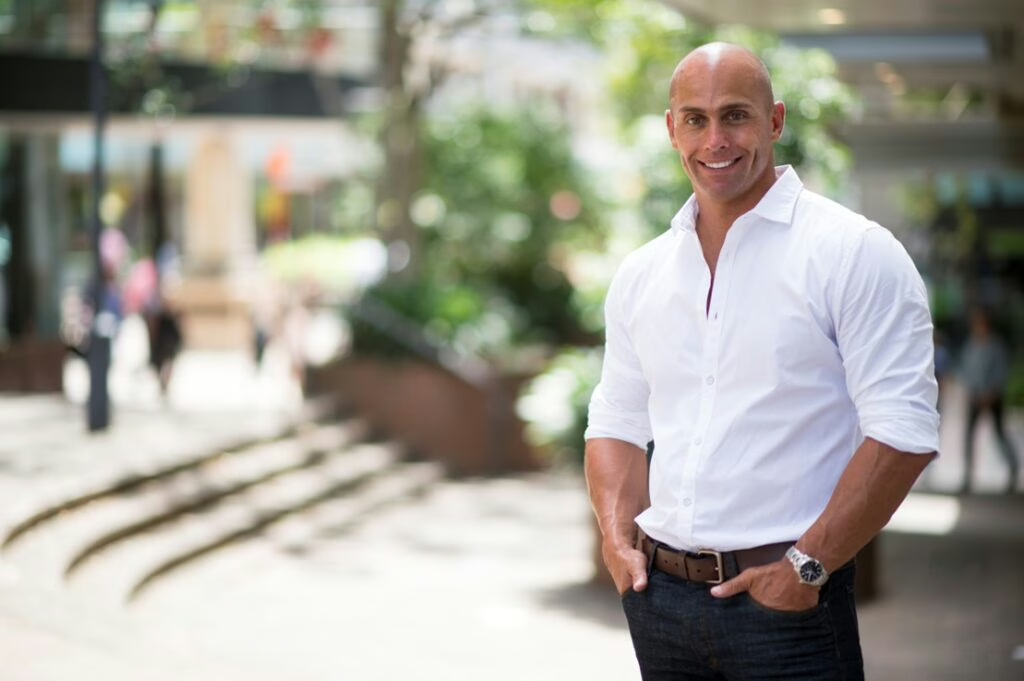
Scott Capelin has spent more than 25 years in the fitness industry, building everything from large commercial gyms to smaller boutique studios. But the business behind his latest venture, inLIFE Wellness, was shaped as much by failure as success.
Today, inLIFE Wellness operates 52 studios across Australia and the United States, with another 16 locations confirmed to open by September. Plans are also reportedly in place to push beyond 200 studios over the next two years — rapid growth for a business that only launched in 2019.
What makes the story interesting isn’t simply the expansion. It’s the fact the model was built after Capelin experienced the collapse of an earlier luxury gym business that forced him to completely rethink what actually works in fitness.
At the time, the old model looked impressive from the outside: premium facilities, expensive fit-outs and the kind of high-end atmosphere the fitness industry chased aggressively throughout the 2010s. But the economics behind those large commercial spaces proved far tougher than many operators expected.
As reported by SmartCompany, Capelin lost everything, including his house, after the collapse of his previous luxury gym business. Reflecting on the experience, he said the failure fundamentally changed how he thought about fitness operations, profitability and long-term sustainability.
“That was the catalyst for me to really understand ROI,” Capelin told SmartCompany.
That lesson appears to sit at the centre of inLIFE Wellness.
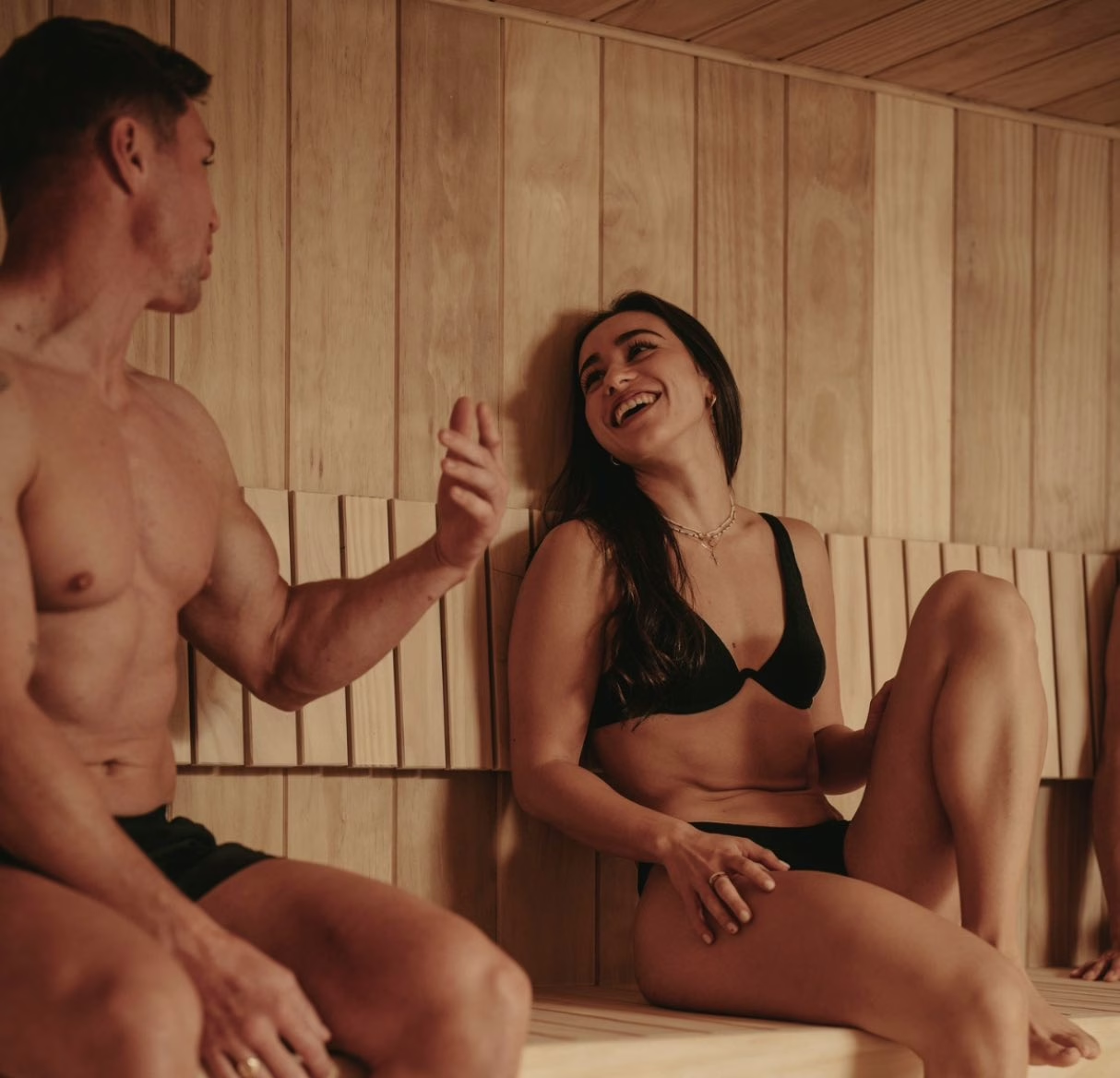
Instead of giant facilities packed with massive overheads, the business focuses on smaller-format wellness studios built around Reformer Pilates, strength, cardio and recovery-based training. The company also operates on a flat franchise fee model rather than taking a percentage of revenue, which Capelin says allows studio operators greater clarity around profitability and growth.
And in many ways, the concept has arrived at exactly the right time.
The fitness industry has undergone a major shift over the past five years. While traditional gyms remain popular, more consumers are moving toward training environments that feel more sustainable, approachable and community-driven. Mobility, recovery and longevity have become bigger priorities, while intimidating “go hard or go home” gym culture has started to lose some of its shine.
That shift has helped fuel the rapid growth of Pilates and wellness-style studios globally, particularly among people looking for consistency rather than punishment-based training.
According to franchise material and industry reporting, many inLIFE studios operate with between 200 and 300 direct-debit members, with annual revenue figures typically sitting between $450,000 and $750,000 and profit margins claimed to range between 30 and 35 per cent. The company also says much of its expansion has come from existing members and instructors opening their own studios — a sign the community side of the business may be resonating as strongly as the workouts themselves.
Capelin told SmartCompany that one of the biggest lessons from his earlier business failure was understanding that members ultimately value connection and consistency more than flashy facilities.
“We’re trying to create the Cheers of fitness,” he said, referring to the classic TV sitcom where “everybody knows your name”.
That community element is increasingly important in modern fitness.
Many people no longer want giant anonymous gyms where they train alone with headphones on before disappearing straight back out the door. Smaller studios often offer something different: familiarity, accountability and a sense of belonging alongside exercise.
The irony is that the hardest period of Capelin’s business career may ultimately have helped shape a model better suited to where the fitness industry was already heading.
The old commercial gym approach relied heavily on scale, image and expensive infrastructure. The newer wellness model is built more around retention, recurring memberships and long-term member habits. One prioritised spectacle. The other quietly prioritises sustainability.
There is a broader lesson in that for both fitness operators and everyday gym-goers.
In business and training alike, bigger is not always better. Sometimes the strongest model is simply the one people can realistically sustain long term.