

Ever heard the old expression that you only get a certain number of heartbeats? It turns out there’s some truth to that. A new study of elite cyclists suggests that even the fittest of us can push our tickers too hard. The researchers coined the term “heartbeat consumption” – essentially, the idea that if you chew through too many beats during high intensity training, the benefit of a low resting heart rate could be negated. For a bloke whose training plan reads like a Tour de France stage sheet, that’s a sobering thought. It’s a reminder that fitness isn’t just about how far you can push yourself; it’s about how well you recover.
What Is Heartbeat Consumption?
The concept comes from a study that tracked the 24-hour heart rate data of pro cyclists. Off the bike, their hearts beat slower than yours or mine – as low as 68 beats per minute on average. Over the course of a day, that adds up to around 11,500 fewer beats than a typical non-athlete. But once the racing starts, those savings are blown out of the water. During a multi stage race, each stage added roughly 35,000 extra heartbeats to an athlete’s daily tally. In other words, intense racing or high intensity interval sessions might be consuming your heart’s “savings”.
Why Pushing Hard Isn’t Always Better
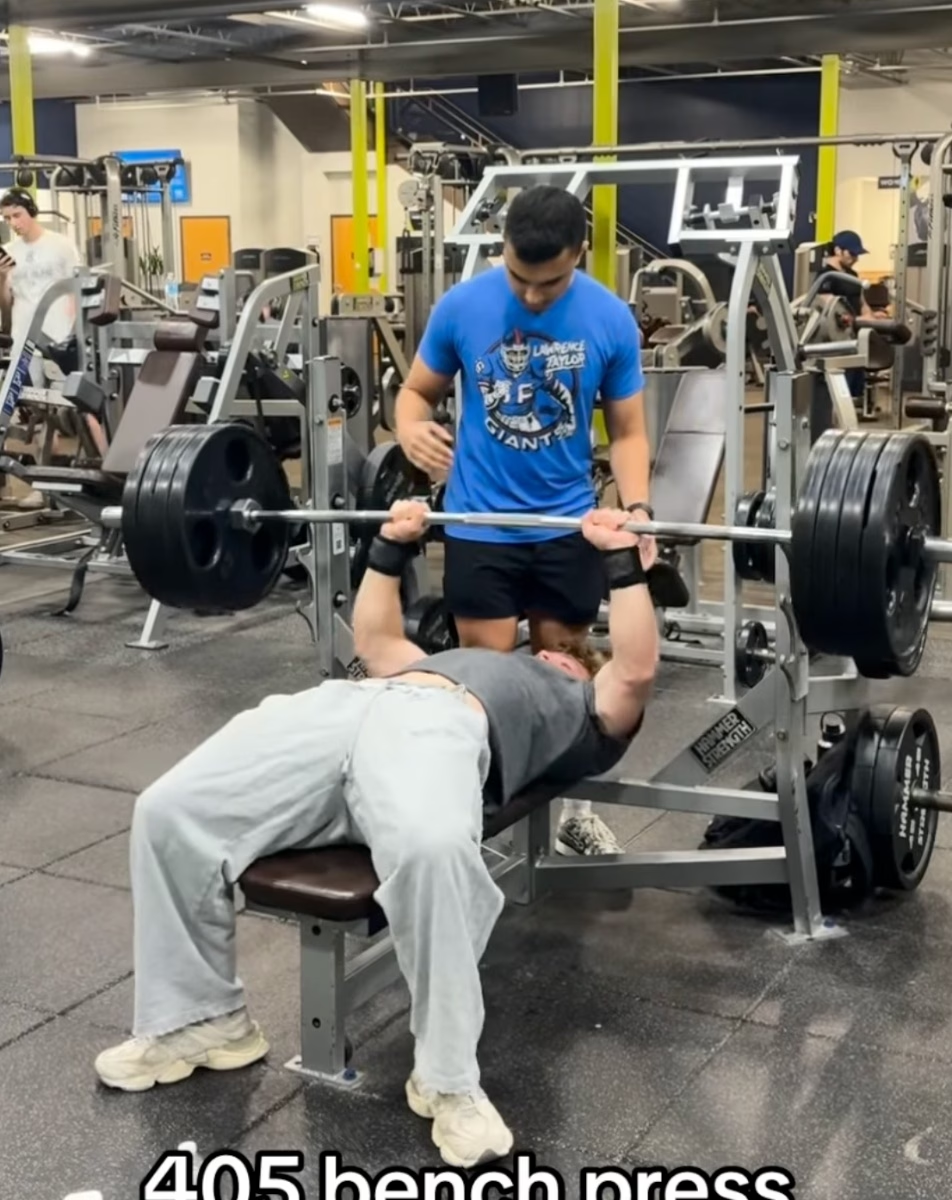
This doesn’t mean you should give up on training, but it does challenge the “no days off” mantra. Training stimulates your body to adapt; rest is when the magic happens. Overtraining kicks your sympathetic nervous system into overdrive, jacking up resting heart rates, messing with your sleep and leaving you wired but tired. Continuously running on high-octane sessions without adequate recovery can wear down your heart muscle and vascular system. It can also spike stress hormones and raise inflammation levels, which, over time, increase cardiovascular risk. Balance is key: alternate hard days with easy rides, weight sessions with mobility work.
Using Wearables to Monitor Load
The good news is you don’t need a cardiology lab to track your beats. Modern smartwatches and chest straps can monitor your daily heart rate load. Check your resting heart rate each morning; if it’s creeping up, you might be flirting with fatigue. Pay attention to your heart rate variability (HRV); a low HRV signals stress. Track your average heart rate over a 24 hour period, not just during workouts. If you notice that your daily average is rising despite similar training, it’s time to rein in the intensity or add a rest day. Treat your heartbeat budget like your bank account: if you’re spending like crazy, you’ll eventually go broke.
The Takeaway
Fitness isn’t about thrashing yourself at every opportunity. It’s about training smart and giving your heart the respect it deserves. Next time you feel guilty about taking a day off, remember: rest isn’t a sign of weakness; it’s an investment in longevity. If you’re obsessed with your Strava numbers, cool – but also pay attention to your resting heart rate, HRV and how you feel. Listen to your body’s signals and allow recovery to do its job. After all, you only get so many heartbeats. Use them wisely.