Men’s Health Week 2026 arrives at a strange moment in Australia.
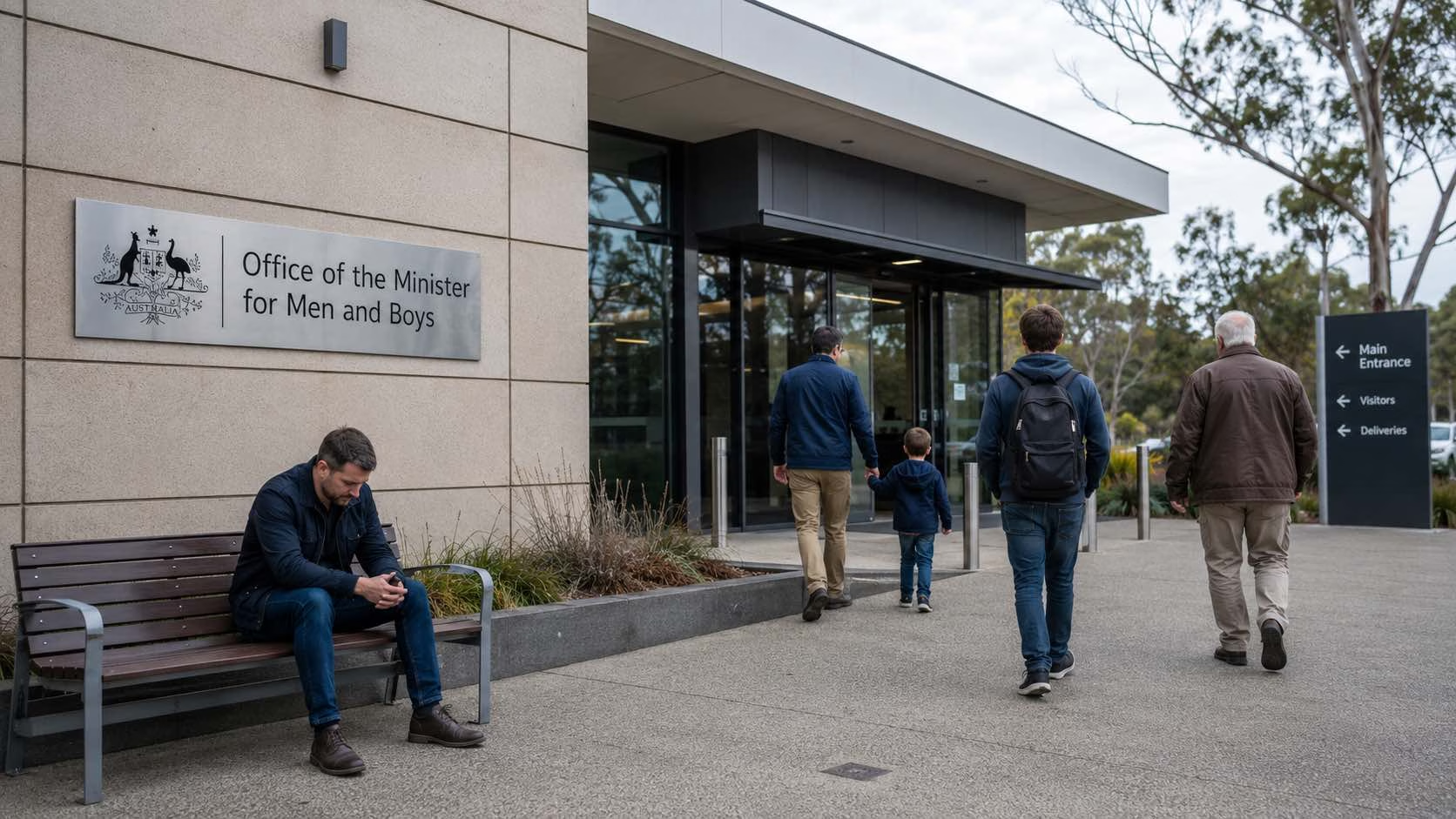
On one hand, there is finally some official recognition that boys and men need specific attention. Victoria recently appointed Australia’s first cabinet-level Minister for Men and Boys, with a dual focus on male wellbeing and the harm some men perpetrate. Monash Lens described the role as politically significant, but also warned it must be handled carefully, particularly around the influence of the manosphere, misogyny and violence against women.
That caution is understandable. Misogyny is real. Online radicalisation is real. Violence against women is real. Nobody serious should pretend otherwise.
But here is the problem: if every conversation about men begins with a warning label, men will stop listening.
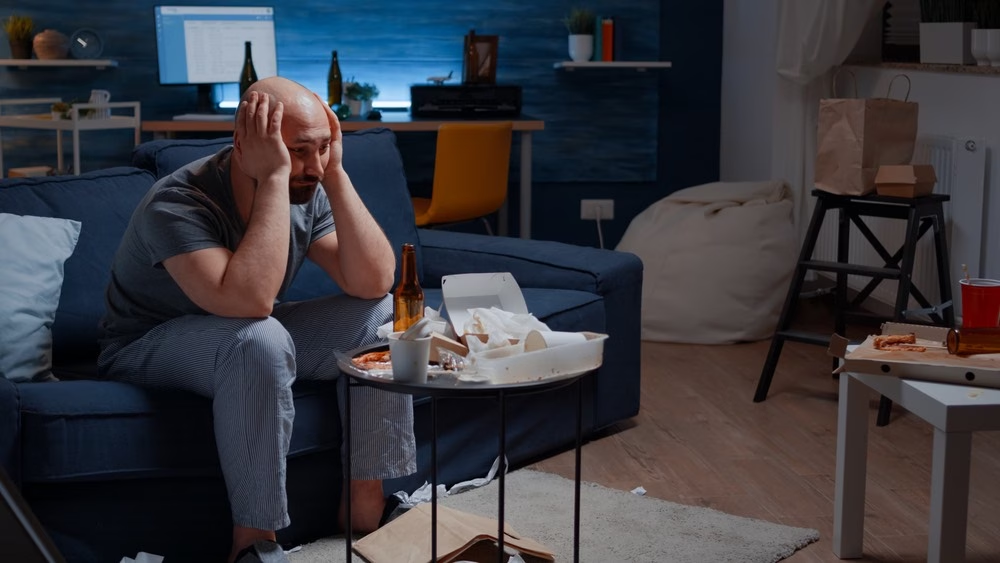
Men’s health cannot be treated as a suspicious subject. It cannot only be discussed through the lens of what men do wrong. It has to include what is happening to men: suicide, loneliness, homelessness, prison, family breakdown, preventable disease, disconnection from school, disconnection from work, and a reluctance to seek help until the wheels have fallen off.
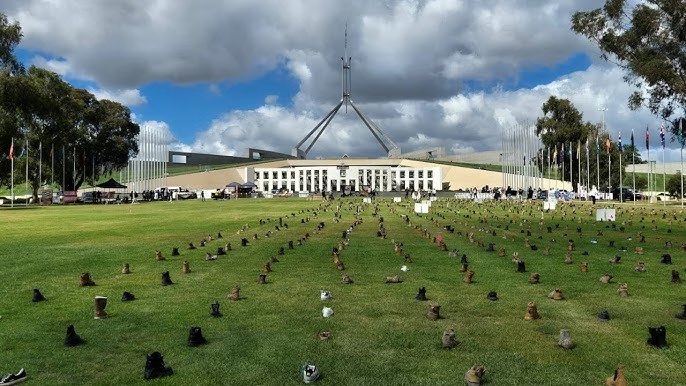
Each pair represents a man lost to suicide.
That does not take anything away from women. It does not minimise violence against women. It does not excuse bad behaviour. It simply says two things can be true at once. We can care about women’s safety and men’s mental health. We can challenge misogyny and still admit many boys feel lost. We can support mothers and fathers.
We can talk about domestic violence against women while also acknowledging male victims. We can build better men without treating masculinity itself as the disease.
That is where Men’s Health Week matters. It is not a culture-war slogan. It is a chance to talk plainly about men’s bodies, minds, habits, relationships and futures.
The danger is that the conversation gets captured by the extremes. On one side, angry online men who see every women’s issue as an attack. On the other, people who seem to believe helping men must always come second, or only be allowed if it is framed around protecting others from them. Neither is good enough.
Men need responsibility, yes. But they also need care, purpose, health checks, mates, fathers, mentors and places where asking for help is not treated like weakness.
Need help now?
If this story has raised anything for you, or you are worried about someone else, please reach out. You do not have to wait until things are at crisis point.
Lifeline Australia: 13 11 14 — 24-hour crisis support.
Suicide Call Back Service: 1300 659 467 — free counselling for people affected by suicide.
MensLine Australia: 1300 78 99 78 — support for men with mental health, relationship and family concerns.
Beyond Blue: 1300 22 4636 — mental health support and information.
If someone is in immediate danger, call 000.