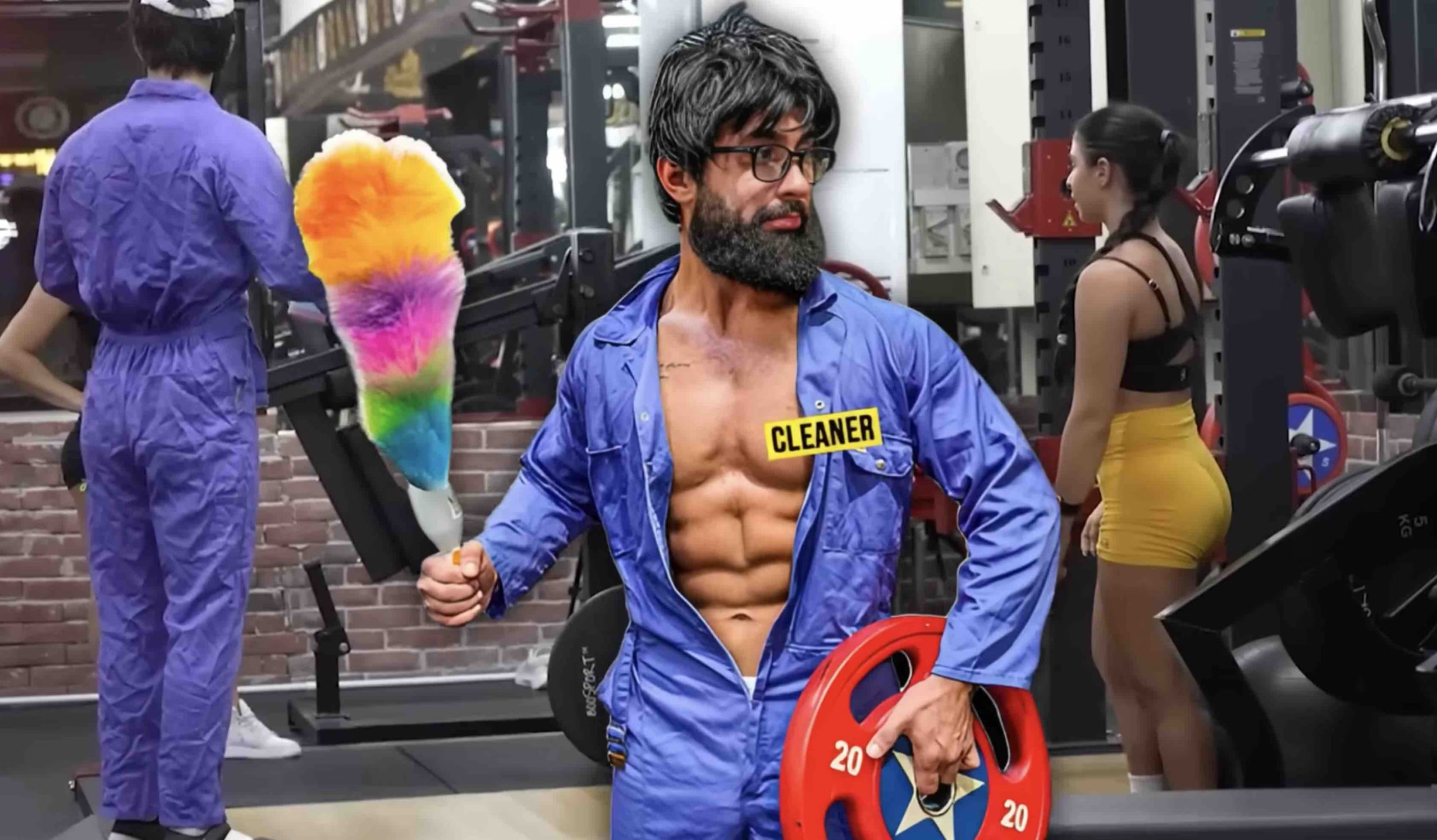
Anatoly, real name Vladimir Shmondenko, is not famous because he looks enormous. He is famous because he doesn’t.
The Ukrainian powerlifter and YouTube star built his name pretending to be a gym cleaner, then casually moving weights that bigger men struggle with. That is why so many people search the same thing: what does Anatoly actually eat?
The honest answer is that his exact current daily diet is not fully public. His official training site sells nutrition guidance and meal plans, including plans for different calorie targets, but it does not give away his complete day-to-day eating for free. His newer Anatoly Fit programme also promises personalised nutrition guidance, meal plans, supplement guidance and a “no strict rules” approach.
That already tells us something important. Anatoly’s diet is not being marketed as a magic food list. It is built around calories, protein, carbohydrates, fats and consistency. Boring? Maybe. Effective? Clearly.
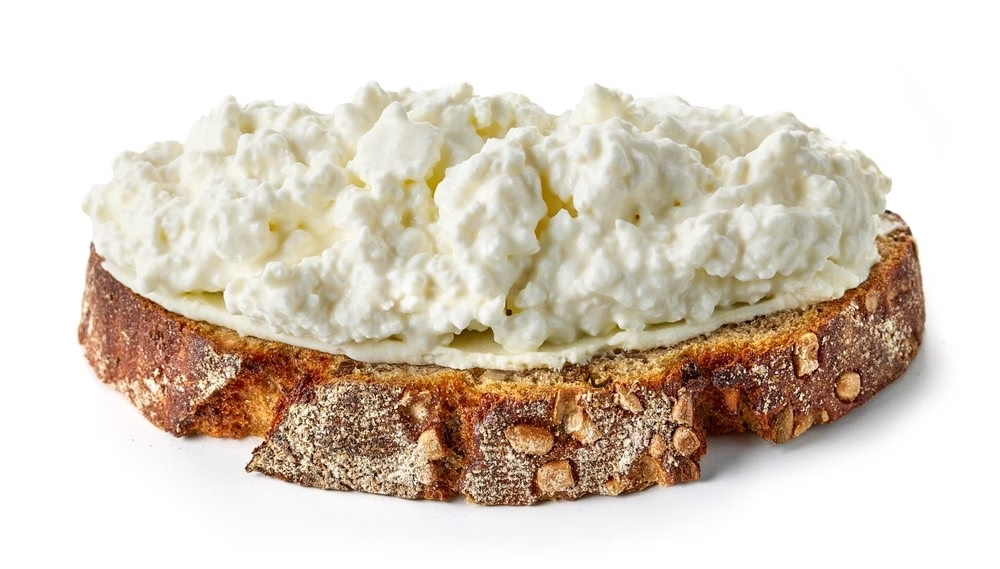
The best-known story from his early years is much more old-school. According to profiles of Shmondenko, he grew up in rural Ukraine and began training with homemade equipment made from wood, bricks and old tractor parts. As a teenager trying to gain muscle, he reportedly ate seven times a day, relying heavily on farm foods such as cottage cheese and eggs, and even took tubs of oatmeal to school.
That is a very different image from the usual influencer diet: no acai bowls, no imported powders, no chef-prepped meals. Just protein, carbs and enough food to support training.
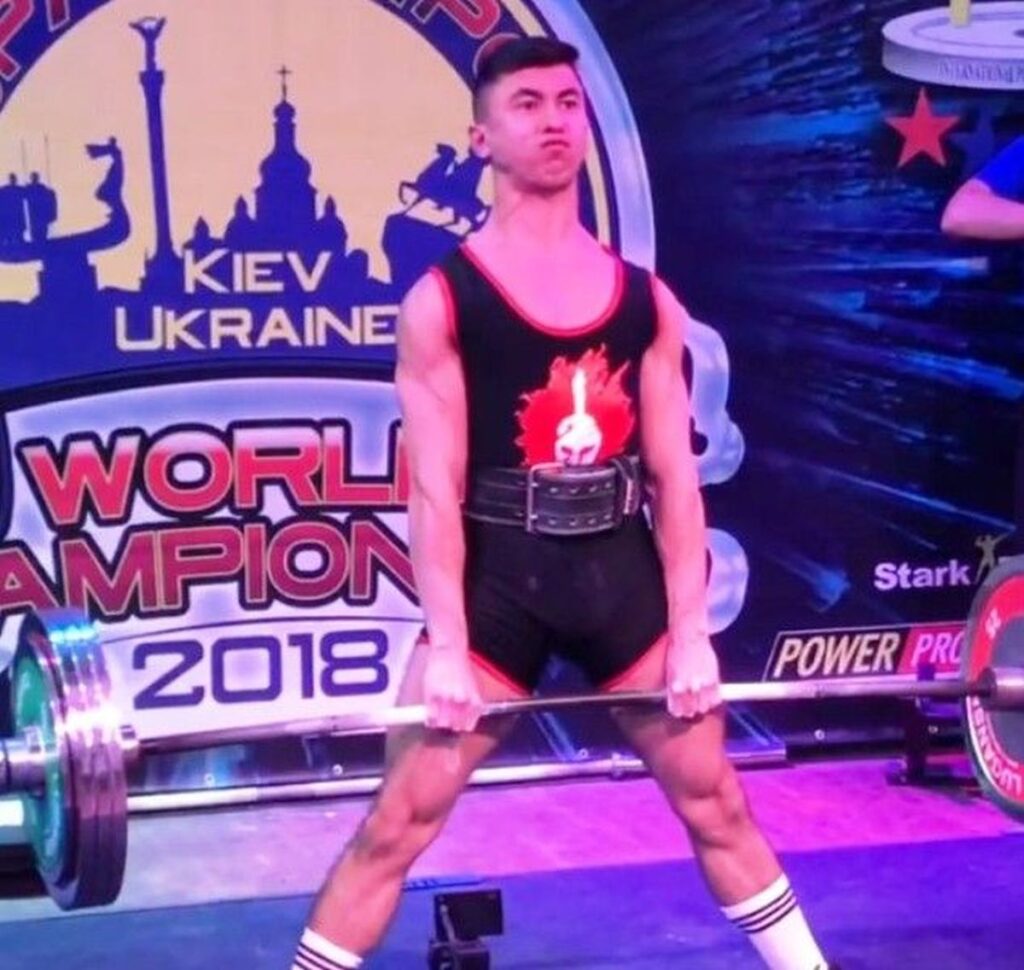
This matters because Anatoly’s strength is real. His OpenPowerlifting profile lists competition results from Ukraine, including big teenage lifts for his bodyweight. He was not just a bloke doing clever camera tricks. He had a powerlifting base before the cleaner character became famous.
So what would an Anatoly-style diet probably look like?
Think high protein at every meal: eggs, cottage cheese, meat, fish, dairy and possibly whey. Think simple carbohydrates: oats, rice, pasta, potatoes and bread. Think enough fats from whole foods: eggs, dairy, avocado, nuts, olive oil or fatty fish. And think meals organised around training rather than around looking “clean” on Instagram.
His own paid programme pages mention nutrition for gaining muscle, shredding and maintaining, which is a useful clue. Anatoly is not eating one fixed diet all year. Like most serious lifters, he likely adjusts food intake depending on whether the goal is strength, muscle gain or staying lean for content.
The takeaway for ordinary men is not to copy his exact breakfast. It is to copy the structure.
Eat enough protein. Eat enough carbs to train hard. Stop fearing basic foods like oats, eggs and dairy. Use supplements as extras, not foundations. And do not expect elite strength from a diet built around skipping meals.
Anatoly’s diet is interesting because it is probably less mysterious than people want it to be. The secret is not one food. It is years of strength training, enough calories to recover, high-protein staples, and the discipline to repeat the boring stuff long after the novelty wears off.
Diet Resources
Official Vladimir Shmondenko training programmes
Anatoly Fit programme
OpenPowerlifting profile
The Barbell profile on Anatoly
Older YouTube diet video: “MY DIET DAY ON MASS”


